
Alan Tudyk almost missed out on his Alan Tudyk Rogue One role because of a scheduling conflict, a decision that could have changed the film entirely. During an interview with Digital Spy, Tudyk shared that he was approached by director Gareth Edwards to play K-2SO, but the timing almost forced him to decline due to commitments filming the series Con Man.
Tudyk explained that when Edwards offered him the part in person, it felt unreal, yet he had to be honest about the potential clash. He told Edwards,
“I would love to say yes, but it is contingent on one thing. I can’t believe I’m saying this, but if you’re shooting in June, I have to say no – because that’s when we were shooting Con Man, and I couldn’t figure out how to reschedule it.”
How Tudyk Managed to Secure the Role Despite Conflicts
Fortunately, Tudyk’s filming schedule for Con Man ended prior to the start of Rogue One production, allowing him to commit without overlap. Most of Tudyk’s scenes were shot alongside Diego Luna and Felicity Jones, meaning he was not required on set until his previous engagement was concluded. This timing ultimately allowed Tudyk to take on one of his most recognizable sci-fi roles.
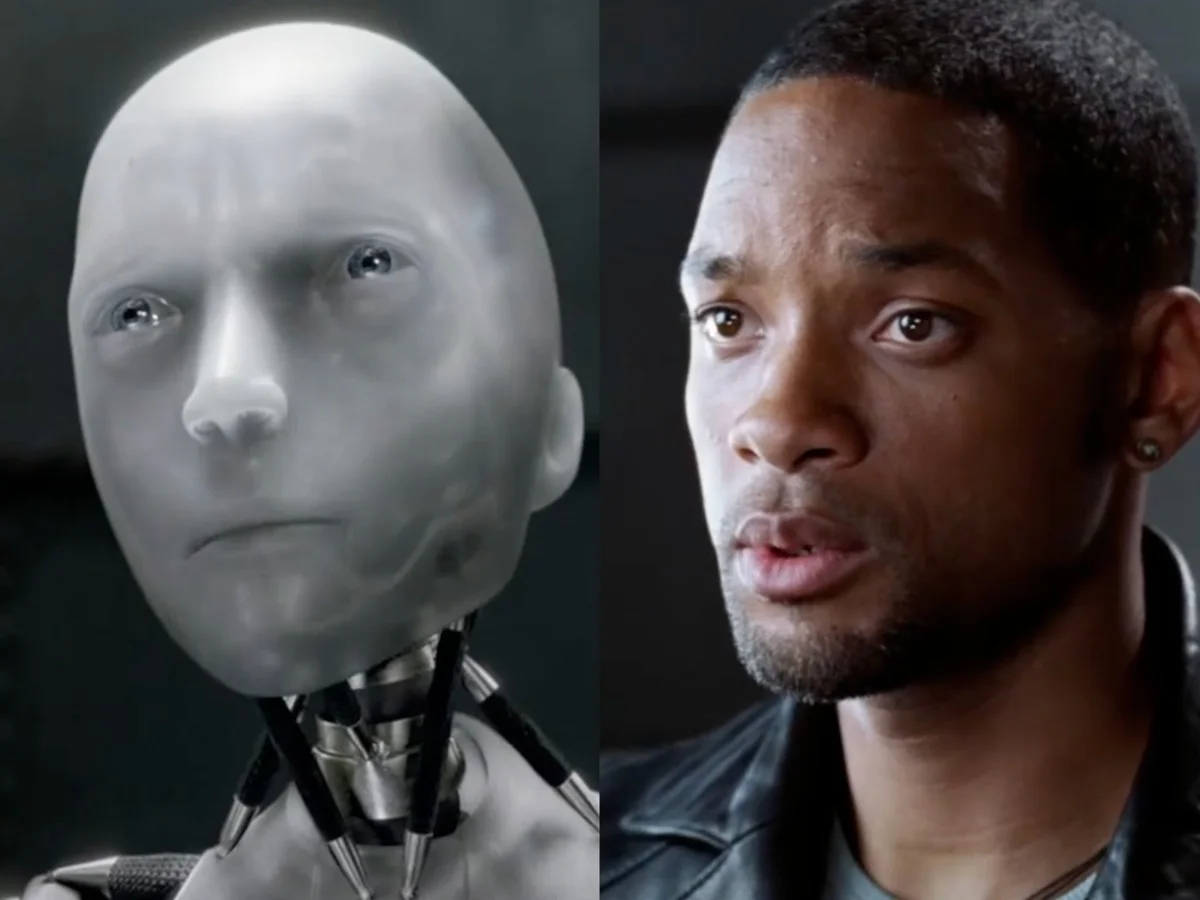
This incident was not the first time Tudyk encountered challenges related to motion capture and voice roles. He revealed on the ‘Toon’d In with Jim Cummings‘ podcast that years earlier, he was excluded from the promotional tour of the movie I, Robot after test screenings indicated he outperformed Will Smith, underscoring a history of complex professional situations related to his performances.
Reflecting on the Importance of His Star Wars Experience
Looking back, Tudyk expressed deep gratitude that he chose to participate in Rogue One, calling the experience exceptionally enjoyable despite its difficulties. He described it as
“more fun on a movie set than I’ve had in a very long time.”
The actor emphasized the positive dynamics he shared with fellow cast members Diego Luna and Felicity Jones, as well as the collaborative atmosphere fostered by director Gareth Edwards.
However, Tudyk also highlighted the physical challenges involved, particularly wearing the motion capture suit in adverse weather and managing demanding schedules. Despite these hardships, the excitement of being involved in a Star Wars project continually uplifted his spirits during tough days.
He recounted,
“There’s always those days that are really hard. You’re wet, you’re cold, it’s way early… there’s some interesting things when you’re on-set that can be challenging. But when you get into that moment of, ‘This is hard, this is terrible, I’m miserable’ and then you’re like, ‘Oh look, it’s Star Wars!’ and that feeling is immediately erased. It doesn’t last for a breath – you can’t even get it out without going, ‘But look over there! And look at that!’”
This constant reminder of the significance of the Star Wars universe kept Tudyk motivated even when faced with discomfort, reaffirming why accepting the role was ultimately worthwhile.
The Lasting Impact of Tudyk’s Role in Science Fiction
Alan Tudyk’s near decision to walk away from the Rogue One opportunity reflects the unpredictable nature of acting careers, especially when it involves complex filming schedules and high-profile franchises. His portrayal of K-2SO has become an iconic performance among fans and a defining moment in his body of work.
Had Tudyk declined due to timing issues, Rogue One would have lost a unique presence that blended humor and heart through a complex droid character. The experience evidently left a positive and lasting impression on Tudyk, who now recognizes how pivotal the role was for him personally and professionally.
Moving forward, Tudyk’s story highlights the importance of resilience and flexibility in the entertainment industry, particularly for actors navigating demanding roles within beloved franchises like Star Wars.
