
In 1973, the martial arts film Beach of the War Gods was released, starring Jimmy Wang Yu and produced by Golden Harvest, the studio famous for many of Jackie Chan and Bruce Lee’s films. This period piece is a reinterpretation of Akira Kurosawa’s celebrated Seven Samurai, but it is set in ancient China instead of Japan. The story follows a sword-wielding hero played by Wang Yu, who recruits five skilled warriors to protect a small fishing village from invading Japanese pirates.
The narrative builds toward a climactic battle lasting over thirty minutes, where the hero’s group defends the villagers in a sprawling and intense conflict. Jimmy Wang Yu not only stars but also wrote and directed the movie, crafting an epic blend of wuxia influences and samurai storytelling that delivers a visually striking and action-packed experience.
Quentin Tarantino’s Praise for Beach of the War Gods
During an episode of the Pure Cinema Podcast centered on Jimmy Wang Yu’s career, Quentin Tarantino lavishly praised Beach of the War Gods, emphasizing its status beyond the typical kung fu genre. Tarantino described the movie’s final sequence as transcending martial arts films to become a true historical battle epic, drawing comparisons to Mel Gibson’s Braveheart in terms of scope and emotional intensity.
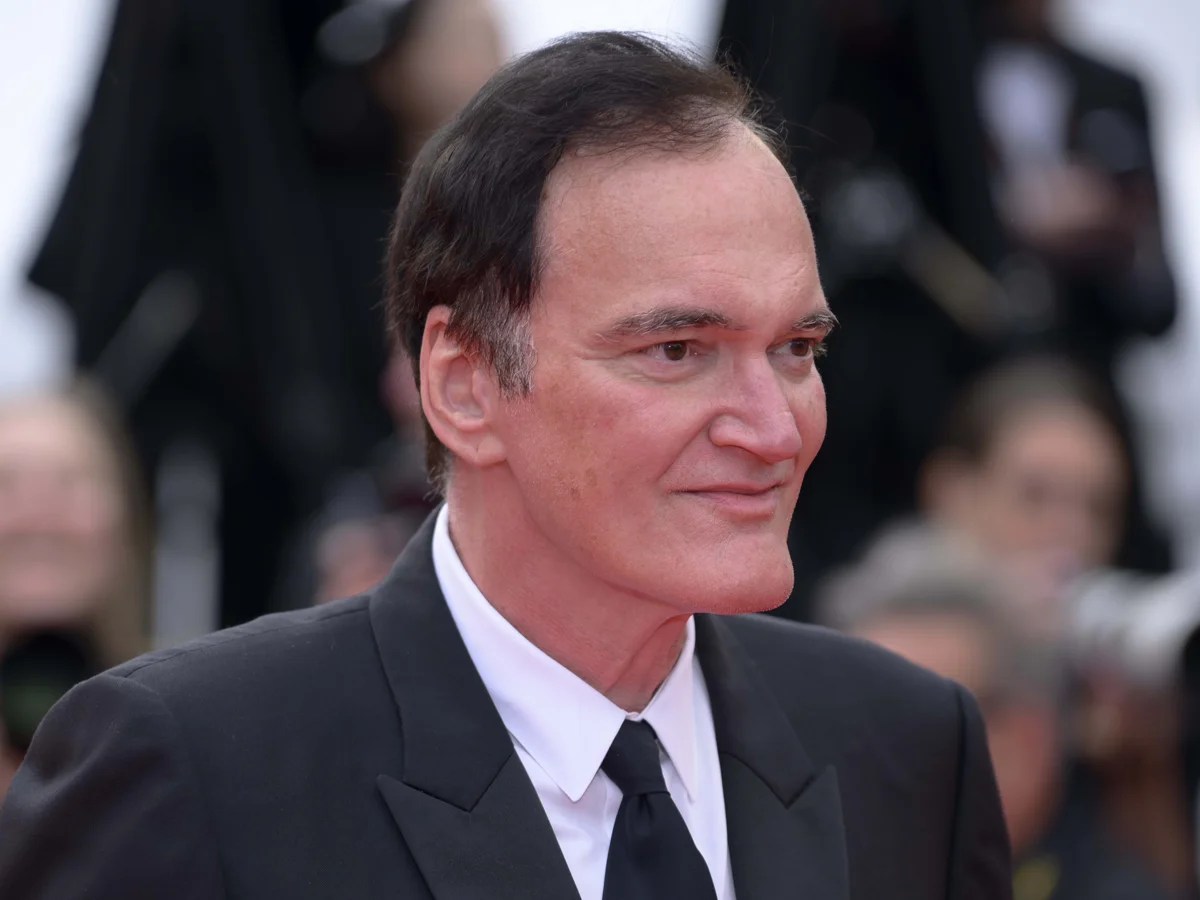
He referred to the closing battle as
one of the great battles of all time.
—Quentin Tarantino, Filmmaker
In addition, Tarantino singled out Beach of the War Gods as one of four masterpieces by Wang Yu and highlighted the director’s distinctive visual style. He even noted similarities to Zack Snyder’s 300, proposing that Snyder’s film plays like a remake of this 1973 martial arts classic.
The Overlooked Brilliance of Beach of the War Gods
Although Beach of the War Gods is less recognized than major Shaw Brothers productions, it is an underrated jewel within the 1970s martial arts cinema. The film’s historical setting and costume design immerse viewers in a richly detailed world, busy with authentic samurai and warrior attire representing both Japanese and Chinese sides of the conflict.
Jimmy Wang Yu, while not traditionally viewed as an expert martial artist on the level of Jackie Chan or Bruce Lee, delivers a performance supported by compelling fight choreography. The film’s battle scenes are notable not for focusing on isolated confrontations but for showcasing dozens of simultaneous duels across the battlefield, with the hero fighting Japanese pirates using two swords in the foreground while other warriors clash in intricate combat sequences in the background.
This complexity of action, combined with the diversity of fighting styles among the group of heroes, keeps the film’s long final battle dynamic and engaging throughout, avoiding repetitiveness and drawing the audience deeper into the conflict. Rather than a simple sword fight, the film offers a layered visual spectacle that holds the viewer’s attention for more than half an hour.
Why Beach of the War Gods Remains Significant
Beach of the War Gods stands out not only for its ambitious scale but also for how it bridges martial arts cinema with large-scale historical war stories, making it a unique contribution to both genres. Tarantino’s enthusiastic endorsements bring renewed attention to the film’s artistry, spotlighting it as an important, though sometimes overlooked, piece of cinematic history.
The film’s energetic final battle, with its blend of large numbers of combatants and varied martial techniques, sets a high standard for action choreography. It influences how epic fight scenes can be staged, combining clear storytelling with visual bursts of excitement that remain impactful decades after its release.
As audiences and filmmakers continue to revisit martial arts cinema classics, Beach of the War Gods offers a rich example of innovation within the genre and an impressive demonstration of how a martial arts film can carry the emotional weight and grandeur of a major historic war drama.
