
Fans eager to watch Highest 2 Lowest, the new film starring Denzel Washington and directed by Spike Lee, are finding it frustratingly difficult to see the movie in theaters. Despite being a re-imagining of Akira Kurosawa’s classic crime drama High and Low, Apple‘s decision to give the film only a limited theatrical release before moving it to its streaming platform in September has ignited widespread disappointment. This choice highlights the ongoing shift in how tech companies prioritize streaming over traditional movie theater presentations.
Apple’s restrictive rollout of Highest 2 Lowest appears short-sighted, especially given Washington’s standing as one of the few actors who can reliably draw audiences to theaters without relying on major franchises or intellectual property. The move signals a troubling trend in the industry, where studios hesitate to fully back star-driven, mid-budget productions, further stagnating the era of the movie star in Hollywood.
The Enduring Box Office Power of Denzel Washington
Not long ago, Apple showed a stronger commitment to theatrical releases, exemplified by wide launches for ambitious projects like Killers of the Flower Moon and Napoleon. However, after several underperforming films including Argylle and Fly Me to the Moon, Apple shifted focus away from theaters unless it involves a high-profile blockbuster supported by extensive branding, such as their collaboration with Brad Pitt on F1.
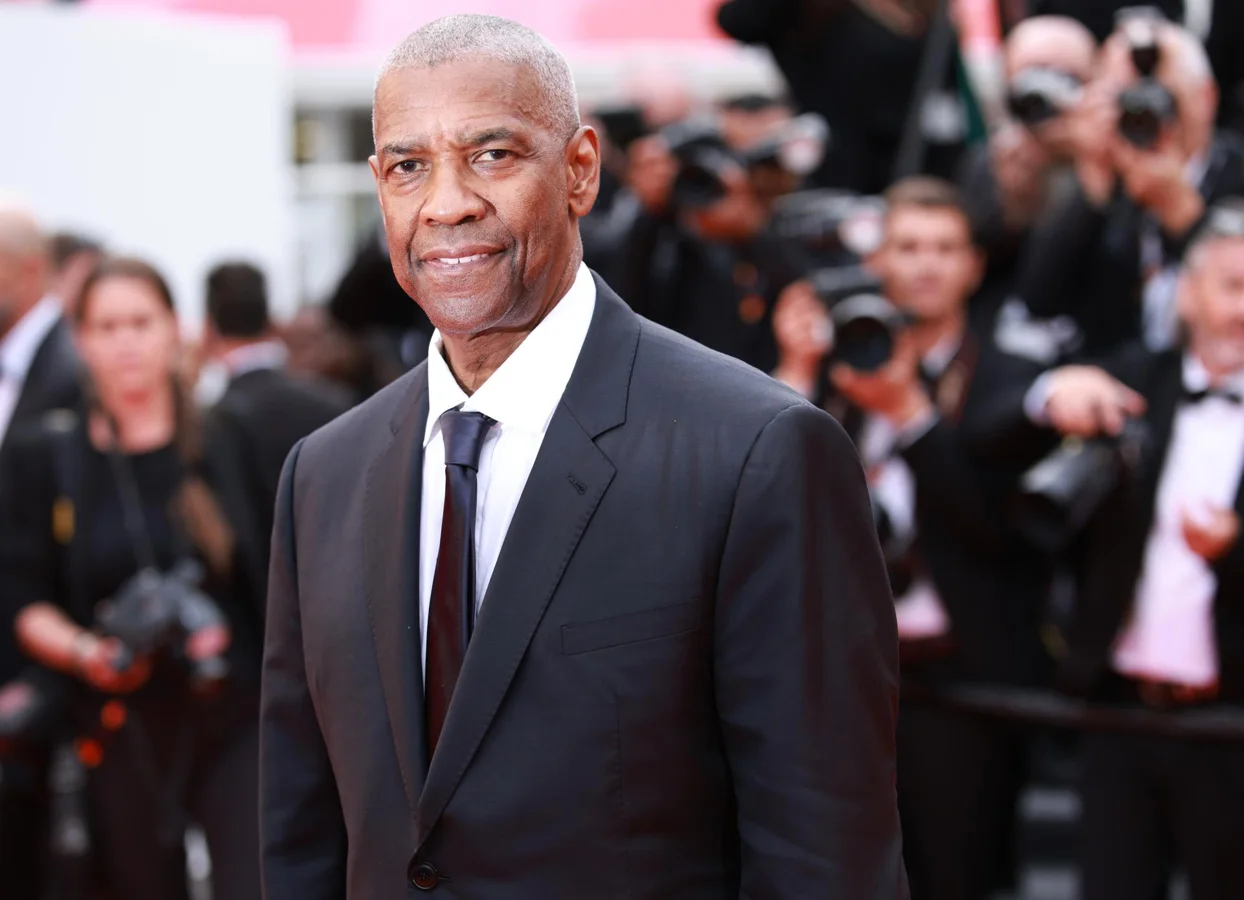
Within a film industry now dominated by franchises and IP-driven blockbusters, the appeal of individual movie stars has diminished. Yet, Denzel Washington remains a rare exception. The two-time Oscar winner has avoided both superhero roles and streaming-only projects, instead sustaining his career through strong performances in crime and action films, including his successful franchise The Equalizer. Each installment of that series has earned over $100 million globally, proving Washington’s enduring appeal well into his late 60s and early 70s.
Beyond The Equalizer, Washington’s track record includes hits like The Magnificent Seven, The Book of Eli, and The Taking of Pelham 123, all of which surpassed $100 million in global box office receipts. His film Flight, a dramatic exploration of addiction, surprised many by grossing over $160 million. The actor’s strength in driving audiences is further evidenced by his previous collaboration with Spike Lee in Inside Man, another crime thriller that earned more than $100 million.
How the Industry’s Focus on Franchise Blockbusters Undermines Star-Driven Cinema
Highest 2 Lowest stands as a testament to Spike Lee’s distinct directorial style and Washington’s compelling screen presence, delivering a tense and straightforward piece of entertainment. However, the film’s minimal theatrical release exposes the declining value studios place on star-centric movies that don’t promise enormous franchise earnings or merchandising potential.
Washington embodies a classically trained actor whose gravitas and charisma warrant a big screen experience, yet the shifting dynamics of Hollywood’s business model mean his projects must hit billion-dollar marks or be part of larger cinematic universes to gain full theatrical support. The current environment, dominated by tentpole franchises like the Marvel Cinematic Universe, leaves little room for mid-budget, artist-driven films even if they feature legendary actors.
Moreover, the audience most likely to appreciate Washington’s work skews older, and this demographic is increasingly alienated by the industry’s choice to skip or severely limit theatrical runs for these types of films. Instead, studios push content directly to streaming platforms, undermining both the cultural and commercial importance of seeing Washington’s performances in theaters.
Implications of Streaming and Tech Company Influence on Movie Accessibility
The limited availability of Highest 2 Lowest in cinemas reflects a broader shift propelled by Netflix and other streaming giants that prioritize at-home viewing over theatrical exhibition. This trend has reshaped how movies are financed, marketed, and released, often at the expense of traditional cinematic experiences.
While streaming offers convenience, the marginalization of star-driven films like Washington’s latest work signals a deeper crisis for mid-budget movies and legacy movie stars who have long anchored box office success. Apple’s decision to sideline a Denzel Washington crime drama from wide theatrical release is a stark example, highlighting the tension between commercial calculations and artistic integrity in today’s film industry.
Ultimately, this development raises critical questions about the future of cinema and the role of celebrated actors like Washington in drawing audiences to theaters. As studios and tech companies continue to prioritize large-scale franchises and streaming-first strategies, audiences hoping to experience films like Highest 2 Lowest on the big screen may have to adjust their expectations or platforms.
