
Ryan Reynolds has proven himself a natural fit for big-budget superhero movies, much like fellow stars Chris Evans and Chris Hemsworth. His sharp comedic timing, action skills, and leading man presence have made him a popular choice, although several of his seven comic book movies have underperformed. Despite this, Reynolds consistently elevates these weaker films, and the failures rarely stem from his performance. The turning point for Reynolds was his determination to complete the 2016 film Deadpool, a project that highlighted his strengths and redefined his superhero status.
Ranking the Least Successful Films in Reynolds’ Comic Book Career
The Bottom: R.I.P.D. as Reynolds’ Lowest Point
R.I.P.D. arguably sits at the bottom of Ryan Reynolds’ comic book movie outings and is often cited as one of the worst superhero adaptations ever made. Released a year before the success of Guardians of the Galaxy, its concept seemed promising—combining a niche comic property, a comedic tone, and futuristic weaponry. However, its execution faltered badly.
The studio reportedly aimed to replicate the success of Sony’s Men in Black by commissioning a similar buddy-cop dynamic between Reynolds and Jeff Bridges. Bridges attempted to channel a humorous version of his role as Rooster Cogburn, but the chemistry with Reynolds was weak. The film‘s PG-13 rating clashed with its juvenile and off-putting humor, and the CGI effects were widely criticized despite the movie’s $130 million budget. The awkward avatar joke involving character appearances further undermined the film’s tone.
Challenges and Chaos Plague Blade: Trinity
Blade: Trinity faces significant criticism as one of Reynolds’ less successful projects, ranking near the bottom alongside other subpar films. Its production was notoriously troubled, marking director David S. Goyer’s first studio film, with tensions focused largely on lead actor Wesley Snipes. Snipes, coming off two acclaimed Blade movies, resisted sharing the spotlight with co-stars Jessica Biel and Reynolds, whose characters had limited impact.
The film featured a poorly conceived Dracula villain and heavily stylized action scenes, but suffered most from weak dialogue, especially in Reynolds’ role as Hannibal King. Despite Reynolds’ efforts, the movie failed to deliver excitement or coherence, effectively ending what could have been a strong comic book trilogy.
Mixed Reactions for X-Men Origins: Wolverine
X-Men Origins: Wolverine experienced a complicated release, including a notorious early leak, but achieved commercial success largely due to Hugh Jackman’s enduring appeal. The film marked an unclear transition for the X-Men franchise following a lackluster original trilogy. However, it failed to energize the series as hoped, especially when compared to the well-received X-Men: First Class.
The plot relied heavily on familiar territory without delivering fresh insights, and the CGI effects were inconsistent. Moreover, the portrayal of Deadpool by Reynolds was so altered that the character became unrecognizable. Confusing character continuity, such as between Sabretooth versions, further alienated fans. Despite Liev Schreiber’s strong chemistry with Jackman, the movie remains one of the weakest in the X-Men collection.
Green Lantern Falls Victim to Overbearing Studio Influence
Green Lantern exemplifies a film hindered by a lack of clear vision, with director Martin Campbell later admitting the movie suffered from too many competing influences. Instead of showcasing Reynolds’ talents, the production aimed to cram in every successful superhero formula from past hits, resulting in an unoriginal and overwhelming experience. The film borrowed heavily from other movies without adding anything distinctive, leaving it unable to capture audience interest or innovate within the genre.
Deadpool Sequels: Strong But Flawed Follow-Ups
Deadpool 2: A Solid Yet Overcomplicated Continuation
The sequel to the original Deadpool arrived with high expectations but managed only a partial success. While it retained the trademark humor and intense action, the story was more convoluted, making it less accessible as a casual watch. Directed by the talent behind Bullet Train after Tim Miller’s departure, the film took bolder risks like creating and quickly discarding the X-Force team.
Though Josh Brolin’s Cable added star power, his strong association with Marvel’s Thanos distracted some viewers, and key characters like Zazie Beetz’s Domino were missed. Overall, Deadpool 2 did not replicate the fresh energy of its predecessor but remained a well-made installment.
The Breakthrough and Best: Deadpool (2016)
Deadpool stands out as the defining Ryan Reynolds comic book movie and was a game-changing entry in the superhero genre when released in 2016. With a modest budget of $58 million, it became one of 20th Century Fox’s most successful superhero films, proving that original, irreverent content can win at the box office. Reynolds embodied the character perfectly, to the extent that no other actor seems fit for the role, much like iconic pairings such as James Earl Jones as Darth Vader.
The film’s comedic style and quotable dialogue made it especially memorable on initial viewing, and audiences embraced Reynolds’ passion project. While the plot itself was straightforward, the actor’s dynamic with co-star Morena Baccarin was a highlight that subsequent films did not fully capitalize on.
Top Placement: The Chemistry and Impact of Deadpool & Wolverine
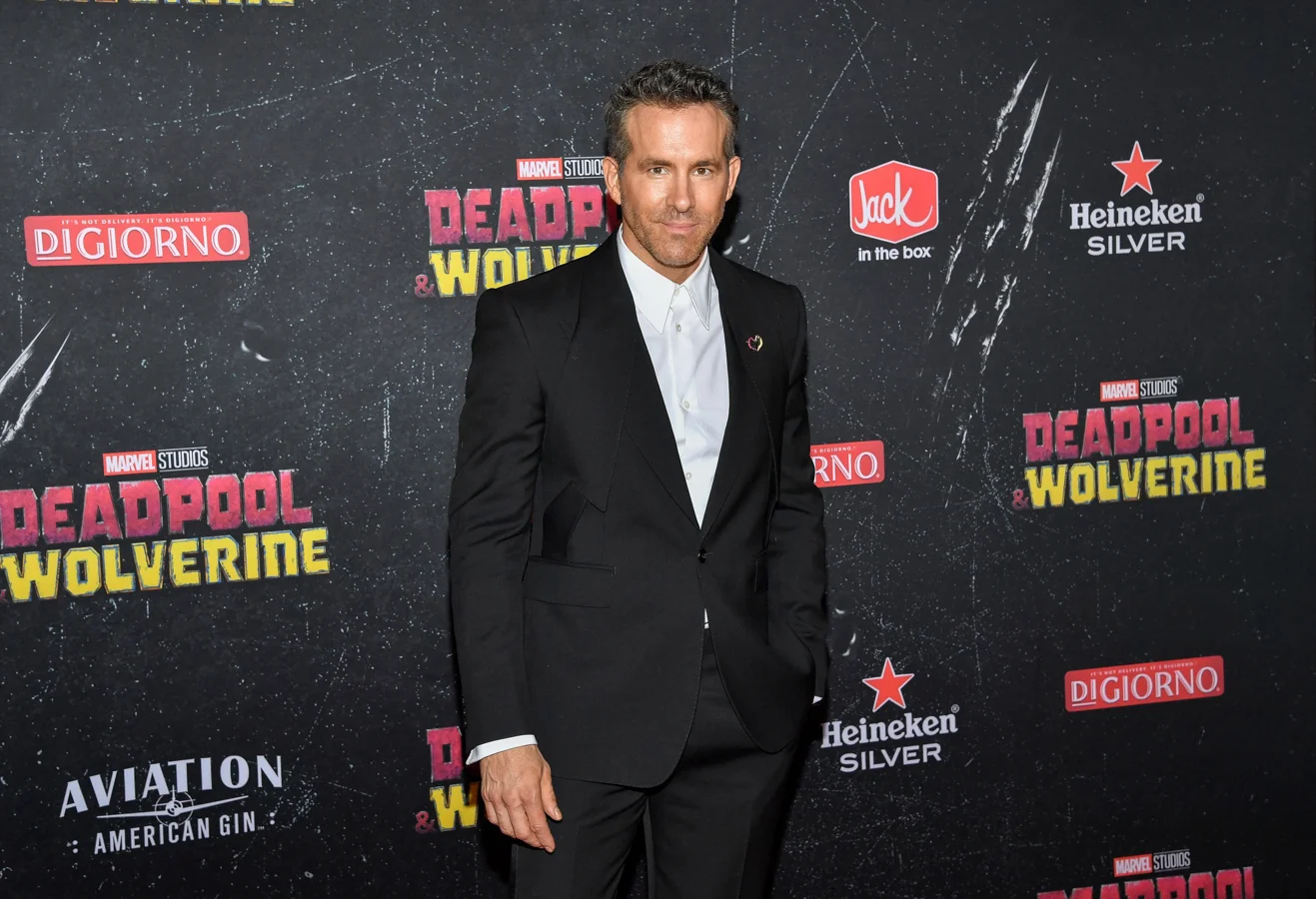
Ranking as Reynolds’ best comic book film is the crossover event Deadpool & Wolverine, which rekindled the excitement generated by the 2016 original. It is noteworthy for pushing the boundaries of the Marvel Cinematic Universe by sustaining a fully R-rated film that still achieved broad appeal. The film’s success hinged greatly on the electric chemistry between Reynolds and Hugh Jackman, whose on-screen interactions drove much of the movie’s energy.
Despite imperfections, the film is a clear example of what happens when enthusiasm, strong characters, and boundary-pushing storytelling come together. Fans have been left wondering why the MCU hasn’t commissioned a follow-up, particularly as other projects have struggled to maintain that same magic.
Understanding the Broader Impact of Reynolds’ Comic Book Roles
Ryan Reynolds’ journey through comic book movies illustrates how star power can elevate flawed projects, yet also how important it is for the right creative vision to guide them. From spectacular misfires like R.I.P.D. and Blade: Trinity to groundbreaking hits like Deadpool, his filmography reflects both the challenges and triumphs of the superhero genre. The varied reception of these movies shows how audience expectations hinge on authenticity, chemistry, and originality.
Moving forward, the lessons from Reynolds’ career may influence how studios approach superhero films, emphasizing the importance of passion projects and veteran actor collaboration. As superhero audiences grow ever more discerning, Reynolds’ successful projects highlight the potential when the right elements align, promising exciting possibilities for future comic book adaptations.
