
Denzel Washington delivered a career-defining performance in the 1992 biopic Malcolm X, which chronicles the life of the influential Black Nationalist leader from his troubled youth in Harlem to his rise as a powerful figure and eventual assassination in 1965. The film, directed by Spike Lee and co-written by Arnold Perl and Alex Haley, captures the full evolution of Malcolm X with authenticity and depth. Washington’s portrayal stands out for its incredible range, as he skillfully embodies Malcolm X at several distinct life stages, transforming from a reckless gangster into a resolute, visionary leader.
This 202-minute epic allows viewers to witness a comprehensive journey rarely matched in biographical films. Spike Lee‘s direction combined with the screenplay’s nuanced storytelling brings Malcolm X’s complex personality to the forefront, highlighting not only his achievements but his human flaws. Washington’s performance avoids the temptation of creating an idealized version of the figure, instead offering a grounded portrayal that emphasizes the real man behind the legend.
Context of the 1993 Academy Awards and the Controversial Best Actor Category
The 1993 Oscars, honoring films from 1992, saw a fiercely competitive Best Actor category that included Robert Downey Jr. for Chaplin, Clint Eastwood for Unforgiven, Stephen Rea for The Crying Game, and Al Pacino for Scent of a Woman. Despite these strong contenders, it was Pacino’s deeply committed role that ultimately earned him his first Academy Award. Meanwhile, Denzel Washington’s remarkable work in Malcolm X was surprisingly overlooked, marking one of the most notable snubs in Oscar history.
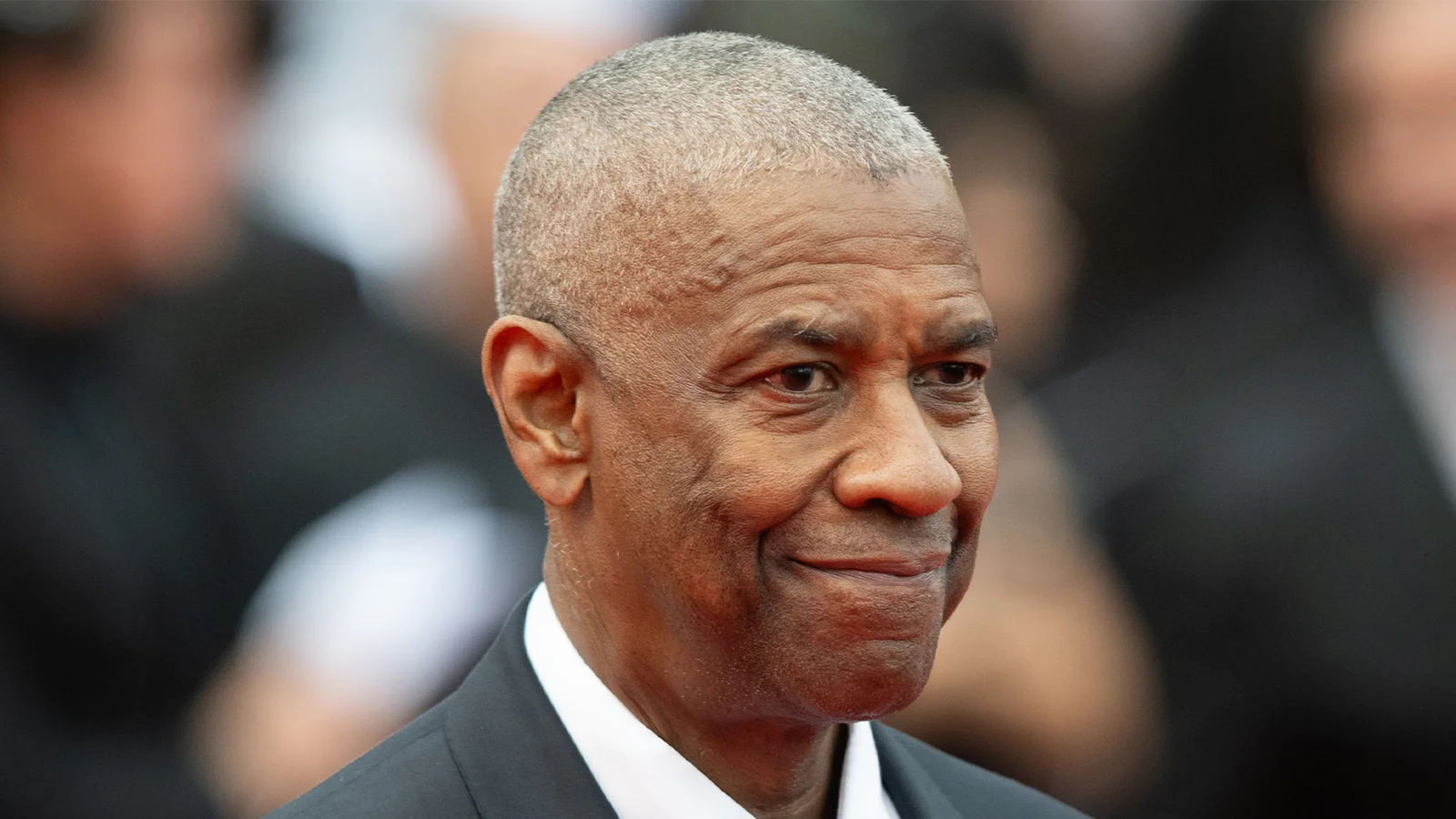
Washington’s ability to portray multiple facets of Malcolm X across decades with remarkable authenticity set his performance apart from others in the race. While Pacino’s win was celebrated, many observers argue that Washington’s nuanced, dynamic embodiment of such a historically significant figure was deserving of at least a nomination, if not a win. The snub remains perplexing, given the magnitude and critical acclaim of Washington’s performance.
Legacy of a Misunderstood Performance and Its Lasting Impact
Despite the Oscar oversight, Denzel Washington continued to build a legacy as one of Hollywood’s most accomplished and respected actors, with previous recognition including his 1990 Best Supporting Actor win for Glory and later Best Actor victory for Training Day in 2002. His collaboration with Spike Lee, including films like Mo’ Better Blues, He Got Game, and Inside Man, helped establish him as both a box office star and awards favorite. Malcolm X still stands as a peak performance reflecting Washington’s extraordinary talent and dedication.
The snub highlights the complexities and occasional injustices within awards recognition, especially when an actor delivers a role that spans multiple emotional and historical layers. For fans of Washington and biographical cinema alike, the omission at the 1993 Oscars represents a missed opportunity to honor one of the decade’s most powerful performances. The film and Washington’s role continue to inspire discussions about representation, artistry, and historical storytelling in film.
Denzel Washington and Spike Lee’s Continued Collaborations and Influence
Washington and Spike Lee’s partnership has produced several critically acclaimed films, including the recent Highest 2 Lowest, a reimagining of Akira Kurosawa’s High and Low. Their work together is marked by a shared commitment to telling stories that explore complex social issues and impactful characters. Malcolm X remains the most significant achievement of their collaborations, embodying the artistic and cultural heights they have reached as a team.
Angela Bassett, another key cast member in Malcolm X, also contributed to the film’s powerful dynamic, each performer adding layers of depth to the rich narrative. The continued legacy of Malcolm X as a film lies not only in its portrayal of a historic leader but also in the commitment of its cast and crew to excellence and authenticity.
“It cannot be understated how impressive Denzel Washington’s work is here.” —Film Critic
“It’s a truly once-in-a-lifetime performance that should’ve earned Washington his second Oscar after Glory.” —Cinema Analyst
“Lee is able to capture an entire lifetime in only 202 minutes, which is a testament to not only his remarkable direction, but his excellent screenplay.” —Film Historian
