
During a recent appearance on Ted Danson’s podcast, Judd Apatow shared insights about working with Paul Rudd on the 2004 comedy Anchorman: The Legend of Ron Burgundy, revealing a behind-the-scenes controversy surrounding Rudd’s weight. Apatow detailed how the studio pressured Rudd to lose weight during filming, despite Rudd’s commitment to embracing a bigger, comedic persona for the role, marking a significant episode in the Paul Rudd Anchorman weight controversy.
Apatow Remembers Paul Rudd’s Approach to Comedy
On the podcast, Apatow reflected on Rudd’s transition from serious acting to comedy. He noted that before Anchorman, Rudd was known for more dramatic roles in films like Neil LaBute’s The Shape of Things, Dylan Kidd’s P.S., and The Cider House Rules. However, Rudd was determined to succeed in comedy and fully immersed himself in the audition process by arriving dressed in ‘70s attire complete with a mustache. Apatow said,
“I remember him coming in fully dressed in the ’70s clothes for the Anchorman audition [with the] mustache. You know, he definitely was committed to, like, being a comedy star. And I would always say, ‘All I need is for you to gain weight. I just want you to gain weight. I like Chunky Paul. Let’s do Chunky Paul.’
—Judd Apatow
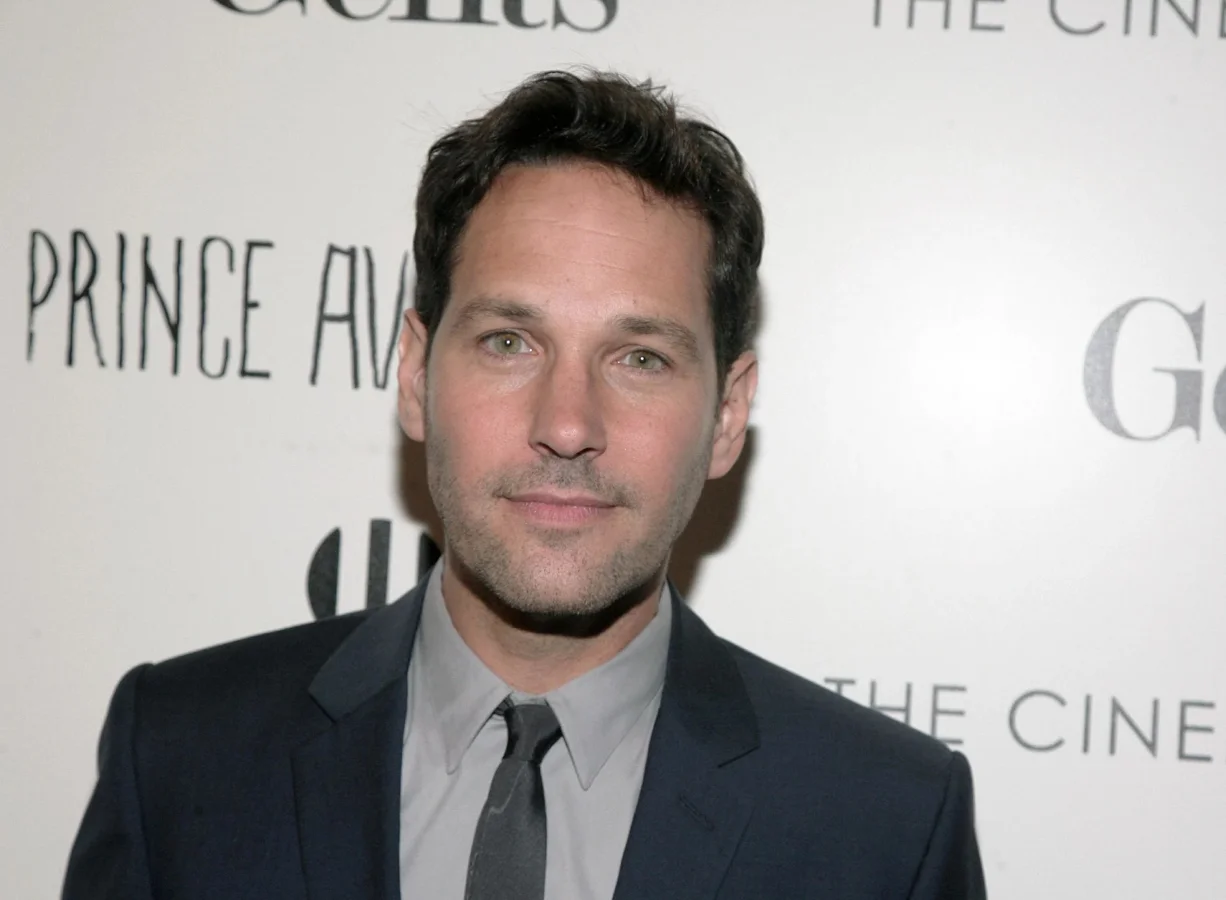
This nickname, “Chunky Paul,” affectionately captured the physique Apatow wanted Rudd to maintain for comedic effect, believing it would add to the humor and character presence in the film.
Studio Pressure to Change Rudd’s Appearance During Filming
Despite Apatow’s encouragement, the studio executives expressed concern about Rudd’s weight shortly after shooting began. Apatow revealed that within three days of filming, the studio grew anxious and demanded changes, asking,
“What happened to Paul? And they’re like, ‘[Can] he do anything about this?’ I’m like, ‘I can’t change his weight in the middle of the movie!’ But, you know, he was doing a De Niro for us.”
—Judd Apatow
This comment alludes to Rudd intentionally modifying his physique in a method actor style, similar to Robert De Niro’s well-known physical transformations for roles. Fortunately, the creative team resisted the executives’ pressure, allowing Rudd to retain the “Chunky Paul” look that became iconic for his character, Brian Fantana.
The Enduring Impact of Rudd’s Role in Anchorman
Paul Rudd’s portrayal of Brian Fantana remains a beloved part of Anchorman’s success, with the actor’s commitment to the character’s physical and comedic persona earning lasting appreciation. Apatow’s account sheds light on the challenges actors often face balancing studio demands with creative vision, especially when weight and appearance are central to a role’s comedic effect.
Beyond Anchorman, Apatow and Danson’s conversation also covered other comedy milestones, including shows like Freaks and Geeks and films such as The 40-Year-Old Virgin, revealing Apatow’s deep respect for comedy legends like Garry Shandling, Don Rickles, and Bob Newhart. This dialogue underscores the intricate blend of personal dedication and external pressures involved in bringing comedy to life on screen.
The discussion emphasizes that despite studio concerns, Rudd’s dedication to his role paid off, preserving a memorable performance that continues to resonate with audiences. As interest in comedy history grows, insights like these enrich understanding of how humor and character choices evolve behind the scenes.
