
Zach Cregger’s new horror film, Weapons, has quickly captured audience attention with its blend of psychological terror and dark humor, opening at number one at the box office. The film explores the trauma experienced by a small American town following the sudden disappearance of seventeen children, using a visual style heavily inspired by Denis Villeneuve’s critically acclaimed thriller Prisoners. This influence is especially visible in Weapons’ moody portrayal of suburban collapse, marrying chilling atmospherics with moments of eerie levity.
Before gaining prominence as a director of major science fiction films like Dune, Denis Villeneuve built his reputation on gripping crime dramas and suspenseful psychological thrillers. Prisoners, a tense exploration of a father’s desperate search for his missing daughter, stands out as a landmark in Villeneuve’s earlier career. The film follows Keller Dover (Hugh Jackman) and Detective Loki (Jake Gyllenhaal) as they navigate a haunting investigation loaded with moral ambiguity and mounting despair.
Cinematographer Roger Deakins, a frequent collaborator of Villeneuve and one of the most celebrated figures in modern cinema, shaped Prisoners‘ visual mood with a deliberately muted, rain-soaked palette. This somber and lived-in aesthetic captured the unsettling atmosphere of an ordinary neighborhood unraveling under trauma, and it is this tone that Cregger sought to recreate in Weapons.
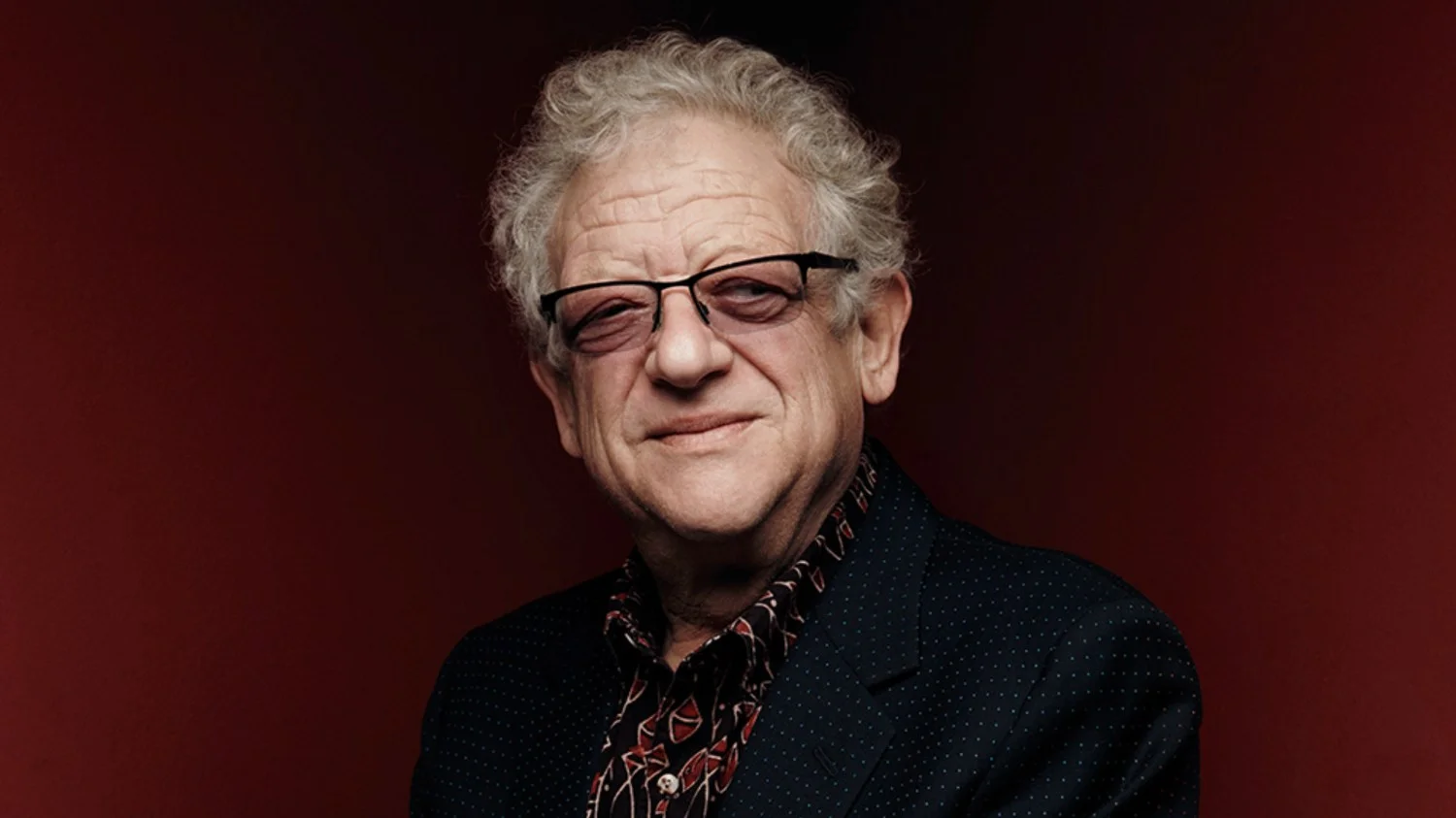
“The cinematography of Prisoners is so gorgeous,”
Zach Cregger told Letterboxd.
“I really wanted to evoke everything visually that the movie evoked,”
he continued, explaining that he and his director of photography, Larkin Seiple, repeatedly studied Prisoners to capture a similarly authentic feel.
“It’s very lived-in,”
Cregger said, emphasizing his intention to reflect the disorder and messiness of the homes and community as Villeneuve and Deakins did in their film.
Comparing the Atmosphere and Themes of ‘Weapons’ and ‘Prisoners’
Though Weapons and Prisoners operate in different narrative registers—Villeneuve’s film maintains a somber and tragic tone while Cregger’s includes macabre humor and absurd elements—the shared focus on community trauma resulting from the disappearance of children is undeniable. Both films are set within seemingly typical suburban towns where the surface normalcy is shattered, revealing a disturbing undercurrent of anxiety and grief.
Weapons projects the feeling of a once-peaceful neighborhood now cursed and decaying under the weight of the tragedy. The cinematography emphasizes shadows and darkness, which amplify the tension and help deliver the film’s jump scares. While Weapons lacks the painterly image depth found in Deakins’ work on Prisoners, it compensates with unsettling, shadow-filled imagery that evokes the loss of innocence and community spirit. Its fluid camera movements and wide master shots, especially those depicting children running through desolate streets, create an eerie sense of a supernatural event happening in a familiar setting.
On the thematic front, both films revolve around the anguish and relentless desire to uncover the truth behind the missing children. Villeneuve’s Prisoners adopts a solemn approach to grief, focusing on the father’s torment and the moral complexities of personal justice. In contrast, Weapons infuses a surreal, almost darkly comedic edge by attributing the mysterious mass disappearances to a witch-like figure, a human embodiment of horror within the narrative’s macabre imagination. Despite these tonal differences, both films highlight the emotional agony that comes with the search for truth, suggesting that uncovering reality may be even more painful than the uncertainty itself.
A clear nod to Prisoners is found in Weapons’ segment centered on Archer Graff, played by Josh Brolin, who is a recurring actor in Villeneuve’s projects. Archer is a construction manager and father desperately trying to track his missing son, Matthew, one of the 17 children who vanished at 2:17 AM. Graff’s investigative efforts mimic the intense procedural elements of Prisoners, as he pieces together security footage and uncovers the interconnected locations where the children congregated. This narrative choice deepens Weapons beyond a straightforward horror thriller by focusing on the emotional bonds and shared grief permeating the small town.
Zach Cregger’s Unique Blend of Horror and Psychological Drama
With Weapons, Zach Cregger marries horror film conventions with the layered storytelling and atmospheric tension more typical of dramas and crime thrillers. His work reflects an auteur’s vision, combining the eerie and unsettling elements of supernatural horror with grounded portrayals of communal fear and trauma. Cregger’s ability to interlace humor and darkness contributes to the film’s fresh voice in the horror genre.
The influence of Denis Villeneuve’s Prisoners on Weapons extends beyond just visual style; it is intricately tied to the film’s exploration of grief, mystery, and the human psyche under duress. Cregger’s homage honors the craftsmanship of Villeneuve, along with the meticulous cinematography of Roger Deakins, while carving out a unique narrative path that still resonates powerfully with contemporary audiences.
As Weapons continues to garner critical and popular acclaim, the film positions Zach Cregger as a filmmaker to watch, capable of producing horror that is both aesthetically thoughtful and emotionally rich. The crossover influence of Denis Villeneuve Prisoners influence is likely to encourage future creators to explore similarly bold visual and narrative combinations within genre cinema.
