
During the recent promotion of his latest film, Highest 2 Lowest, Denzel Washington expressed strong skepticism about the concept of cancel culture. The acclaimed actor engaged with reporters and questioned the significance of being “canceled,” asserting that it does not affect him. Washington‘s remarks came amid the film’s short theatrical release, ahead of its streaming debut on Apple TV+ on September 5.
The film, directed by Spike Lee and starring Washington, is a contemporary remake of Akira Kurosawa‘s classic crime thriller High and Low. During an interview with Complex, when asked about his thoughts on cancel culture and losing public support, Washington interrupted and asked for clarification, showing his unfamiliarity or disinterest in the term.
Washington’s Faith Shapes His View on Cancel Culture and Public Approval
When a reporter explained that being canceled means losing public support or social media followers—often considered a form of currency in today’s world—Washington responded by downplaying the importance of such approval. He emphasized that he does not follow anyone except “the heavenly spirit” and does not prioritize social media metrics.
“I don’t care who’s following who. You can’t lead and follow at the same time, and you can’t follow and lead at the same time. I don’t follow anybody. I follow the heavenly spirit. I follow God, I don’t follow man. I have faith in God. I have hope in man, but look around, it ain’t working out so well. You can’t be canceled if you haven’t signed up. Don’t sign up.”
—Denzel Washington, Actor
His statement underscored his belief that subscribing to cancel culture or public validation is a choice, not a given condition. Washington further joked about the topic, saying that discussing it made his “chest get tight” while reinforcing that he simply does not care.
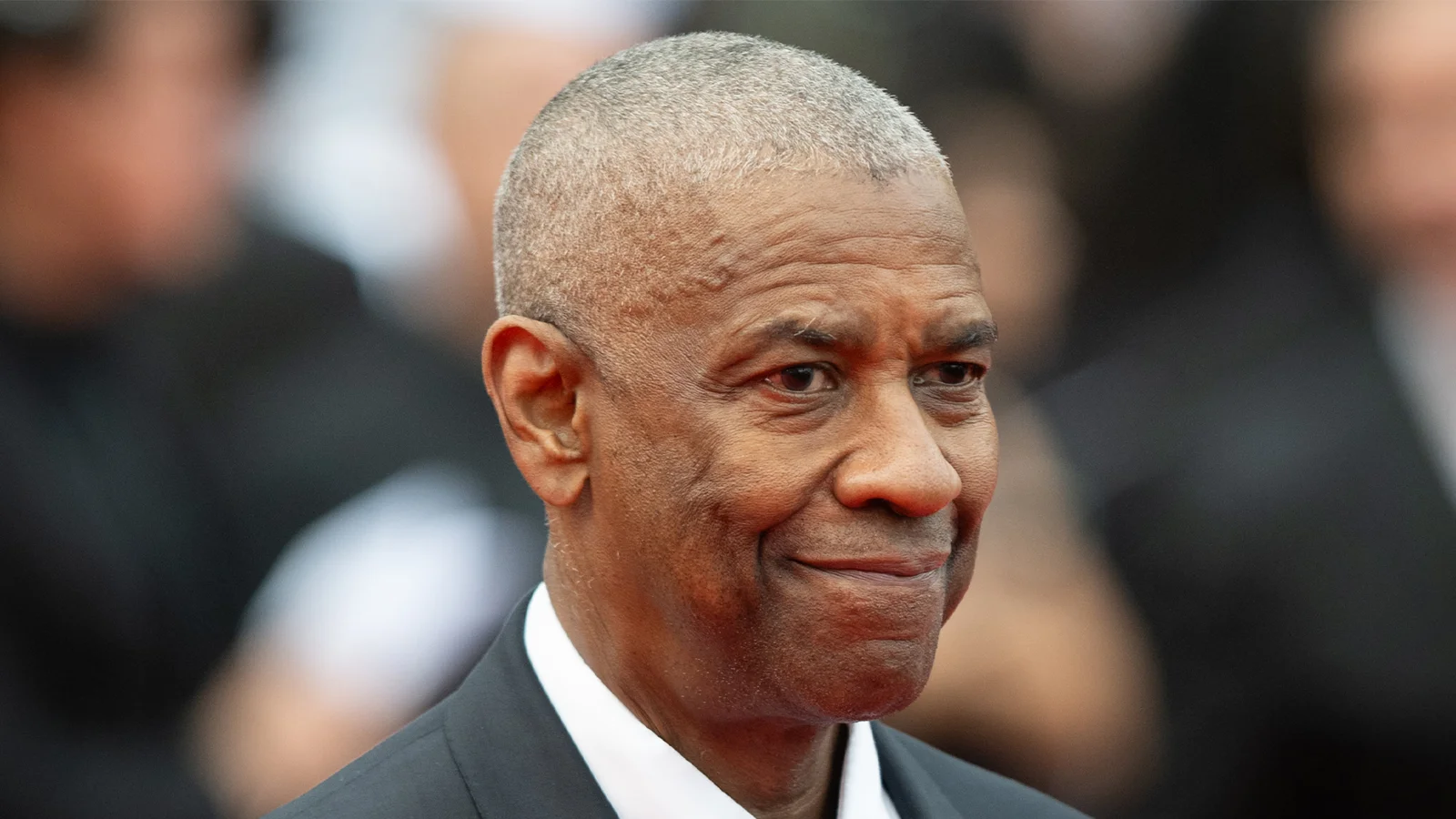
“Don’t get me started. You know, chest is getting tight talking about it. I could care less.”
—Denzel Washington, Actor
Spike Lee, present during the conversation, laughed and added that Washington’s dismissal of being canceled mirrored his attitude toward prestigious awards like the Oscars—they simply hold no value for him.
Washington’s Consistent Disregard for Public Opinion and Awards
This frank attitude toward public opinion and recognition is consistent with Washington’s past remarks. He has openly criticized the public’s misinformation and often offers candid, no-nonsense responses during interviews. His dismissive stance on awards ceremonies, including the Oscars, aligns with his current rejection of cancel culture’s impact.
Washington’s rejection of the cancel culture phenomenon serves as a reminder that not all celebrities conform to popular narratives in Hollywood, and some actively resist the pressures of social media-driven public judgment. Despite the risk of backlash or social media cancellation, Washington remains unwavering in his convictions, supported by his strong faith and personal principles.
The Cast and Creative Team Behind Highest 2 Lowest
The film showcases an impressive ensemble cast alongside Washington, including Jeffrey Wright, Ilfenesh Hadera, and A$AP Rocky. Wright plays Paul Christopher, Hadera is Pam King, and A$AP Rocky portrays Yung Felon. The story revolves around David King, Washington’s character, navigating complex crime and moral dilemmas, paying homage to the themes explored in Kurosawa’s original work.
With Spike Lee directing, the collaboration between these prominent talents has generated significant anticipation. The theatrical run serves to reintroduce audiences to a classic narrative, updated for modern sensibilities, before the film becomes widely accessible via streaming.
The Broader Impact of Washington’s Remarks on Cancel Culture Discussion
Denzel Washington’s blunt rejection of cancel culture highlights a growing divide between public figures who embrace social media-driven accountability and those who dismiss it entirely. His emphasis on personal faith and internal guidance rather than external approval challenges the widespread fear of being canceled.
As conversations about cancel culture continue across Hollywood and beyond, Washington’s comments remind the industry and audiences alike that individual responses vary significantly. His stance may provoke debate and criticism online, but it also encourages a reevaluation of how much influence public opinion should truly hold over personal and professional lives.
Looking ahead, the varied perspectives of high-profile artists like Washington could shape ongoing dialogues around freedom of expression, accountability, and the role of social media in shaping public reputations.
