
James Gunn, co-CEO of DC Studios, has pulled back the curtain on the intense, multifaceted work involved in creating the second season of Peacemaker, his DC Comics spin-off series. Filmed concurrently with the latest Superman movie in Atlanta, the season delves deeply into the complex character of Christopher Smith, portrayed by John Cena, exploring themes of morality, identity, and personal conflict within the expanding James Gunn DC Cinematic Universe.
Following the theatrical debut of Superman, which drew ire from certain groups over its political overtones, Gunn emphasized his strength in making characters feel genuinely human, blurring the lines between heroes and villains alike. Season two of Peacemaker continues this approach, centering on Smith’s struggle with the contradictions between his violent actions and his pursuit of peace. Gunn described the show as a spiritual continuation of his earlier work in Super (2010), a dark superhero satire that featured Rainn Wilson, with whom Gunn recently reunited to discuss the production.
Unapologetic Boldness in Content and Storytelling
One of the most striking revelations from Gunn involves the bold depiction of adult themes and humor, including an infamous orgy scene featuring dancing penises. He explained that HBO’s creative freedom allowed such unfiltered storytelling, designed to warn viewers about the wild, unconventional nature of the season. This shock tactic aligns with Gunn’s desire to prepare the audience for a wildly different tone compared to traditional superhero fare, marking it as decidedly inappropriate for children.
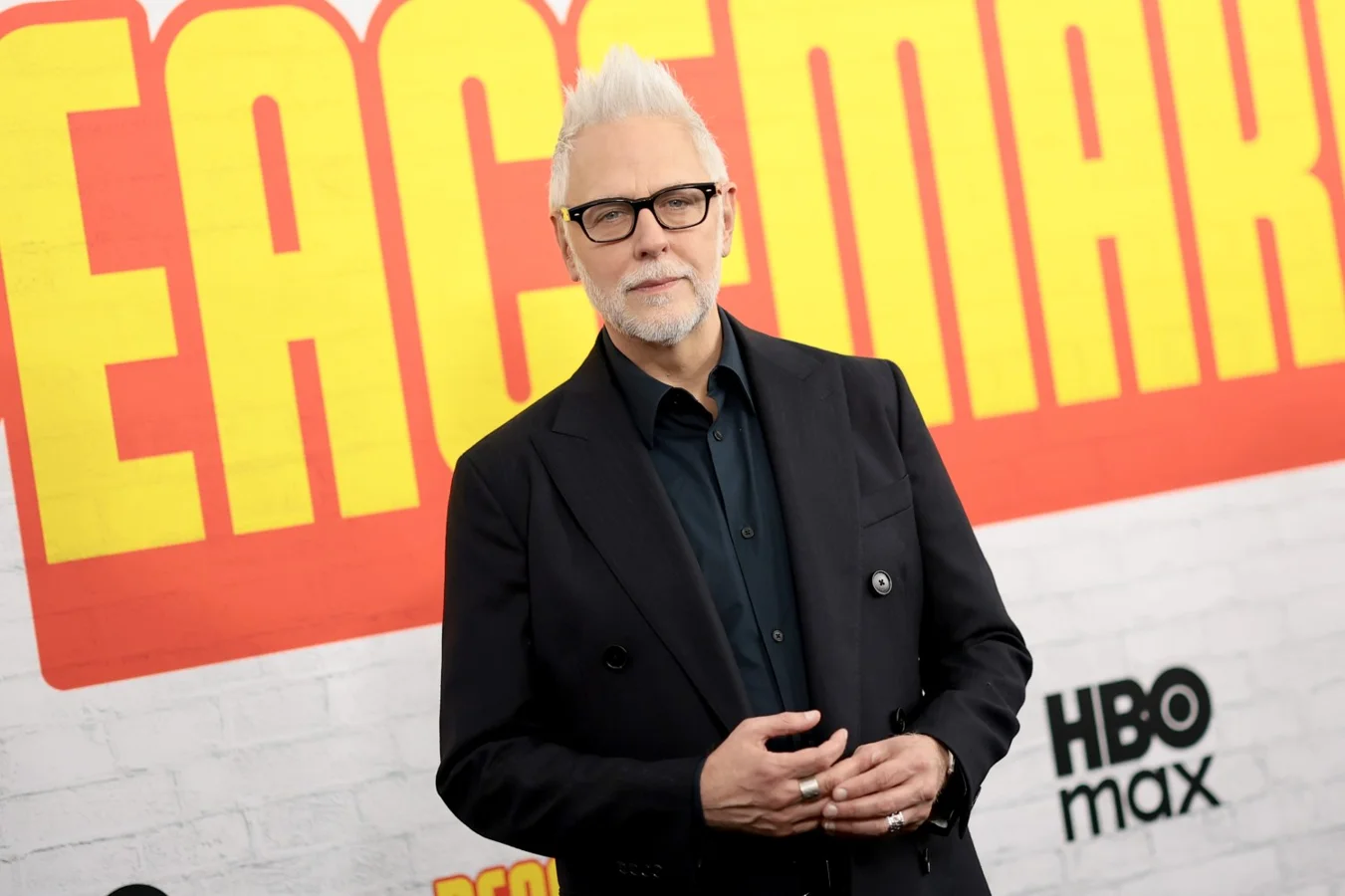
Gunn praised the intimacy coordinator who ensured the cast’s comfort during these challenging scenes and thanked the extras who embraced the eccentricity of the sequences. This candid approach to mature content underscores the series’ commitment to authenticity and boundary-pushing narratives.
Managing Dual Productions in Atlanta
The logistical feat of shooting Peacemaker season two and Superman simultaneously is a testament to Gunn’s rigorous work ethic. He explained that while other directors, like Greg Mottola, led some episodes of Peacemaker, Gunn himself filmed key scenes mostly on weekends around his commitments to the movie. This tight scheduling required intense writing, filming, and editing efforts spread across several years, culminating in an impressive volume of script pages and footage.
The choice to film in Atlanta, despite the series’ Pacific Northwest setting, was driven by production convenience, as Gunn was already stationed there for Superman. This practical decision exemplifies the complexities of overseeing a sprawling cinematic universe with multiple overlapping projects.
Focus on Christopher Smith’s Personal Journey
Season two places greater emphasis on Christopher Smith’s character development, shifting from the superhero persona to the man beneath the mask. Gunn revealed that the storyline follows Smith’s exploration of an alternate but similar world—like a “Xerox” of his own reality—highlighting a doppelganger living the life Smith aspires to have. This narrative examines meaning and identity beyond the superficial heroics.
The plot ties directly to events in Superman, notably through the Quantum Unfolding Chamber (QUC), a dimensional gateway that connects 99 other dimensions or realities. This discovery creates tension within ARGUS, the agency overseeing metahuman affairs, particularly due to the dimensional disruptions caused by Lex Luthor, a pivotal antagonist in Superman, thereby linking the series and the film in a cohesive universe.
Building a Complex Multidimensional Universe
Gunn clarified that while there has been talk of multiverse elements in his DC Cinematic Universe, the approach is more nuanced, comparing it to Philip Roth’s literary exploration in The Counterlife rather than the traditional multiverse concept. The focus is on alternate dimensions with distinct differences rather than duplicates, allowing for fresh storytelling angles that remain interconnected.
The sophistication of this universe extends to its geopolitical layers, where metahumans, governments, and powerful corporations all vie for control. Gunn pointed out the significance of major corporations like Luthor Corp, Lord Tech, Stagg Industries, and Wayne Enterprises. He described these entities not as inherently evil but rather as amoral forces driven by their leaders’ personal morals, which shape their impact on the world.
Complex Corporate and Political Dynamics Within the DC Universe
Lex Luthor emerges as a complex figure—both a visionary and an antagonist—known for his significant technological contributions like clean-energy batteries, which contrast sharply against his obsessive vendetta against Superman. Meanwhile, Maxwell Lord, introduced in Peacemaker, represents a different corporate archetype who, while morally ambiguous, leans more favorably than Luthor.
This tripartite dynamic of Metahumans, governments, and corporations forms the foundation for rich storytelling possibilities, offering a layered political and social landscape that mirrors real-world complexities within the fantastical DC universe.
John Cena’s Remarkable Acting Growth
James Gunn praised John Cena’s evolution from a performer rooted in physicality to an actor capable of deep emotional vulnerability. Gunn recounted a particularly powerful scene in episode six that showcased Cena’s ability to inhabit the layered character of Christopher Smith, highlighting his transformative journey. Cena’s performance demonstrates a bold shift from his earlier work, embracing complexity and rawness that elevate the series’ emotional resonance.
The character dynamics also deepen, especially between Peacemaker and Harcourt, played by Jennifer Holland. The second season reveals harsher truths beneath Harcourt’s façade, contrasting with Smith’s growing compassion. Gunn noted the reversal in their relationship, adding fresh dramatic tension and grounding the show in human reality despite its outlandish elements.
Creative Parallels and Inspirations
Gunn connected Peacemaker to his earlier film Super, emphasizing shared tones that blend dark comedy with poignant character studies. Both stories revolve around men who don costumes but whose true struggles occur beneath the surface. Gunn highlighted the blend of dramatic and comedic elements, as well as the presence of sociopathic sidekicks, which tie the projects together as spiritual successors despite differences in budget and scale.
Balancing Studio Leadership with Creative Endeavors
As a studio co-head, Gunn divides his time between writing, directing, and mentoring other creators across DC projects like Lanterns and the upcoming Clayface film. He credited Peter Safran with handling most of the business responsibilities, allowing Gunn to focus on creative decisions, script revisions, and supporting directors such as James Watkins and Craig Gillespie.
Despite the demanding schedule, including writing the Superman sequel script amidst constant meetings, Gunn keeps a tight grip on the DC Cinematic Universe’s overarching narrative, maintaining coherence across its expanding slate of characters and storylines.
Personal Reflections on Filmmaking Challenges
Gunn openly discussed his directorial challenges, particularly the need to temper his tendency to over-explain or over-entertain, balancing artistic discipline with audience engagement. He described the process of guiding actors like John Cena and Chris Pratt to peel away performance affectations to reveal authentic emotional cores, a transformative practice for both the actor and director.
His passion for shooting action sequences remains a core strength, while self-awareness about pacing and storytelling evolution continues to drive his growth as a filmmaker.
Early Social Media Experience and Digital Habits
Reflecting on his digital footprint, Gunn shared anecdotes from his early and intense involvement with MySpace, contrasting it with his current, minimal use of social media platforms. He mentioned delegating control over his online presence, occasionally engaging on social networks but primarily focusing on his creative output and studio work.
Anticipation for Upcoming Projects and Legacy
Looking ahead, Gunn expressed excitement for new releases like Weapons and remains eager to explore influences and connections with classic films like The Naked Gun. His blend of enthusiasm and creative dedication signals a continually evolving vision for the DC universe and his own role within it.
Gunn’s commitment to intricate world-building, character depth, and bold storytelling exemplifies a transformative period for the James Gunn DC Cinematic Universe, promising a fresh direction fueled by innovation and grounded humanity.
