
After years of inconsistent releases and behind-the-scenes turmoil, the DC Cinematic Universe (DCU) has taken a decisive turn under the leadership of James Gunn and Peter Safran. The recent debut of Gunn’s Superman marks the first installment in a cohesive Superman Saga, signaling a fresh, story-focused approach that aims to revitalize the franchise by prioritizing creative vision and long-term planning.
From Turbulent Beginnings to a Strategic New Vision for the DCU
For over ten years, DC’s film slate struggled with a disjointed and reactive creative process, frequently reshaped mid-production and rushed to meet premature release deadlines. Notably, Batman v Superman: Dawn of Justice suffered from extensive cuts that removed essential story elements, resulting in a fragmented narrative. Similarly, Justice League’s theatrical version was hindered by conflicting directorial inputs and studio interference, serving as a caution about the risks of lack of unified vision.
The shared universe model demands a well-orchestrated, long-term narrative strategy—a standard Marvel Studios has exemplified by linking films through interconnected storylines. DC’s previous attempts resembled a collection of competing standalone projects rather than cohesive chapters in a saga, undermining audience investment. In contrast, James Gunn’s carefully plotted Superman Saga establishes its tone, character development, and overarching themes before production begins, creating a foundation that avoids the patchwork storytelling of the past.
James Gunn’s Transparent and Story-Driven Leadership
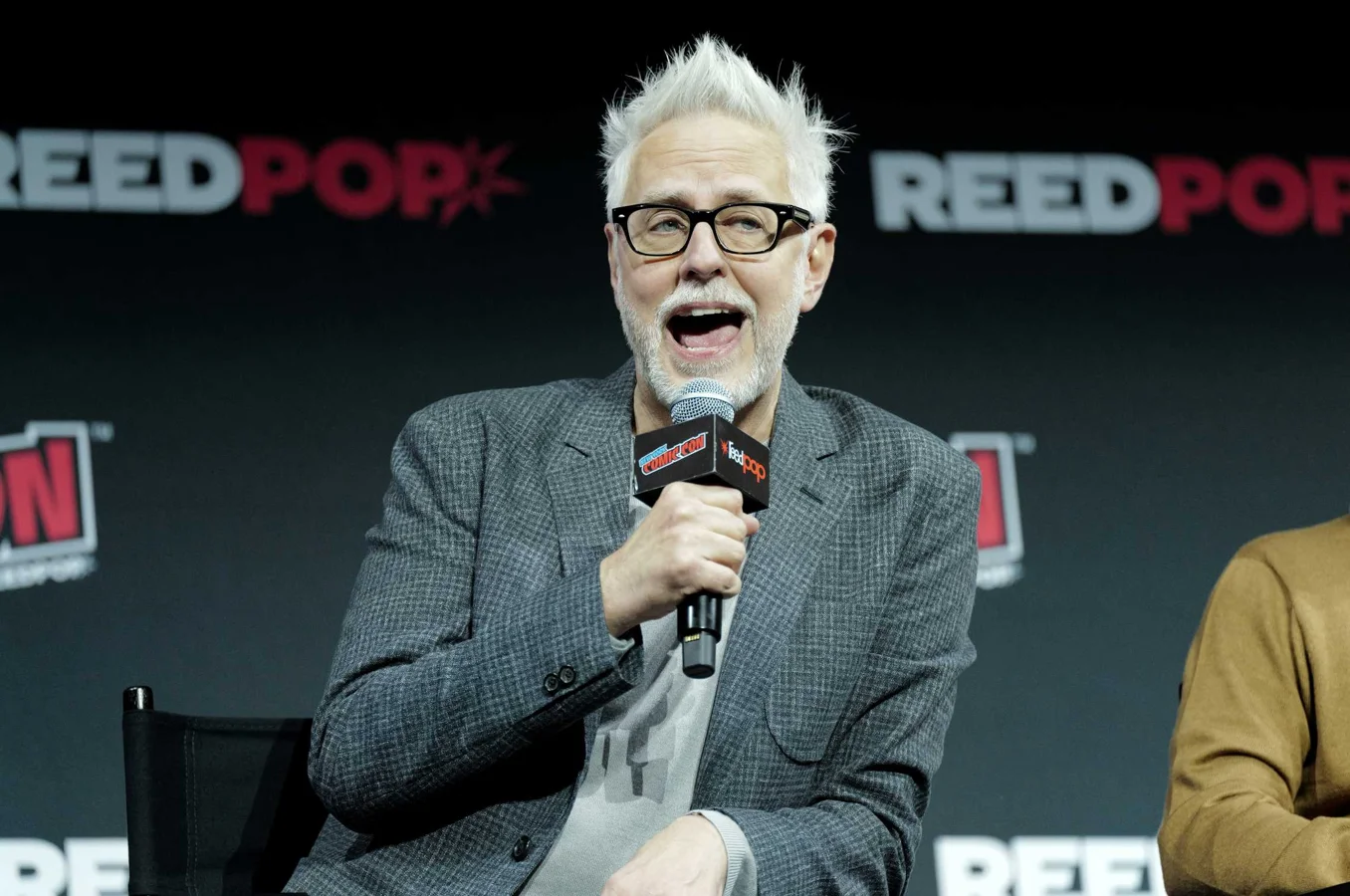
James Gunn’s approach distinctly emphasizes openness and story priority over marketing-driven deadlines. Unlike earlier DC films, which often started production with locked release dates forcing hurried completions and expensive reshoots, Gunn ensures that the script and story arc are fully developed prior to filming. This methodology builds audience confidence by providing clear signals that the franchise is guided by a thoughtful creative plan rather than reactionary marketing pressures.
By establishing a predefined narrative trajectory across a series of films, Gunn can control the emotional and thematic undercurrents of the DCU for years to come. The success and critical acclaim of the new Superman film demonstrate the effectiveness of this strategy, as it functions not only as a standalone story but also as the launch point for a larger, interconnected cinematic universe.
Focused Release Schedule to Enhance Quality and Audience Engagement
Committed to preventing the burnout that many superhero franchises experience, Gunn advocates for a deliberate limitation on the number of DCU projects released annually. This cautious pace allows each installment sufficient time to resonate with audiences without saturating the market. The prevailing industry trend of frequent releases can risk diluting quality and exhausting viewers, challenges Marvel has recently confronted.
Superman’s strong debut illustrates that quality content paired with strategic timing can reignite audience enthusiasm. Gunn’s emphasis on fewer but more meaningful entries provides the DCU with space to cultivate thoughtful stories rather than overloading viewers with constant content, a tactic that may solidify fan loyalty over time.
Superman’s Success Marks the Beginning of a Promising DC Future
While Superman inaugurates the next phase of DC films, it also serves as the benchmark for future projects. Maintaining this momentum will rely on consistent execution, which previously eluded DC amid pressures to hasten spin-offs or adjust direction midcourse. Nonetheless, Gunn’s DC now benefits from a well-mapped saga, production restraint, and a story-first blueprint that gives the franchise a strong framework.
Upcoming projects, including the anticipated Peacemaker Season 2, are expected to build on Superman’s foundation. If they do, they will help solidify the narrative continuity and creative clarity that fans have long awaited. This shift hints at a new era where DC can confidently pursue its cinematic storytelling ambitions, providing audiences with films they can trust to be purposeful and engaging.
