
James Gunn recently discussed the distinct elements that set the DC Universe apart from other cinematic universes during an interview with Rainn Wilson for Interview Magazine. Gunn emphasized that the DC Universe operates within a complex system where Metahumans, governments, and corporations all play critical roles, creating a layered and multifaceted world. This insight sheds light on how the DC Universe, or DCU, has been designed to deliver a different storytelling experience compared to its counterparts.
The Three Factions Controlling the DCU
According to Gunn, the DCU features three main power factions competing for influence. The first group is the Metahumans, essentially superheroes and supervillains who have existed for over 300 years within the narrative world. Following them are the governmental bodies, which work covertly to shape the events unfolding across the universe. The third faction includes several large corporations, which are equally pivotal in the balance of power. Gunn named four major companies in this category: Luthor Corp, Lord Tech, Stagg Industries, and Wayne Enterprises.
He further clarified,
“And they aren’t evil corporations, really. They’re just [frick]ing amoral corporations.”
—James Gunn, DC Studios co-chair
The Role of Corporations in the DC Universe’s Power Landscape
Corporations in the DCU exert great influence yet operate without a traditional moral compass. Gunn highlighted the complex nature of these organizations, pointing out that their intentions do not fall strictly into good or evil categories. Even Luthor Corp, led by the infamous Lex Luthor, is not portrayed as purely villainous.
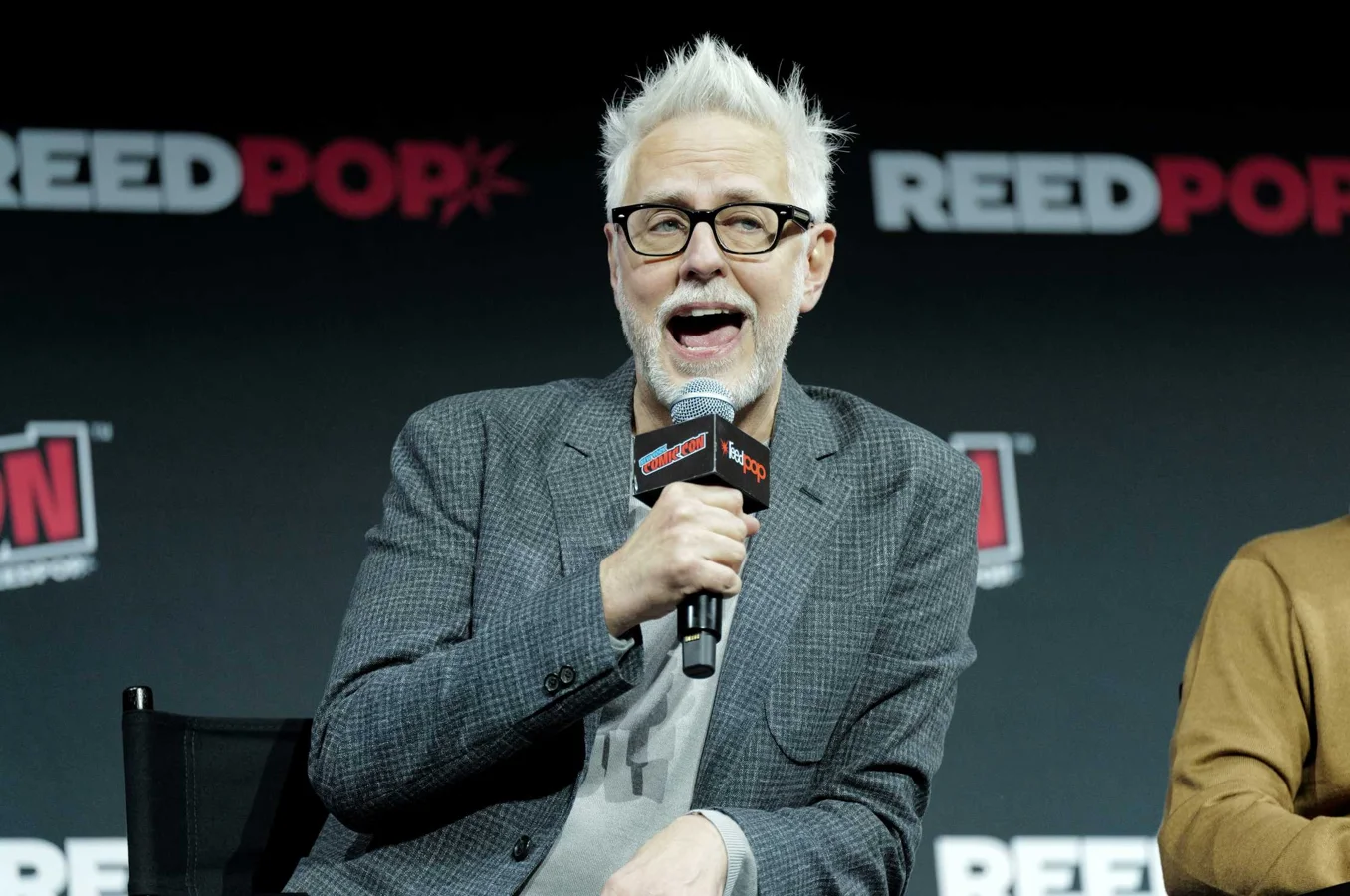
Gunn explained,
“The corporations in themselves aren’t evil. Corporations are amoral… Lex Luthor’s a pretty bad guy, although his corporation has done some great things. Luthor has created a battery, which has made the running of the world a much more efficient process. He has cars that run more efficiently, that are better for clean air. He’s done some really great things for the world, which is the reason for his obsession with Superman. He was considered the greatest guy in the world a few years ago, even though there were Metahumans, and then this guy with dimples and a glint in his eye in a silly costume came in and made him feel like shit, so he’s been sort of obsessed with him ever since and has gone evil…”
—James Gunn, DC Studios co-chair
Intersections Among Factions and the Emerging Conflicts
The DCU showcases a continuous conflict between superheroes and supervillains, while governments pull strings behind the scenes and corporations make strategic moves often out of the public eye. A notable example is Lord Tech’s financing of the Justice Gang, an arrangement that blurs the lines between corporate interests and the superhero world.
This interplay raises questions about power and influence, especially as corporations and governments leverage their resources in ways that could directly challenge one another. Gunn acknowledges that this evolving relationship adds layers of complexity to the DCU narrative, with corporate-backed teams standing alongside or against government initiatives.
The Impact on the Future of the DC Universe
The establishment of three dominant factions suggests a DC Universe filled with nuanced conflicts beyond traditional good-versus-evil battles. The parallel forces of Metahumans, governments, and powerful corporations create a dynamic environment where alliances and rivalries can shift unpredictably. James Gunn’s vision hints at a future where the DCU will explore broader themes of power, morality, and influence within this tripartite system.
As the DC Studios continues to develop stories within this framework, audiences can expect more intricate plots that delve into how these factions interact and compete for control. This multi-layered approach positions the DC Universe to address not just superhero action but also the complex repercussions of power across society.
