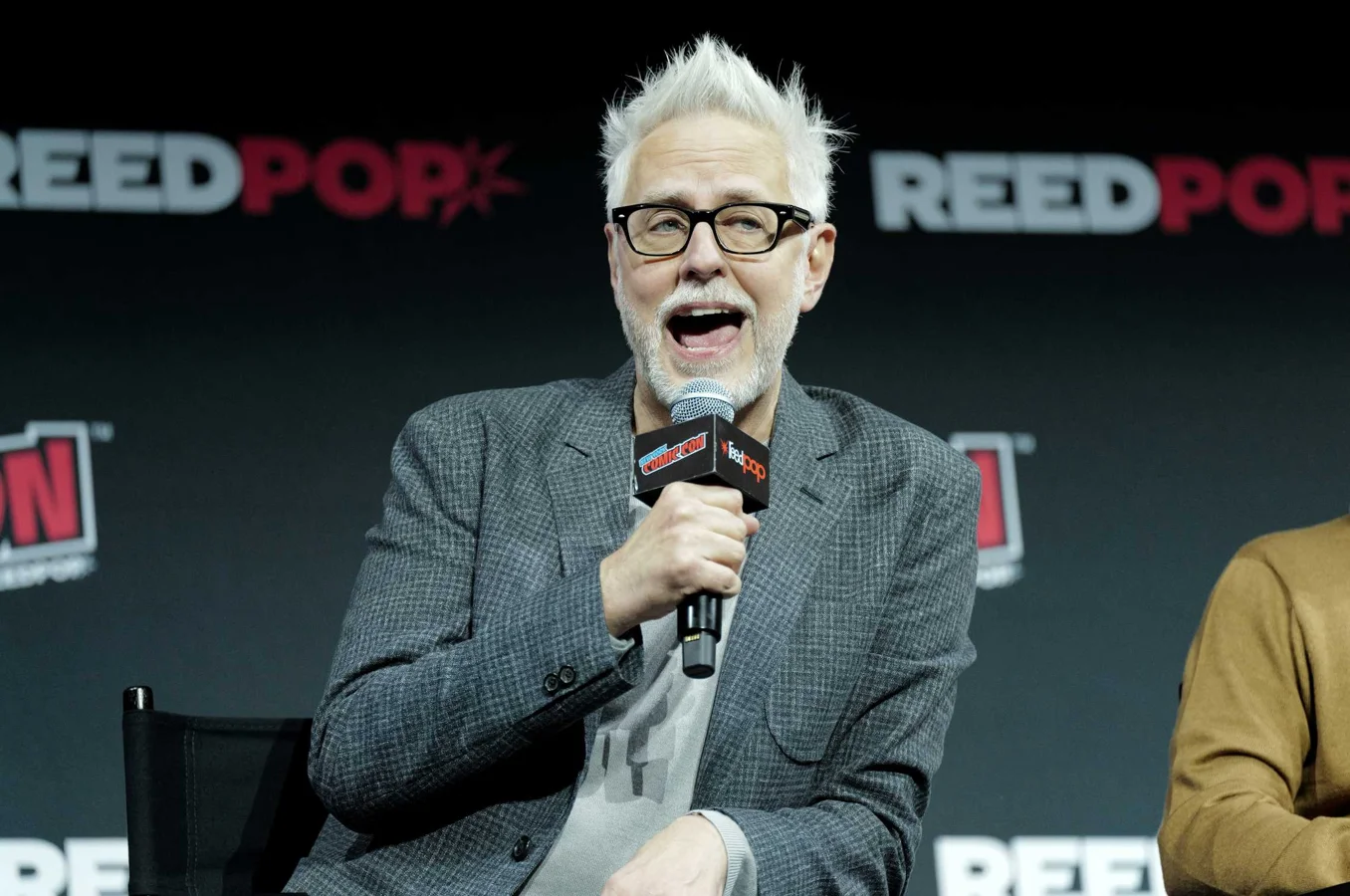
James Gunn ignites Superman immigrant debate, exploring the iconic character as an allegory for modern immigration stories.
Shortly before the release of James Gunn’s latest Supermanfilm, a debate emerged about the character’s status as an immigrant. The discussion involved various individuals connected to Superman’s legacy, including Dean Cain, who expressed differing views on whether Superman can be considered an immigrant in a technical or symbolic sense. Gunn and his brother Sean openly support framing Superman’s story around immigration, integrating these timely social issues into their narrative.
Smallville Creators Align with the Gunns on Immigration Themes
This contention over Superman’s immigrant identity is not new; it has been a subject of creative exploration for many years. The creators of the popular series Smallville, Alfred Gough and Miles Millar, confronted this theme during their tenure on the show in the mid-2000s. Both have publicly supported the Gunn brothers’ direction in treating Superman as a representation of immigration dynamics, agreeing with the approach taken by DC Studios after the Snyder era.
Smallville Showrunners Reflect on the Character’s Symbolism
On the Happy Sad Confused podcast, Millar described Superman as “the ultimate illegal alien,” expressing surprise that this concept was controversial despite its deep roots in the character’s story. He said,
“It’s also interesting, we always saw Superman as a great allegory for immigration, that he was the ultimate illegal alien. The fact that James said, and it’s so controversial, was sort of like, I couldn’t believe, I was like, ‘That’s so embedded in what it is.’”
—Miles Millar
Gough recalled a moment from Smallville’s sixth season, when an episode addressed immigration issues directly. According to him, the network initially hesitated, fearing the topic was too politically charged for the show. He noted,
Image of: James Gunn
“We did an episode in season 6 with, where we sort of talked about it directly. Clark finds a boy who’s working on one of the farms. I remember, at the time, thinking, [because] this is, again, 2006, the network was like, ‘I don’t know…this feels a little political for the show,’ and we’re like, ‘It’s literally the Superman story [laughs], what do you want?’”
—Alfred Gough
Millar stressed how this ongoing controversy about Superman’s immigrant status underscores the character’s enduring power. He explained,
“The fact that it’s still [this] controversial idea…that’s [what] is so great about the Superman story, that I think that’s why its legacy has been so powerful. It really speaks to what the American dream is, and all those sort of elements of Americana.”
—Miles Millar
The Complexity of Defining Superman’s Immigration Status
While Smallville’s creators and the Gunn brothers see Superman as a figure tied to immigration allegory, this perspective challenges traditional interpretations of the character. Superman has long been a symbol of Americana, yet DC has gradually moved away from emphasizing the phrase “The American Way” in his motto, an element noticeably absent in James Gunn’s film. Calling Superman an immigrant is metaphorical and open to interpretation, and defining him as “illegal” provokes further controversy due to the cultural and political sensitivities surrounding that label.
Legacy of Smallville and Its Influence on Current Superman Interpretations
Smallville, which aired from 2001 to 2011, shaped the portrayal of Superman for a generation, influencing contemporary actors like David Corenswet in the current Man of Steel productions. Its legacy is often seen as more straightforward compared to other portrayals, such as Dean Cain’s run on Lois & Clark: The New Adventures of Superman, which is no longer available on HBOMax. As the debate continues around James Gunn’s Superman and its immigrant themes, it reflects broader conversations about identity, belonging, and representation in superhero stories.