
Quentin Tarantino has acknowledged that a pivotal fight scene in the 1970 film The Chinese Boxer profoundly influenced his approach to martial arts choreography, particularly in his two Kill Bill films. Though not primarily known for martial arts cinema, Tarantino’s work on Kill Bill Vol. 1 and Kill Bill Vol. 2 clearly reflects his admiration for the genre, especially the kung fu movies produced during the 1970s by major studios like Shaw Brothers.
As a renowned filmmaker and kung fu enthusiast, Tarantino’s connection to this style is most visible in the detailed homage paid to hand-to-hand combat scenes, highlighting his respect for the classic elements of martial arts cinema.
Appreciation of The Chinese Boxer as a Martial Arts Masterpiece
During a 2020 interview on the Pure Cinema Podcast, Tarantino shared his fondness for The Chinese Boxer, highlighting it as one of his favored kung fu films. This movie, directed and starring Jimmy Wang Yu, features the character Lei Ming, a martial arts student who, after intense training, confronts numerous adversaries in a memorable casino fight scene.
This sequence stands out because Lei Ming combats many foes armed only with his kung fu prowess, without relying on weapons. Tarantino praised this approach, describing the casino fight as “the first of its kind” and, in his opinion, “the best one ever done.”
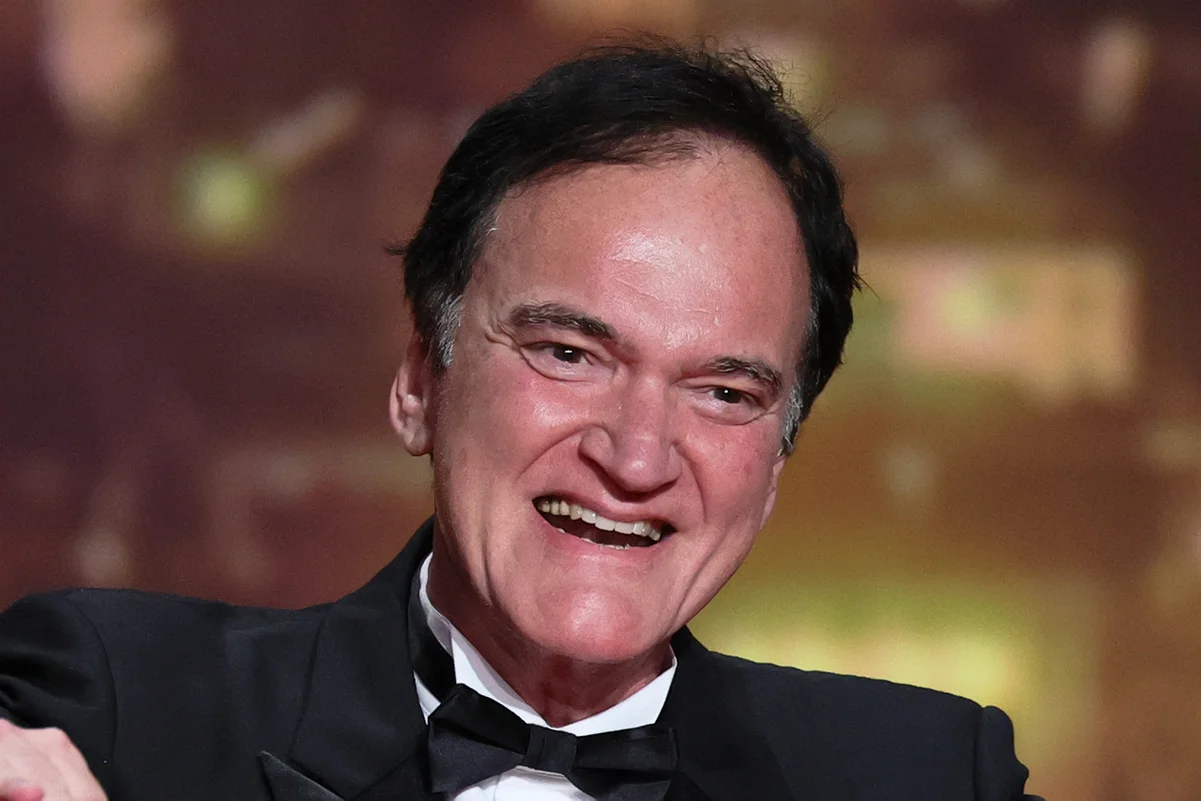
How The Chinese Boxer Inspired the Iconic Kill Bill Fight
Tarantino revealed that while collaborating with renowned action choreographer Yuen Woo-ping on Kill Bill, he referenced various classic fight scenes to shape the film’s combat sequences. Chief among these was the casino battle from The Chinese Boxer, which served as a direct template for the famous House of Blue Leaves showdown in Kill Bill Vol. 1.
In both scenes, the hero faces an overwhelming number of opponents in a confined space, standing calmly as dozens of armed fighters enter the room, creating intense anticipation. Uma Thurman’s character in Kill Bill waits motionless as the attackers surround her, mirroring Jimmy Wang Yu’s Lei Ming in the original.
Additionally, Tarantino included subtle nods to Shaw Brothers’ films by casting Gordon Liu as Jimmy Mo, one of the antagonists in the House of Blue Leaves fight, linking directly to the classic martial arts film era.
The careful positioning of characters and cinematography in this scene reflects Tarantino’s deep admiration and precise recreation of the martial arts aesthetic embodied in The Chinese Boxer.
The Chinese Boxer’s Lasting Impact on Martial Arts Cinema
The Chinese Boxer is significant not only for its influence on Tarantino but also for its pivotal role in reshaping the martial arts genre. Before its release, kung fu films largely focused on swordplay, often presenting brief, decisive battles. Films like Come Drink with Me and The One-Armed Swordsman followed this traditional formula.
Jimmy Wang Yu’s introduction of hand-to-hand combat as the central action in The Chinese Boxer broke new ground, inspiring subsequent films to emphasize kung fu fighting and longer, more dynamic battles. This shift helped elevate the genre, paving the way for classics such as Enter the Dragon and The 36th Chamber of Shaolin, both of which remain benchmarks of martial arts cinema.
Plot and Key Characters of The Chinese Boxer
The film follows Lei Ming, played by Jimmy Wang Yu, a dedicated martial arts student who faces off against a formidable Japanese karate expert named Kitashima, portrayed by Lo Lieh. Through grueling training sequences and fierce confrontations, Lei Ming aims to overcome his adversary and restore honor.
The story’s intensity centers on the struggle between these two fighters, highlighted by the iconic casino fight that has influenced filmmakers decades later.
“the first of its kind and, in his mind, the best one ever done.” —Quentin Tarantino, Filmmaker
