
Alan Tudyk’s career was notably launched by his role as Hoban Washburne in the cult-favorite sci-fi series Firefly, which aired in 2002-2003. After Firefly’s abrupt cancellation, fans’ enthusiasm led to the creation of the 2005 film Serenity, aiming to conclude the story and provide closure. Two decades later, Tudyk stars in Resident Alien, a show that, like Firefly, garnered a dedicated fanbase despite uncertain network support. The series recently concluded its fourth season, leaving some storylines open, which suggests a possibility for continuation similar to Firefly’s revival in movie form.
Both series share a pattern of having passionate followings that outgrew their original runs. While Firefly’s single season ended prematurely due to low ratings and network decisions, Resident Alien endured four seasons amid doubts about its renewal, eventually moving from Syfy to USA Network to extend its run. Showrunner Chris Sheridan acknowledged season 4 might be the final chapter, leading to a series finale that wraps up many threads but purposely leaves others unresolved, inviting potential future projects.
Why a Film Continuation for Resident Alien Makes Sense, Yet Isn’t Absolutely Required
A follow-up movie to Resident Alien would be welcomed by many fans and could address the new character arcs and teases introduced in the finale. The show closes with some narrative threads still dangling—mirrorings of the fate Firefly experienced before Serenity provided its resolution. However, the series finale of Resident Alien itself operates as a competent endpoint, presenting a satisfying farewell to Alan Tudyk’s character, Harry Vanderspeigle, and his circle, tempering the urgency for an immediate sequel film.
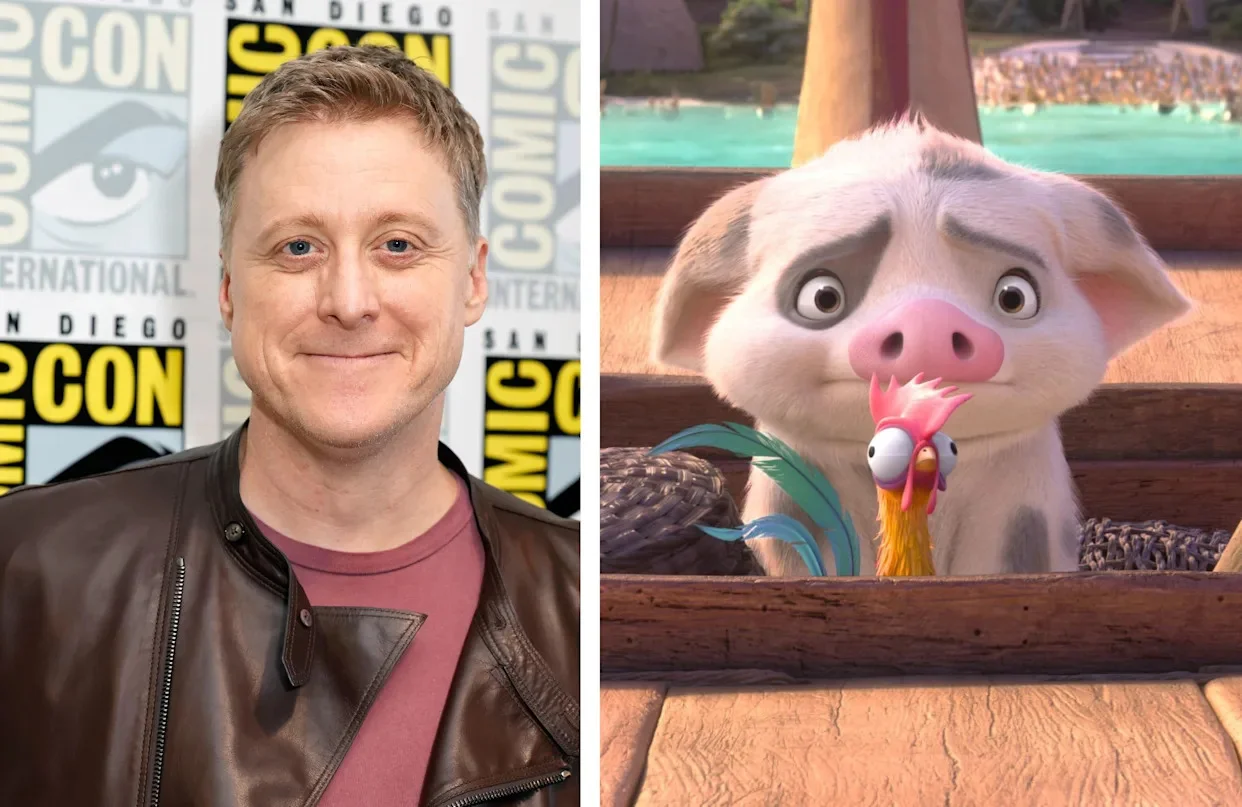
Unlike Firefly, which only produced one season before its sudden cancellation, Resident Alien offers four full seasons for viewers to revisit. Firefly’s fanbase clamored for more content because the original story felt incomplete, leaving Joss Whedon’s vision largely unrealized. Serenity thus became the essential closure Firefly never received. Resident Alien’s conclusion, while hopeful for more, does not carry the same desperate need for resolution, giving the series a more self-contained feel despite its open-endedness.
The Financial Risks of a Resident Alien Movie in Light of Firefly’s Cinema History
The 2005 Serenity movie was critically praised and holds an 82% score on Rotten Tomatoes, but it failed to recoup its production budget, underperforming at the box office. This outcome reflected Firefly’s status as a niche cult hit rather than a mainstream blockbuster, limiting its theatrical appeal. Resident Alien, with a fandom of similar scale and nature, faces comparable hurdles for a theatrical release.
However, the entertainment landscape has significantly evolved since Serenity’s release. Streaming platforms now offer alternate distribution avenues—straight-to-streaming movies can reach large audiences without costly theatrical campaigns. This shift increases the feasibility of a Resident Alien movie succeeding financially and reaching devoted fans where they are, even if its cinematic potential remains uncertain.
Potential Storylines for a Sequel Movie to Continue Resident Alien
Showrunner Chris Sheridan incorporated several narrative threads into the Resident Alien finale that could serve as foundations for a longer feature. Some are less suited for a movie format, such as D’arcy Bloom’s (Alice Wetterlund) new job as a ski instructor or the subplot of Sheriff Mike (Corey Reynolds) and Deputy Liv (Elizabeth Bowen) joining a shadowy organization. These may fit better into a spinoff series or episodic treatment.
The most compelling plotline involves the introduction of Ethan (Michael Cassidy), an alien character who replaces Harry on Earth. Harry entrusts Max (Judah Prehn) with a device to contact him should Ethan turn villainous, which Harry estimates as a 50/50 chance. This potential conflict could drive the primary story arc of a movie sequel, delving into Ethan’s trajectory toward becoming an antagonist.
Other possible adventures unrelated to the finale’s established arcs might exist, but that would overlook the rich narrative groundwork already laid. Given Alan Tudyk’s history with Firefly and its post-show revival, this path suggests Resident Alien could similarly find renewed life through a focused, feature-length project that capitalizes on existing story elements.
The Lasting Impact of Alan Tudyk’s Roles and What the Future Holds for Resident Alien
Alan Tudyk’s portrayal of Hoban Washburne in Firefly remains iconic, and his role as Harry Vanderspeigle in Resident Alien reflects his continued strength in sci-fi and genre storytelling. Firefly’s enduring legacy and the creation of Serenity underscore the opportunities and challenges associated with cult favorites: passionate fanbases that demand more, balanced by financial risks.
The unresolved threads in Resident Alien’s finale highlight a clear intention to leave options open, inviting studios and creatives to consider how best to serve the fan community while managing practical realities. With streaming platforms reshaping content delivery, a movie offering a formal continuation may be the most viable way to sustain the series’ momentum and honor Tudyk’s work.
As audiences revisit both Firefly and Resident Alien, the comparison between these two series becomes increasingly relevant, reinforcing the argument that Resident Alien deserves the same second-chance treatment. Should a sequel movie materialize, it would not only extend the narrative but also cement Alan Tudyk’s unique place in sci-fi television history.
