
Guillermo del Toro’s highly anticipated Frankenstein adaptation is set for a limited theatrical release on October 17th, followed by a global Netflix streaming debut on November 7th. This staggered rollout highlights a persistent challenge for Netflix’s release model, as the platform’s minimal theatrical presence clashes with the demands of a visually indulgent filmmaker like del Toro and the significance of the movie’s timely Halloween season launch.
Netflix’s Minimal Theatrical Releases Underscore Broader Issues
Netflix has consistently prioritized its streaming platform over extensive theatrical releases since its first original film, Beasts of No Nation. Typically, Netflix movies receive only two to three weeks in theaters, just long enough to qualify for Academy Awards consideration, before they move to their primary digital audience. This approach has resulted in many Netflix films lacking physical media releases and significantly diminished traditional cinema exposure.
Unlike competitors Apple TV+ and Amazon Studios, which have adopted more expansive theatrical strategies to boost their films’ cultural footprint, Netflix has doubled down on keeping theatrical runs limited. While some streamer releases have flourished with wide theatrical rollouts, Netflix’s approach remains conservative and inward-focused. Cindy Holland, a leading figure in Paramount’s streaming division, recently emphasized that streaming-exclusive films are not a priority, reflecting an industry trend distancing itself from purely streaming debuts—a trend Netflix seems to resist.
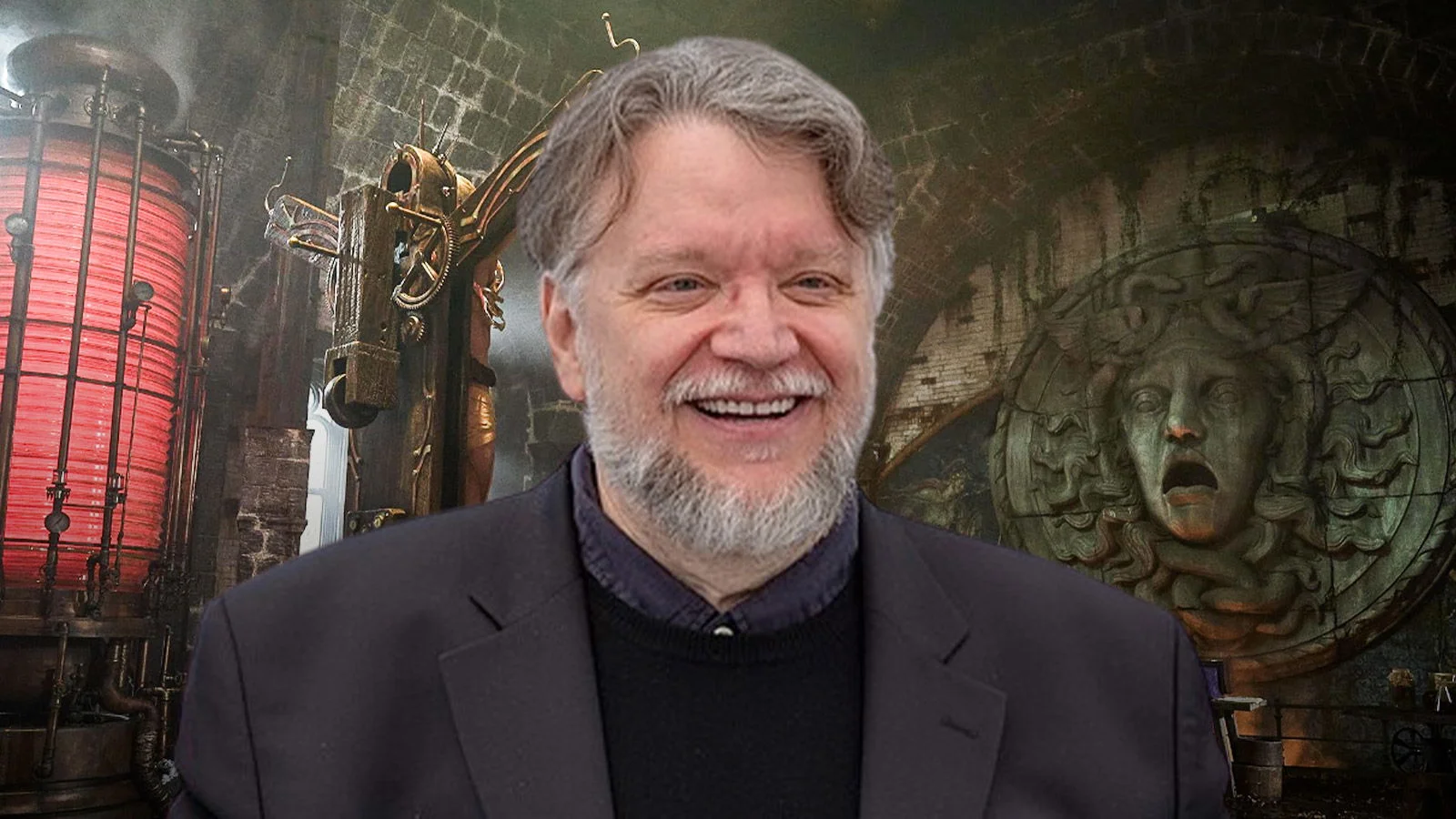
For lesser-known Netflix movies, such as The Out-Laws or Happy Gilmore 2, this strategy may not cause much harm. However, del Toro’s Frankenstein demands a theatrical environment capable of showcasing its lavish visuals in immersive fashion. Restricting the film to a handful of theaters primarily to ensure Oscar eligibility limits access for audiences who would appreciate the film in a dark, distraction-free setting, where the director’s cinematic craftsmanship can fully resonate.
The Exceptions Reveal Netflix’s Reluctance Toward Genuine Wide Releases
One rare departure from Netflix’s typical release strategy was November 2022’s Glass Onion: A Knives Out Mystery, which opened in 698 theaters during Thanksgiving week. Although this was a wider theatrical deployment than usual, the film was pulled from major movie theater chains after only seven days, indicating friction between Netflix and certain exhibitors. Since then, Netflix has not planned similar wide theatrical runs for the sequel, Wake Up Dead Man.
Other studios, like Disney with Greta Gerwig’s The Magician’s Nephew, are staging broader releases, including IMAX screenings, highlighting Netflix’s outlier position. Guillermo del Toro’s Frankenstein, despite its pedigree and visual appeal, will not benefit from such extensive theatrical support, underscoring Netflix’s indifference toward traditional cinemas.
The theatrical experience is critical for films seeking to break through the saturated streaming market. Watching movies in darkened theaters without external distractions enhances emotional engagement and helps elevate visibility. Past del Toro successes such as Pan’s Labyrinth and The Shape of Water demonstrated the power of the big screen in creating unforgettable cinematic moments. Netflix’s decision to confine Frankenstein’s theatrical presence to Oscar-qualifying venues risks diminishing this film’s impact and visibility.
Why Netflix Must Rethink Its Release Strategy for Films Like Frankenstein
Launching Frankenstein with a broad theatrical release could propel the film beyond Netflix’s crowded home interface, where it risks being overshadowed by reality shows and smaller-scale programming. This longstanding Netflix flaw is now affecting one of the platform’s most significant artistic properties and a highly respected filmmaker.
If past Frankenstein adaptations, such as the widely released I, Frankenstein, were granted proper theatrical treatments, it seems reasonable for del Toro’s version—and other major titles on Netflix—to receive comparable attention in cinemas. Such strategy would not only honor the filmmaker’s vision but also potentially improve box office revenue, critical reception, and cultural relevance.
With Frankenstein scheduled for limited theatrical screenings on October 17th and worldwide streaming on November 7th, the coming months will test whether Netflix’s current theatrical model can adequately support the film’s ambitions and audience expectations.
“Guillermo del Toro Has Surprising Tease for New Frankenstein Movie (And Horror Fans May Be Confused)”
—Guillermo del Toro
The debate over Netflix’s release strategy is far from settled, as Frankenstein’s approach spotlights how the platform’s habits may be at odds with the demands of bold, auteur-driven cinema. For a director whose films thrive in the immersive scope of a movie theater, Netflix’s limited rollout could restrict the film’s potential audience and cultural impact.
As Netflix continues to expand its streaming library, the decision to maintain minimal theatrical windows may undermine the visibility of its highest-profile projects. The Frankenstein release presents an opportunity for Netflix to reconsider and potentially broaden its theatrical commitments, creating a more balanced ecosystem between cinema and streaming that serves both artists and audiences more effectively.
