
Director Zach Cregger is taking a fresh, original approach to the Resident Evil reboot by writing his own screenplay and excluding the franchise’s legacy characters. This move, which reflects the well-known Taylor Sheridan creative control approach, allows Cregger to maintain full ownership over his vision and bring a unique story to the screen. His intention is to create a film distinct from previous Resident Evil adaptations, prioritizing creativity and originality.
Cregger clarified in an interview with The Hollywood Reporter that he only directs movies he has personally written, valuing the authenticity that comes from crafting a story himself. His upcoming Resident Evil film is an original screenplay unrelated to previous installments, designed to offer something fresh and unpredictable for fans. This method follows the same path he took with his earlier films Barbarian and Weapons, which received acclaim for their distinctive storytelling.
“That’s an original screenplay, by the way. It’s a weird story. I wrote it, and I love the story. It has nothing to do with any of the other ‘Resident Evil’ movies. If I do my job, it will feel fresh and edgy and weird. I have ‘Resident Evil’, and then I have a sci-fi movie right after that’s original… Then I have another one that I’m working on that feels like ‘Nightcrawler’.” —Zach Cregger
By opting to write and direct his own work exclusively, Cregger ensures that each film carries his distinctive voice. He mentioned that his agents no longer send him scripts because he prefers to concentrate on original projects, underscoring his commitment to ownership in storytelling.
“But all of those are original. My agents don’t even send me scripts, because I’m not going to direct other scripts. I’m in a very fortunate position to be able to write a movie and have a good shot at getting a movie made, [so] why would I not do it if I like to write?” —Zach Cregger
How Taylor Sheridan’s Model Influences Cregger’s Approach to Filmmaking
Zach Cregger’s strategy for his new Resident Evil movie closely mirrors that of Taylor Sheridan, a filmmaker and showrunner renowned for his strict creative control. Sheridan built his Hollywood career by producing original scripts and overseeing every element of his projects, including films like Sicario, Wind River, and Those Who Wish Me Dead, and the popular Yellowstone TV franchise.
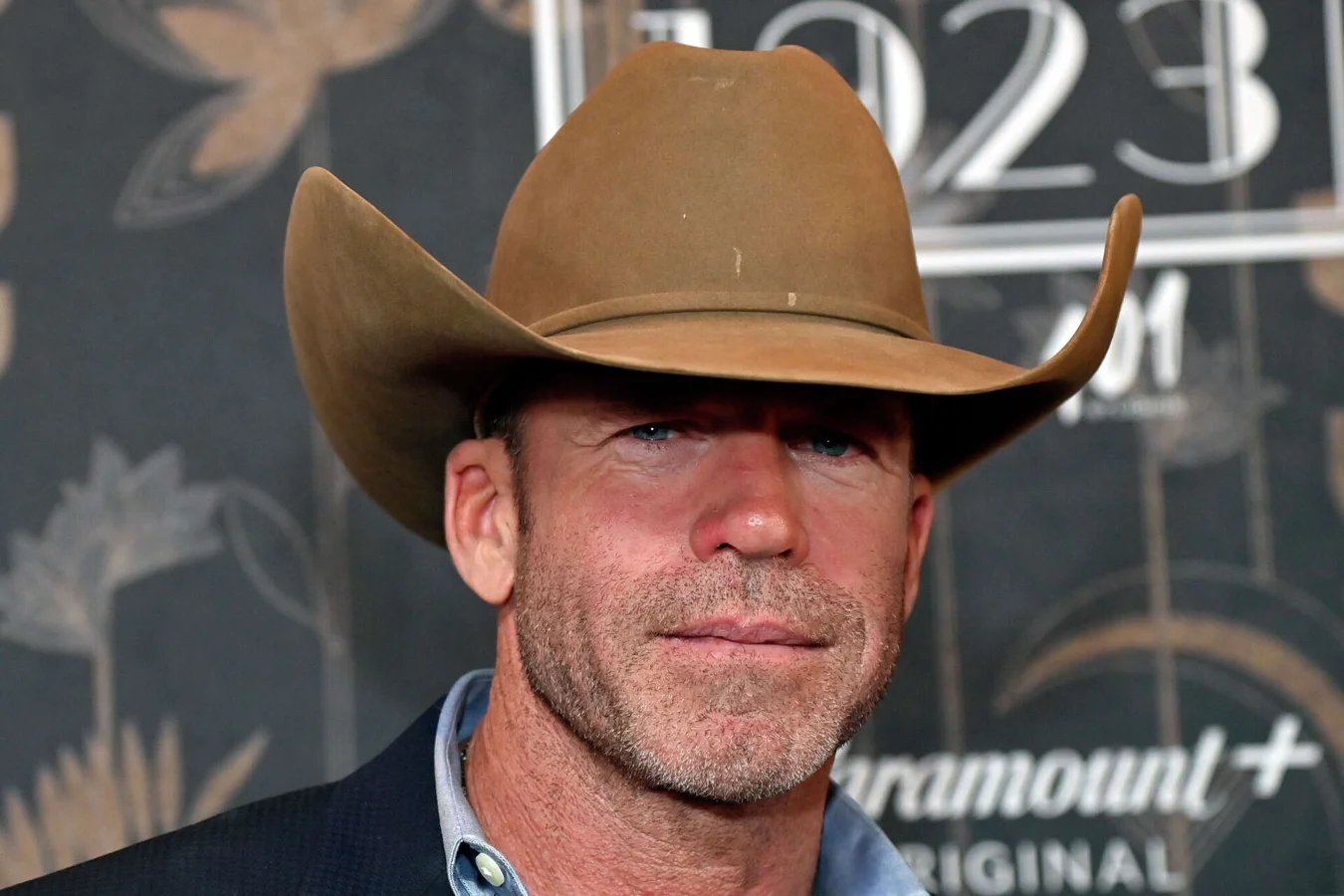
Sheridan’s insistence on owning the narrative from the writing stage to the final production has allowed him to craft deeply personal and coherent stories. Like Sheridan, Cregger is pursuing a filmmaking path that combines writing and directing, thereby maintaining a consistent creative vision throughout the process.
With Barbarian and Weapons, Cregger’s original screenplays resulted in films characterized by their fresh perspectives and unpredictability. His latest Resident Evil reboot continues in that vein, deliberately distancing itself from studio-written scripts or established franchise storylines to explore new creative territory.
Choosing to Leave Behind Iconic Resident Evil Characters in Favor of New Narratives
One of the most daring aspects of Cregger’s Resident Evil reboot is his decision to omit classic characters such as Leon Kennedy, Jill Valentine, Claire Redfield, and Albert Wesker. These figures have been central to previous movies and game adaptations, but Cregger questions whether revisiting them would add value given the depth of their existing portrayals.
By excluding these well-known heroes and villains, he aims to introduce new characters who will confront original threats, thus revitalizing the Resident Evil universe and keeping its narrative unpredictable. Cregger believes that since these iconic figures have been thoroughly explored across media, including video games and earlier adaptations, relying on them again might limit the film’s capacity to surprise audiences.
This strategy represents a significant risk: fans often expect to see familiar faces in franchise films, and ignoring them may disappoint part of the Resident Evil fanbase. However, it also presents an opportunity to break the cycle of derivative storytelling that has plagued some video game adaptations in the past, potentially delivering a horror experience that feels both fresh and gripping.
Past Resident Evil movies and shows have struggled to satisfy fans even when employing known characters, which adds weight to Cregger’s gamble. If successful, his reboot could reset expectations for how video game properties translate to the big screen.
What to Expect and the Future of Resident Evil Under Cregger’s Vision
As Resident Evil fans anticipate the upcoming movie, Cregger’s distinct approach emphasizes originality and creative freedom. His decision to forge new narrative paths while harnessing the Taylor Sheridan creative control approach may result in a film that stands apart from typical franchise installments.
The Resident Evil reboot is scheduled for theatrical release on September 18, 2026. If Cregger’s original screenplay resonates with audiences, it may herald a new era for video game adaptations, where directors steer clear of reusing familiar characters and instead explore uncharted territory to revive fan interest.
Zach Cregger’s commitment to originality, coupled with his respect for the franchise’s legacy, suggests this reboot will challenge conventional expectations and offer a horror experience that feels genuinely fresh and unpredictable.
