
The new DC Universe (DCU) led by co-CEO James Gunn has introduced a decisive policy on actor replacements to ensure continuity and stability within its interconnected storytelling. Gunn recently addressed fan concerns on social media about the possibility of an actor being unable to continue in their role, stating plainly,
If an actor can’t continue a role I’ll change the actor no problem,
establishing a clear precedence of story and character integrity over individual performers. This statement signals a strategic commitment to avoid the casting troubles that other franchises have faced, reinforcing the DCU’s intent to maintain a consistent and stable narrative framework for its films and television series.
Lessons Learned From Past Cinematic Universes Influencing DCU Strategy
The Marvel Cinematic Universe (MCU) pioneered the model of a highly interconnected franchise reliant on consistent actors to portray iconic heroes and villains throughout numerous projects. However, this approach has revealed vulnerabilities, exemplified by the controversy surrounding actor Jonathan Majors, which caused Marvel to distance itself from his character and created a major gap in the Multiversal Saga storyline. This left Marvel scrambling to redirect its antagonist arc, shifting focus unexpectedly to Robert Downey Jr.’s Doctor Doom to compensate. Learning from these challenges, the DCU under Gunn is emphasizing flexibility in casting to prevent disruptions that could stall or alter entire story arcs.
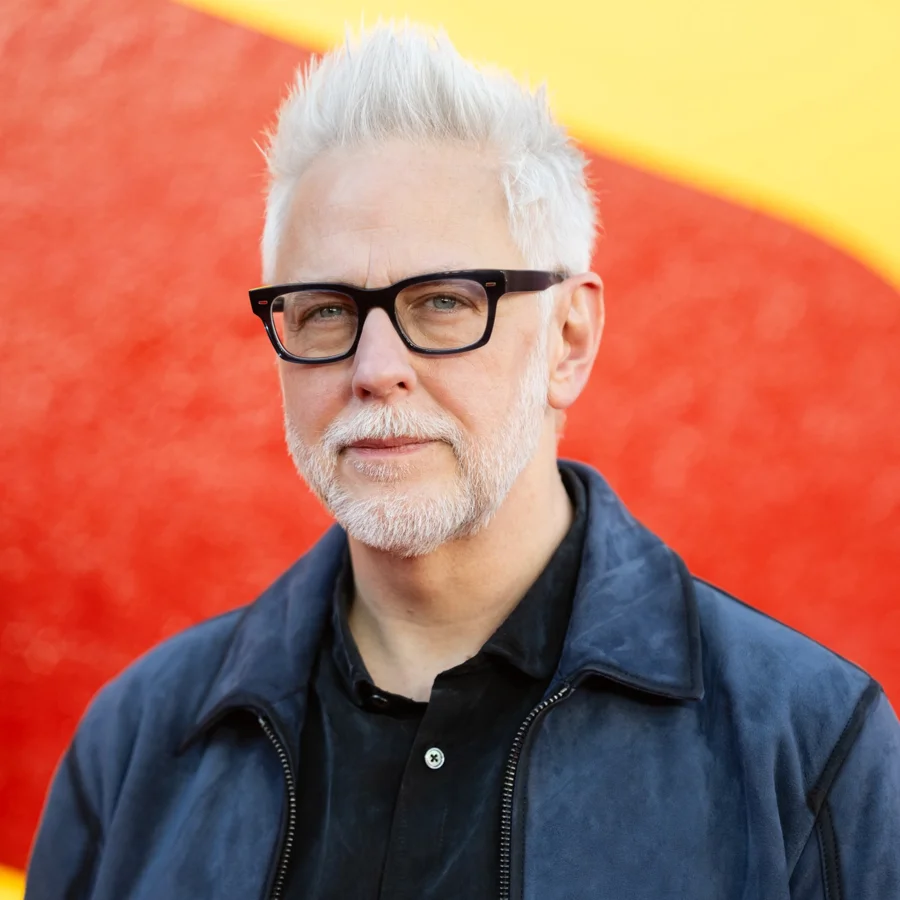
A Story-First Framework Guides DC Studios’ Decisions
James Gunn and fellow co-CEO Peter Safran prioritize scripts and story development, refusing to advance productions until the creative vision meets their standards. This philosophy contrasts with a growing industry trend where release dates are fixed well in advance, compelling rushed production schedules despite incomplete screenplays. For example, the MCU’s upcoming Avengers: Doomsday is reportedly still undergoing script revisions even after months of filming. In contrast, Gunn’s insistence on creative readiness means projects like The Authority are postponed to guarantee narrative quality, even if this delays production. The leadership’s disciplined approach reflects an earnest effort to build the DCU on strong storytelling foundations rather than forcing rigid scheduling.
Early Successes Affirm DCU’s Narrative and Casting Philosophy
The DCU’s strategic focus on story has already led to critical and commercial achievements. Its launch with the animated series Creature Commandos received considerable praise from critics for its quality, followed by the theatrical release Superman, which achieved notable box office success alongside positive reviews. Similarly, Peacemaker Season 2 sustained the momentum by blending humor, action, and compelling character development, earning near-perfect ratings. By detaching a character’s identity from any one actor, Gunn’s recasting policy adds adaptability to the DCU’s creative model, ensuring the franchise’s continuity regardless of casting challenges or external circumstances affecting performers.
The Implications of a Flexible Casting Policy for DCU’s Longevity
The commitment to recasting actors when necessary protects the DC Universe from the risks of being tied to a single individual’s availability or public controversies, fostering resilience within the sprawling franchise. This ensures that characters can be reinterpreted and stories can progress uninterrupted, preserving the audience’s engagement with the universe rather than specific actors. This policy reflects a thoughtful and earnest effort by DC Studios to build a cinematic world that can withstand the unpredictability of the entertainment industry, promising fans a more dependable and cohesive viewing experience in the years ahead.
