
Marc Shaiman, the acclaimed composer and lyricist, has finally revealed the song he wrote for Robin Williams to perform at the 2005 Oscars, which ABC decided was too scandalous for broadcast. The song, written for Williams to present the Best Animated Feature award, was intended as a satirical commentary but was ultimately pulled before the ceremony due to heavy censorship demands. This revelation offers insight into the tension between creative expression and network restrictions during a high-profile awards show.
Background and Creation of the Song
Shaiman, who is close to achieving an EGOT, collaborated with lyricist Scott Wittman to write the song after being contacted by David Steinberg, Robin Williams’ manager at the time. Steinberg explained that Williams was set to present the award and that they wanted to craft a comedic song inspired by a recent controversy. Far-right evangelical James Dobson had called for a boycott of the popular children’s show SpongeBob SquarePants, alleging the show promoted a pro-tolerance agenda and implied the character was gay.
The song was designed to poke fun at Dobson’s protest by highlighting absurd and outrageous rumors about famous animated characters. Despite the satirical approach, the network objected to the content, citing concerns over explicit references and potentially controversial subject matter.
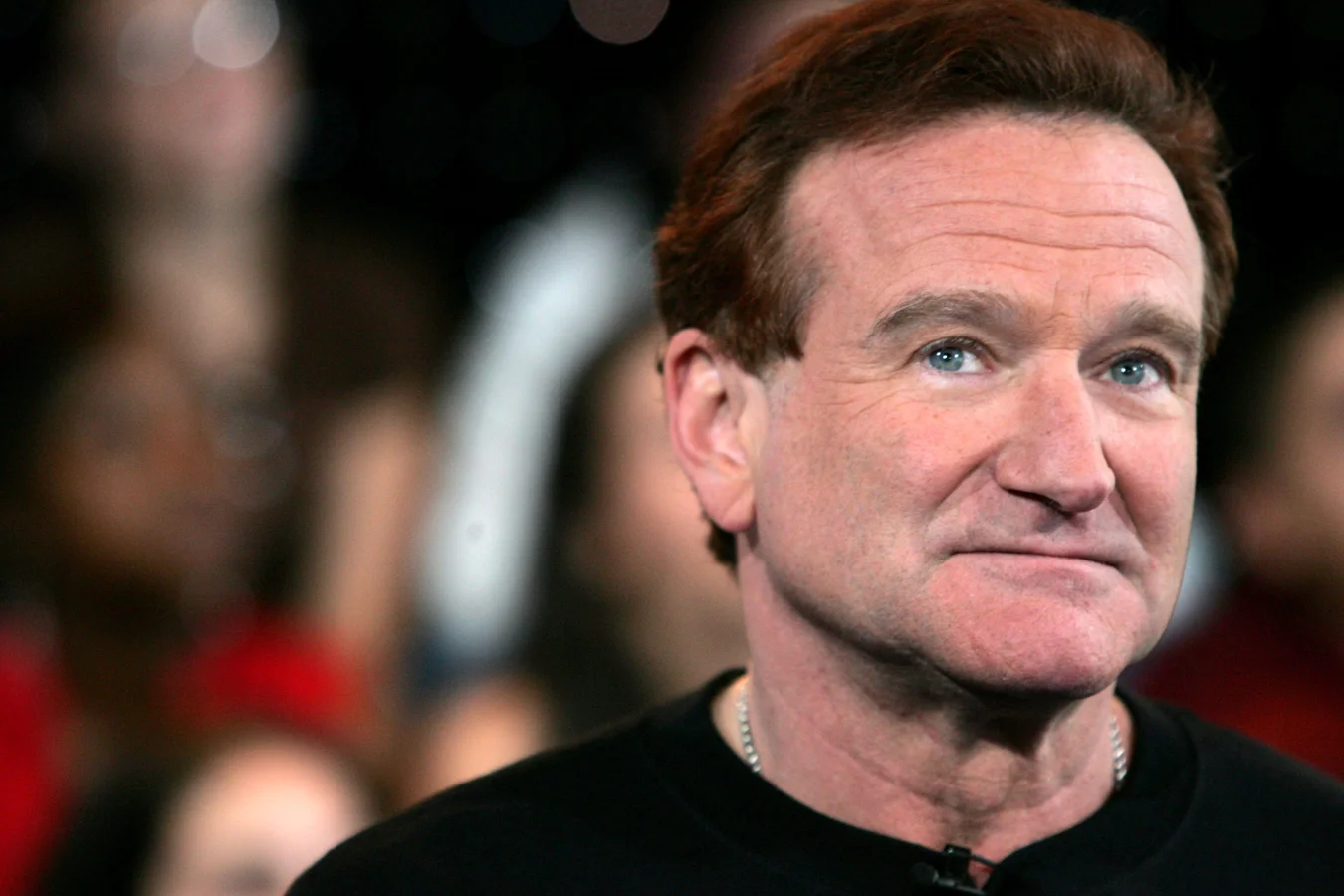
Network Censorship and Artistic Frustration
According to Shaiman, ABC imposed so many restrictions that the creative team eventually decided to withdraw the song altogether. In his Instagram post, Shaiman expressed regret, saying the song might have been censored even more heavily if written today. He lamented the missed opportunity for Williams to perform the piece with a full choir and orchestra, emphasizing the difference between the original demo and what could have been an unforgettable live moment.
Lyrics That Sparked Controversy
The song included several provocative and comical lines that satirized beloved animated characters: claims such as “Sleeping Beauty is popping pills,” “Superman is on steroids,”
“Chip ’n’ Dale both are strippers,”
and “Bugs Bunny’s a sexaholic.” Other lyrics referenced Jessica Rabbit being “really a man,” Olive Oyl’s alleged anorexia, Casper’s affiliation with the Ku Klux Klan, and Cinderella’s involvement in identity theft. These exaggerated elements aimed to underscore the ridiculousness of Dobson’s campaign and the broader culture wars surrounding children’s entertainment.
Insight into the Censorship Battle and Public Reaction
Shaiman also pointed to an essay he wrote for Entertainment Weekly in 2005 that detailed the ongoing clashes with Oscars producers and network executives. The primary objections included the direct naming of Dobson, the mention of drug use on prime-time television, and the use of words like “strippers” and “sexaholic.” Shaiman questioned the network’s fear of potential legal repercussions, wondering,
“Where was their sense of the ridiculous?”
—Marc Shaiman and
“more importantly, who were they afraid was going to sue, Casper or the Klan?”
—Marc Shaiman
The Conclusion of the Project and Its Broader Implications
After repeated demands for changes and watered-down versions, Shaiman and Wittman exhausted their patience and ultimately withdrew the song. Shaiman reflected on their frustration, stating,
“Unfortunately, by this point, Scott and I had also lost our sense of humor, and knowing it would be impossible to rewrite this song in a way that pleased these time travelers and ourselves, we pulled the number.”
He added,
“If this silly song caused the powers that be so much grief, it boggles the mind to imagine what else is censored ‘on our behalf’ every day, far away from the Kodak Theatre.”
—Marc Shaiman
This incident highlights ongoing tensions between artists, networks, and cultural gatekeepers, raising questions about censorship, free expression, and the limits of satire in mainstream media events. Fans of Robin Williams and awards show history now have access to this previously hidden piece of Oscar lore, shedding new light on the behind-the-scenes challenges faced by creatives on one of Hollywood’s biggest nights.
