
James Gunn has clarified that the DC Universe’s version of Maxwell Lord, as portrayed in the new Superman film, draws more from the character’s original comic book persona—a sly businessman—rather than the recent darker, villainous interpretations. This distinction comes amid the evolving tone of the DCU, marking a departure from the typical supervillain image many fans expected.
Maxwell Lord’s Origins as a Conniving Entrepreneur
Maxwell Lord first appeared in the 1987 comic Justice League International Vol. 1, created by Keith Giffen, J.M. DeMatteis, and Kevin Maguire. Initially presented as the owner of Maxwell Lord Enterprises, Max was portrayed as a somewhat slimy but not especially malevolent businessman. His main goal was to unite and control the Justice League, aiming to boost both his reputation and fortune.
Although the reformation of the team brought about positive results, it was later uncovered that Max had been unknowingly manipulated by Kilg%re, a rogue super-intelligence intent on using Max’s influence to infiltrate global computer networks and take over the world through technology.
From Mind Control to Redemption
Following a failed assassination attempt that snapped Maxwell out of his manipulation, he destroyed Kilg%re’s mechanical control and sought to redeem himself, reinventing his role as a promoter and financial supporter of superheroes. Max stayed with the Justice League International as a publicity agent and backer, switching to a more supportive position rather than a direct antagonist.
His life took a drastic turn after the 1989 Invasion! crossover event, when a Gene Bomb transformed him into a metahuman with the power to control others’ minds. This change was a significant development in his character, adding complexity to his role within the comics.
Trials and Transformation Through Crisis
Maxwell faced numerous hardships, including having his mind hijacked by the Extremists, a villainous group, which led to his use as a weapon against the Justice League. Later, a brain tumor threatened his life, forcing his consciousness into a robotic body once owned by the villain Lord Havok. The murder of his mother by Cyborg-Superman during an assault on Coast City added personal trauma. Throughout these experiences, Max continually demonstrated efforts to change, even if his motivations sometimes appeared selfish or flawed.
One of his more consistent actions was his dedication to keeping the original Justice League International’s less celebrated members in the spotlight, despite often facing financial and ethical challenges.
The Blue Beetle Incident and Villainous Reinterpretation
A pivotal moment in Maxwell Lord’s history came in a storyline penned by Geoff Johns, Greg Rucka, and Judd Winick. In this arc, the second Blue Beetle, Ted Kord, uncovers a covert plan by the secretive organization Checkmate to monitor and eliminate metahumans worldwide.
Before Blue Beetle can warn the Justice League, he is assassinated by Maxwell Lord, revealing Max’s role as the mastermind behind an anti-metahuman conspiracy. This retcon dramatically shifted his persona towards a ruthless villain who would stop at nothing to achieve his goals.
Endurance of Maxwell Lord’s Villainous Image Across Eras
Despite some extreme changes to his character, Maxwell Lord’s identity as a villain has persisted through various major DC events. His antagonistic role remained intact through the Blackest Night/Brightest Day crossovers, the New 52 reboot, and the Doctor Manhattan-driven Doomsday Clock storyline, continuously reaffirming his villainous nature in DC’s narrative.
James Gunn’s Vision Contrasts with Recent Interpretations
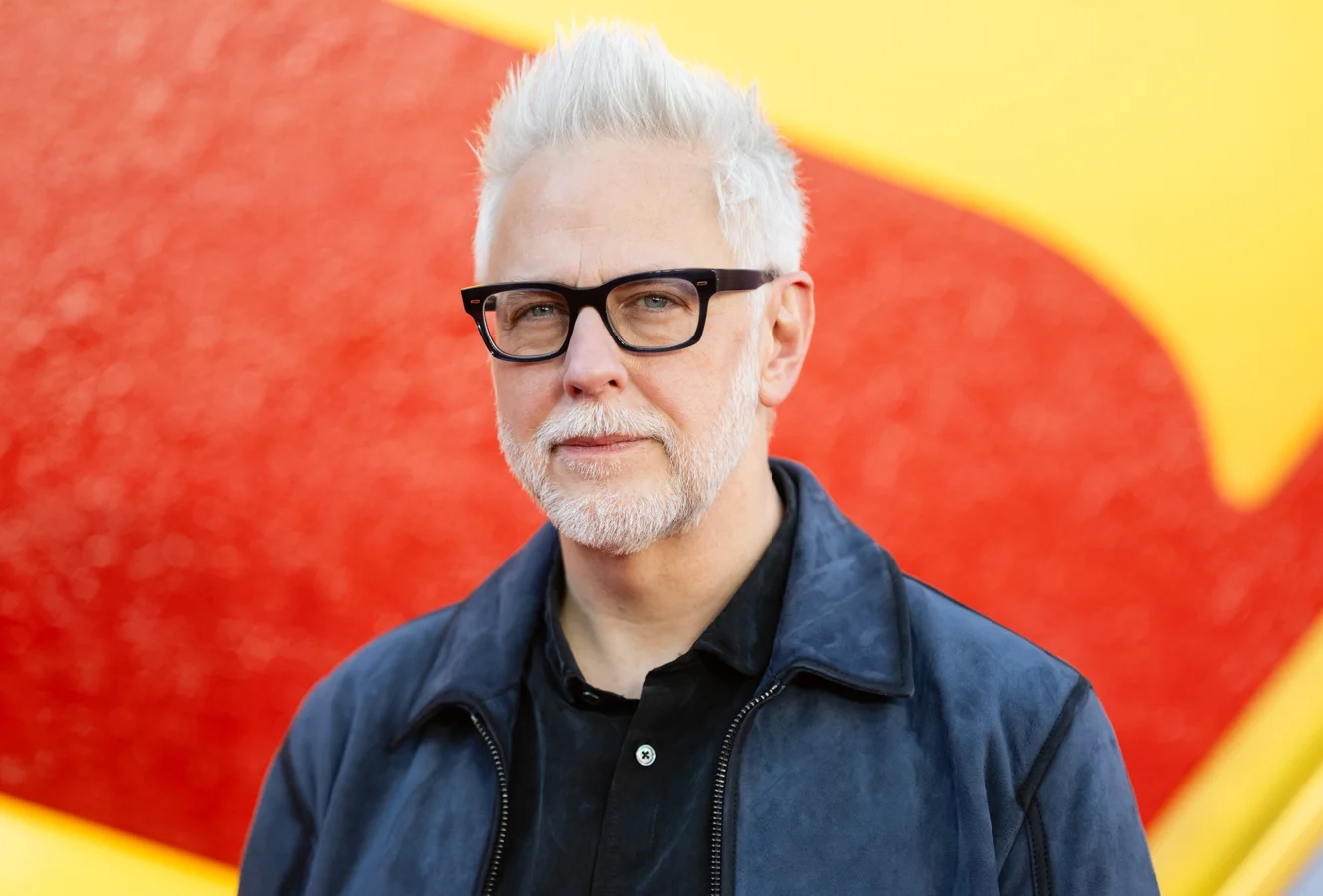
While DC editorial continues to embrace the villainous Maxwell Lord, James Gunn, DC Studios Co-CEO, has expressed a distinct preference for the character’s earlier, more nuanced depiction. Responding to a fan’s inquiry about Max’s villainous reputation, Gunn remarked,
“the guy that’s funding the Justice Gang is Maxwell Lord; isn’t that character a villain in the comics?”
Gunn explained,
“Max was retconned as a sort of muscular evildoer after originally being conceived by [DeMatteis] as a multi-layered character who was morally gray. Along with skinny Amanda Waller, it wasn’t one of my favorite comic reimaginings.”
He further confirmed,
“Our Max is inspired by the originally version,”
adding,
“So don’t be waiting for him to shoot Blue Beetle in the face.”
The Implications for Maxwell Lord’s Role in the DC Universe
James Gunn’s approach suggests a more subtle, morally complex Maxwell Lord whose motivations are less about outright villainy and more rooted in ambition and gray ethics. This version could reshape how the character interacts with the Justice League and other heroes, impacting future storylines in the DCU.
By returning to the original conception of the character, Gunn enables a departure from recent trends of shock-value transformations and offers a chance to explore Maxwell Lord’s personality with more depth and nuance, potentially broadening the narratives available for the Justice Gang and the larger DC landscape.
