
Since James Gunn announced his new cinematic universe for DC Studios, fans have been eager to see how it would differ from Marvel’s Cinematic Universe. With the release of Superman in July and Peacemaker season 2 shortly after on HBO Max, it is clear that James Gunn shakes up DCU style by creating a universe that boldly defies expectations and embraces diversity in storytelling.
Breaking Away from Marvel’s Established Template
Having directed the Guardians of the Galaxy trilogy for Marvel, many anticipated Gunn might replicate a similar tone and style for the DCU. However, the emerging DC Universe shows a deliberate shift, rejecting the repetitive formula that has dominated Marvel’s offerings since Iron Man’s success in 2008. Robert Downey Jr.’s improvisational take on Iron Man set a standard for the MCU early on, but over time, many Marvel films have settled into a predictable pattern that some viewers find monotonous.
Films like Thor, directed by Kenneth Branagh, and Captain America: The First Avenger by Joe Johnston showcased distinct directorial signatures in the MCU’s first phase. Since then, Marvel Studios has prioritized uniformity to create a cohesive house style that emphasizes studio control over individual creativity.
Marvel’s House Style and Its Consequences
Across nearly 40 films and several TV shows, the MCU developed a recognizable visual look, similar comedic rhythms, and familiar plot devices, such as the recurring need to close some interdimensional threat. This house style places the Marvel brand at the forefront, often leaving filmmakers’ unique voices secondary.
This approach once provided a reliable formula for entertainment — audiences expected humor, action, and triumphant heroics. However, it has also contributed to widespread fatigue among fans and critics alike. Marvel Studios president Kevin Feige acknowledged this shift, commenting before the release of Fantastic Four: First Steps that the studio’s increasing output began to detract from quality. In his words:
For the first time ever, quantity trumped quality,
—Kevin Feige, Marvel Studios President
Feige pointed out that juggling multiple simultaneous projects starting in 2019 strained the creative process, leading to diminishing returns and a loss of distinctiveness in Marvel’s content.
James Gunn’s Vision to Revitalize DC Studios
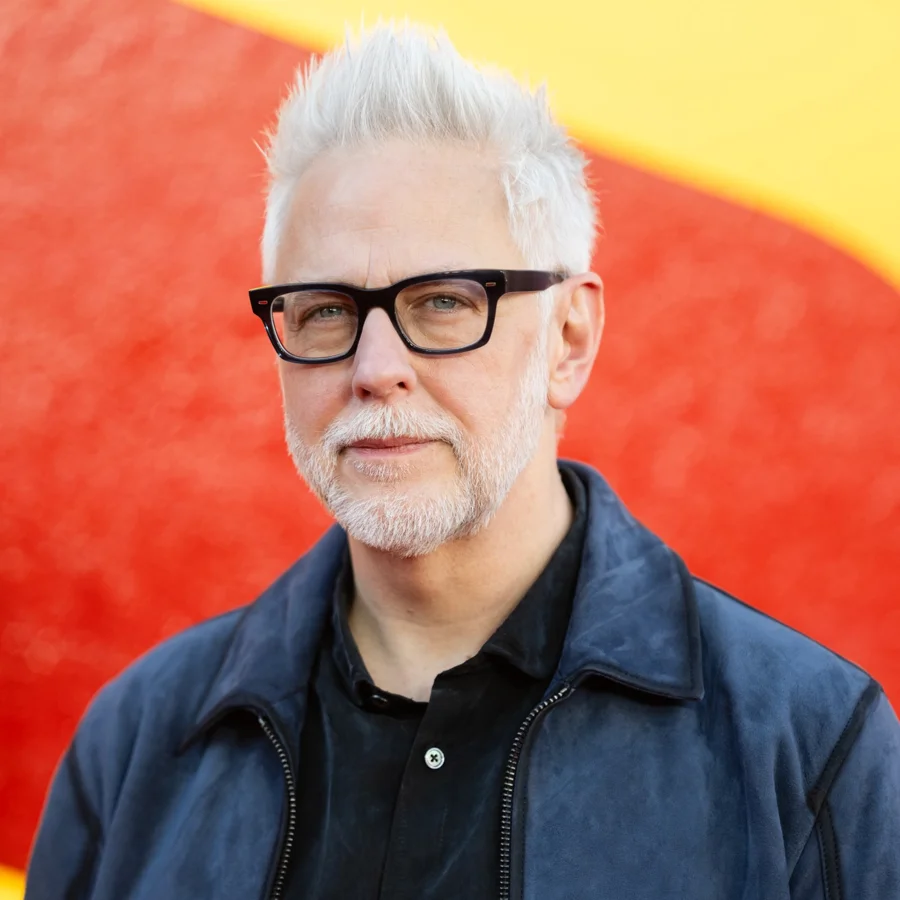
In contrast, James Gunn is taking a more deliberate and individualized approach to the DC Universe’s development. He has emphasized patience and creativity by refusing to approve scripts until they meet his standards, highlighting his goal to avoid formulaic storytelling and uninspired filmmaking.
Gunn stated in an interview on CBS Mornings:
It’s not like every movie is gonna be like Superman. The artists and the directors and the writers that create each one will bring their own sense to it… We don’t want people being bored.
—James Gunn, Filmmaker
This mindset is evident in the DCU’s early projects. Superman, released in theaters, offers a brightly colored, hopeful family narrative with whimsical elements such as the playful CGI dog Krypto and rivers of anti-proton blocks reminiscent of Minecraft’s blocky aesthetics. Meanwhile, Peacemaker season 2 takes a drastically different turn by exploring the violent, raw trauma of its main character, featuring graphic scenes and mature content rarely seen in superhero shows.
Diversified Storytelling within the DC Universe
The future slate of DC Studios projects reflects this eclectic approach. Upcoming films include the chaotic, alcohol-fueled adventures of Supergirl and a body horror film centered on Clayface. Although The Batman: Part 2 exists outside the DCU, it further illustrates Hollywood’s varied interpretations by continuing Matt Reeves’ gritty crime saga.
Animation also plays a role, with ambitious projects like the CGI/puppet hybrid Dynamic Duo focusing on two Robins, and HBO has greenlit a True Detective-inspired Lanterns series, along with the monster-filled Creature Commandos animated show. This variety promises something for every taste, straying far from the uniformity associated with Marvel’s cinematic offerings.
Stylistic Freedom Fuels DCU’s Unique Identity
Unlike the MCU’s consistent tone, the DCU under Gunn is embracing contrast, allowing filmmakers and writers full artistic freedom. This stands in stark contrast to Marvel’s “house style” that sometimes sidelines bold experimentation. By offering a range of genres and styles—whether adult drama, family-friendly adventure, or outlandish CGI spectacle—the DC Universe aims to attract a broader and more diverse audience.
This strategy mirrors the comic book industries’ historic success, where major publishers like Marvel and DC have long balanced established styles with periods of radical reinvention. Throughout their histories, they have been defined not by repetitive storylines, but by innovations that push characters and narratives in new directions. These bold changes are often what fans remember and celebrate, rather than endless iterations of familiar battles, like Spider-Man‘s repeated clashes with Sandman or Batman’s gloomy rooftop encounters with Commissioner Gordon.
The Future Path for DC Studios and What It Means for Fans
The MCU made a profound impact by redefining superhero films and dominating popular culture for nearly 20 years. Now, with James Gunn at the helm, the DCU is poised to challenge that dominance by shaking up expectations and embracing a multi-faceted approach to storytelling. Fans can expect a universe where they can choose diverse experiences rather than a single, repetitive formula.
Though it is still early in this new era—just weeks into Superman’s theatrical release and Peacemaker’s season 2 debut—Gunn’s commitment to creative variety suggests the DC Universe will continue to surprise and engage audiences with a freshness rarely seen in big-budget superhero media.
Superman is currently available on digital platforms, and DC fans can look forward to upcoming titles from DC Studios that promise to expand and diversify the superhero genre beyond the familiar formula.
