
In 1982, Clint Eastwood created a distinctive chapter in his career with Honkytonk Man, a film that diverged from his typical rugged western roles. Set during the Great Depression, Eastwood plays Red Stovall, an ailing country musician striving to achieve his dream of performing at Nashville’s Grand Ole Opry, a story that reveals a softer side of the actor often known for tough, stoic characters. This portrayal, supported by his son Kyle Eastwood’s role as his nephew Whit, highlights the emotionally complex journey that defines this memorable film.
A Departure from Eastwood’s Typical Characters
Unlike the cold, ruthless gunslinger in his earlier westerns such as The Outlaw Josey Wales and High Plains Drifter, Eastwood’s Red Stovall is a mix of grit and vulnerability. Although Red carries a hard exterior shaped by hardship, he possesses an underlying compassion that shines through, making him approachable and relatable. Throughout the film, Red’s struggles with alcoholism and illness drive a narrative punctuated by moments of humor and tenderness, especially as he depends on his nephew Whit, affectionately called “Hoss,” to look after him despite the boy’s youth and innocence.
The film’s emotional depth is amplified by this relationship, which blends comedy with tragedy. From Red’s failed attempts at success to Whit’s coming-of-age experiences, the interaction between the two characters adds warmth to a story about dreams deferred and familial bonds. This complexity is a welcome deviation from Eastwood’s usual portrayals, underscoring his ability to convey a more delicate, human side without sacrificing his trademark authenticity.
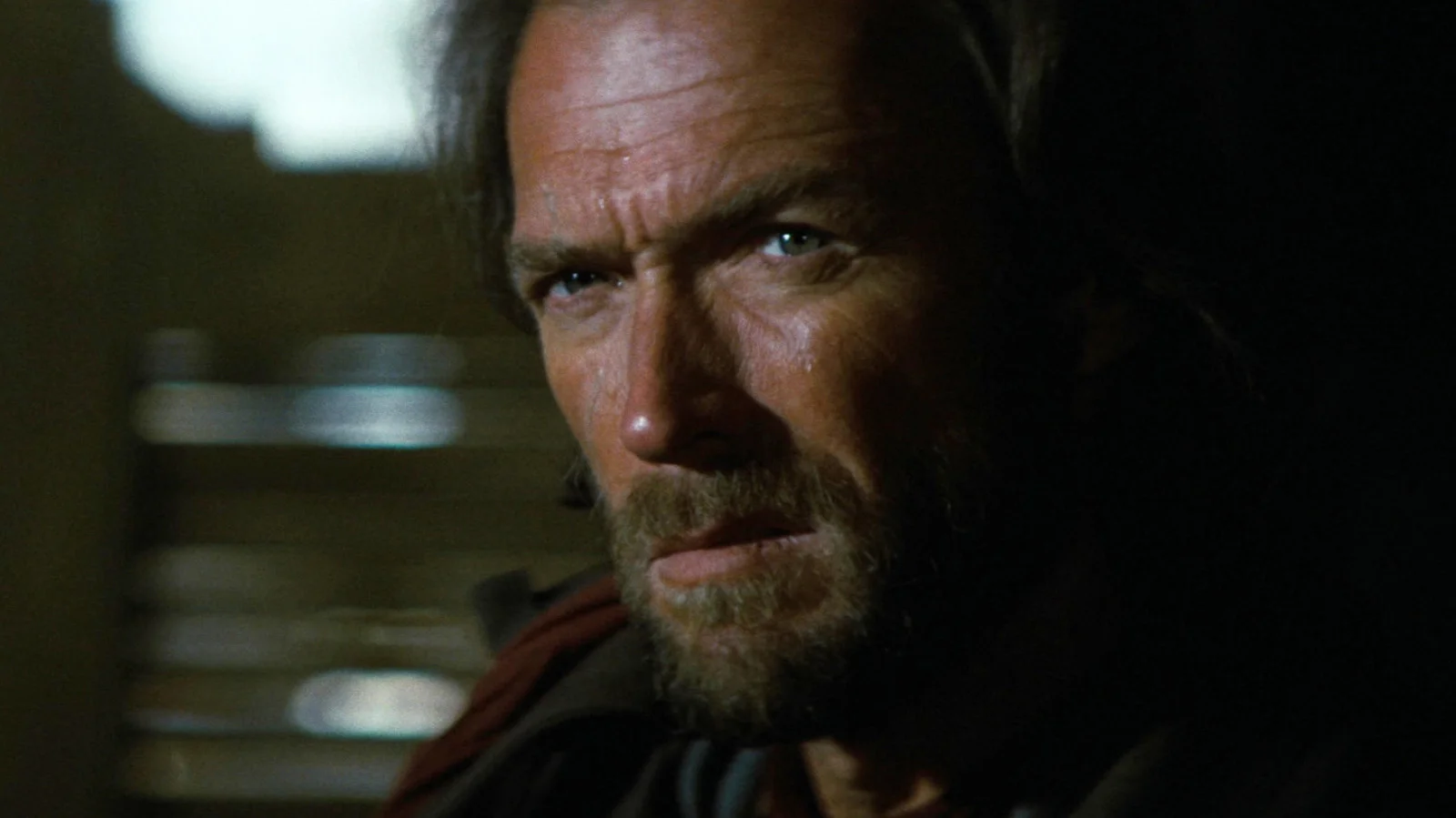
By embracing this different genre and character type, Clint Eastwood demonstrated that his range extended beyond the archetypal tough guy, revealing the nuanced layers of a man facing terminal illness and unfulfilled aspirations. Honkytonk Man remains a standout in Eastwood’s filmography, pairing subtle vulnerability with his enduring screen presence.
The Personal Dynamic at the Heart of the Story
The casting of Eastwood’s son, Kyle, as Whit adds a genuine familial dimension to the film, giving the story additional texture and authenticity. While Kyle was relatively inexperienced at the time, his natural rapport with his father brought an effortless sincerity to their on-screen interactions. This father–son dynamic intensifies the emotional impact of the storyline, especially during key moments when Red’s dreams seem just out of reach but remain deeply felt.
As Red succumbs to tuberculosis near the film’s conclusion, the emotional weight culminates in a tender scene where he reaches for Whit’s hand in his final moments. This gesture symbolizes the passing of hope and legacy from uncle to nephew. The closing moments, with Whit donning Red’s hat and guitar, accompanied by the song “Honkytonk Man” playing on the radio, signify the bittersweet achievement of a dream that had once seemed unattainable. It is a testament to the enduring spirit of the characters and the film’s central themes of perseverance and family bonds.
Eastwood’s deliberate pacing and focus on emotional complexity distinguish Honkytonk Man from the faster-paced, action-driven westerns of his past. This approach allows the audience to connect deeply with the characters’ struggles and hopes, emphasizing the importance of legacy and the values passed between generations.
