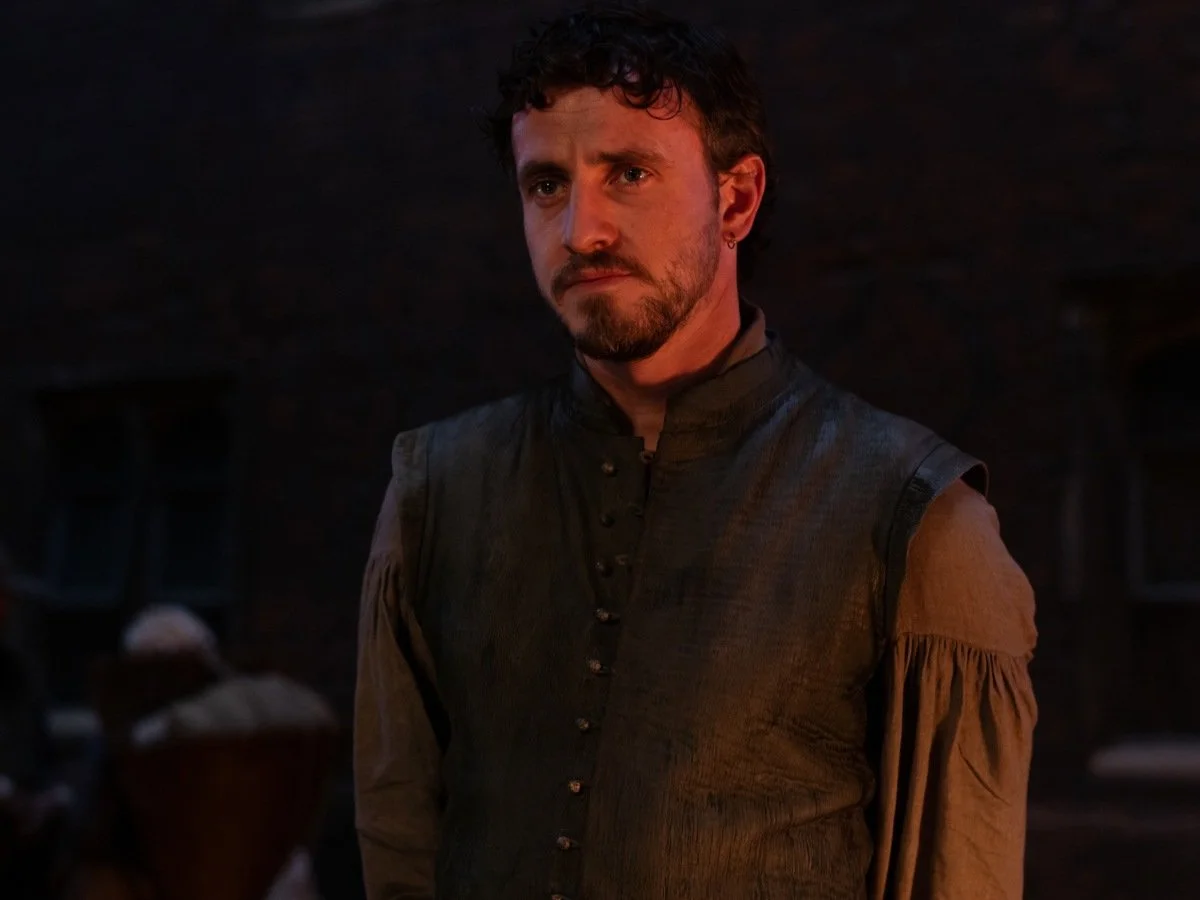
Paul Mescal stars in 'The History of Sound,' exploring love's complexities, debuting at the 2025 Cannes Film Festival.
During 2020’s pandemic, director Oliver Hermanus split his time between collaborating with Kazuo Ishiguro on the Oscar-nominated filmLiving and adapting Ben Shattuck’s novelThe History of Sound. Despite having acclaimed actorsPaul Mescal and Josh O’Connor attached, the film encountered a challenging four-year path before finally moving into production. While Living reached theaters in 2022, The History of Sound endured several delays, including strikes and financing obstacles, before premiering at the 2025 CannesFilm Festival. The movie will open in multiple territories, including the United States, via MUBI next month, with a final festival screening set for Telluride 2025.
Overcoming Financial and Scheduling Challenges
The path to producing The History of Sound was riddled with setbacks, from financier hesitation to actors’ conflicting commitments. Hermanus revealed the frustrations of dealing with A24, which initially offered a modest $8 million budget that couldn’t support shooting key scenes in Europe. This forced the team to either compromise the central storyline or seek alternative financing. Hermanus explained the crucial choice:
“That’s a moment where you have to go, ‘Thank you so much, A24, but I’m gonna, you know, have to roll the dice somewhere else because I’m not prepared to let go of that aspect of the storyline.’ So, then you start from scratch,”
he said.
One major adjustment due to scheduling and weather was shifting the trip depicted in the story from summer to winter since filming took place in colder months. Hermanus worked with Shattuck to adapt the script accordingly.
Image of: Paul Mescal
“I think I can make that work,”
the author responded, allowing the team to creatively navigate challenges. These compromises extended to practical concerns like wardrobe and extras, which strained the limited budget because every background actor required period-appropriate costumes.
The Impact of Fame and Industry Realities on Production
Despite the screenplay remaining consistent for years, the film’s release depended heavily on Paul Mescal and Josh O’Connor’s rising stardom, alongside shifts in the film industry. Hermanus admitted he learned much about the interplay between fame and financing through the process. He noted the paradox that though studios admired the story and screenplay, the broader market had to catch up with the profile of its leading actors. This awareness shaped the eventual momentum that allowed the project to proceed. Hermanus remarked on the unpredictable “casino” nature of show business, where the alignment of timing, interest, and availability can be fleeting and uncertain.
Filming as an Intense and Organic Experience
Filming took place across various locations—New Jersey doubling for Maine, the United Kingdom, and secluded parts of Italy—each bringing its own complexities. Hermanus described the production as an exhilarating experience fueled by a shared urgency, especially between himself and Paul Mescal, who matched the director’s impatience on set. Their synchronicity created a dynamic where ideas were rapidly explored and pursued.
“Oh, the director’s gonna be, you know, really wanting to go, go, go, but the actor is gonna be, you know, no, this is my time,”
Hermanus chuckled, explaining how in this case the pace was set by mutual energy rather than conflict.
The presence of paparazzi added unexpected hurdles, especially in Italy where the attention on Mescal was intense. The crew was surprised to encounter photographers even in remote New Jersey, deducing they had covertly accessed a private reserve by boat to capture images—demonstrating the lengths taken to follow the star. This intrusion underscored the challenges of balancing a secure filming environment with the realities of celebrity.
Trust and Talent Behind the Central Performances
The chemistry between Paul Mescal and Josh O’Connor was crucial to conveying the complex relationship at the film’s heart. Hermanus emphasized the professionalism and dedication of bothactors, who invested years building their friendship and character connection ahead of filming. They meticulously prepared, mastering difficult accents and technical skills like piano performance. This commitment ensured their performances were grounded in authenticity rather than mere hope. As Hermanus noted,
“…Paul and Josh are such phenomenal actors that they know that it’s part of the success of their performances to have chemistry. They put the work in…They don’t just arrive and like hope for the best.”
Music’s Role and Collaborative Creative Process
The film’s soundtrack evolved alongside the performances, reflecting ongoing collaboration between Hermanus, the actors, the composer, and the writer. The director prefers an organic approach, welcoming input and remaining adaptable until production solidifies. This process involved experimenting with multiple musical choices and adjusting to discover what best supported the emotional tone. Hermanus stressed trust within this tight creative circle as essential to refining the film’s soundscape and deeper emotional core.
Balancing Artistic Vision with Practical Compromises
Budget constraints demanded difficult decisions, including which locations and scenes could be realistically portrayed. The initial financier offer threatened to reduce the story’s European setting to somewhere like Las Vegas, an idea that didn’t align with the narrative’s period and emotional weight. Hermanus recounted,
“For $8 million, I can’t go to Europe. Like, that’s not possible.”
The team prioritized maintaining key story elements, even if it meant rebuilding from scratch to find the right financial support.
Another challenge was managing the number of background performers. Dressing extras in period costumes became one of the largest expenses, as Hermanus had learned previously from working with costume designer Sandy Powell. These details were crucial to create an authentic world but required delicate budgeting and creative staging to accomplish sensibly.
Reflecting on Repeated Period Films and Future Projects
Hermanus has now directed four consecutive period pieces, a notable pattern in his career. When asked about returning to contemporary stories, he confirmed that a new project tackling present-day themes around class and wealth in the United States is underway. This upcoming film aims to bring a fresh perspective on modern social dynamics, offering a sharp contrast to his recent historical dramas.
‘The History of Sound’ Set to Open in September
After years marked by delays and uncertainty, The History of Sound is scheduled for a limited release on September 12, 2025. Backed by MUBI, the film’s opening comes after a triumphant reception at Cannes and a forthcoming screening at Telluride. Its journey exemplifies the complex, high-stakes nature of independent period dramas, especially when balancing creative ambition with practical realities. With Paul Mescal’s compelling presence and his chemistry with co-star Josh O’Connor, the film promises a poignant exploration of love and loss that has been worth the prolonged wait.