
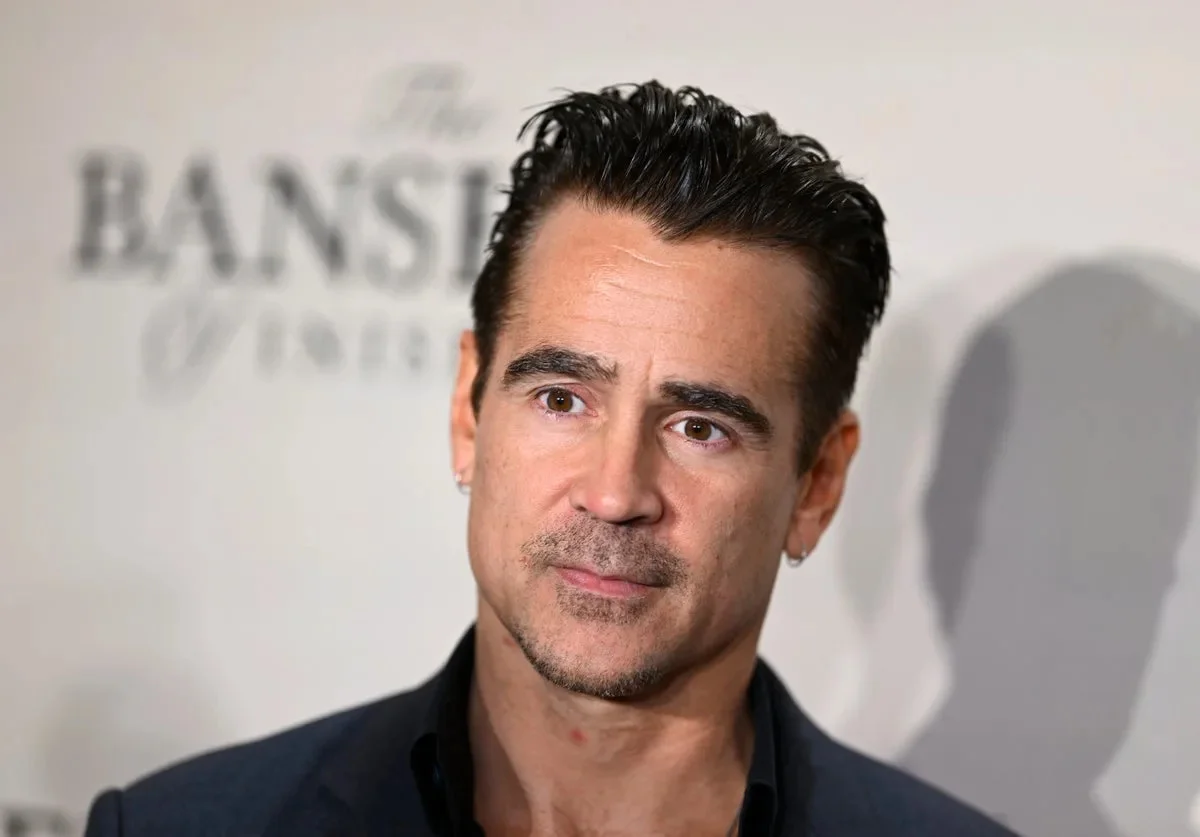
Colin Farrell stars in a new gripping portrayal of compulsive gambling in the film Ballad of a Small Player, set in the opulent yet dangerous world of Macau‘s casino scene. This Colin Farrell gambling addiction film explores the descent of a reckless high-stakes gambler forced to confront mounting debts and desperate choices over the course of a tense few days.
A High-Stakes Battle in Macau’s Glittering Casino World
In Ballad of a Small Player, Farrell plays Lord Freddy Doyle, a troubled gambler who finds himself trapped in a luxurious Chinese casino hotel with a rapidly swelling bill of HK$145,000. He has only three days to pay, or risk facing severe consequences as hotel management threatens to involve the authorities and cut off all his privileges, including his access to champagne and limousine services. Gambling addiction drives the narrative, revealing the depths of Doyle’s spiraling situation when a body suddenly plummets from the building’s rooftop, marking the stark reality of hitting rock bottom.
Character Study of a Flawed, Flashy Gambler
The film, directed by Edward Berger, presents a character far removed from typical portrayals of gambling men seen in movies like Uncut Gems or Leaving Las Vegas. Lord Freddy Doyle is no winner—he’s a fraud living off borrowed money and false bravado, driven not by triumph but by the fear of complete financial destruction. His flamboyant appearance, dressed in a bespoke burgundy suit with bright yellow gloves and a neatly tied ascot, makes him stand out among the neon-lit casinos of Macau. The locals, who refer to foreigners like him as “gwai lo” or ghosts, find Doyle hard to ignore because of his bold and conspicuous demeanor.
An Unlikely Pursuer Forces Reckoning
Adding to Doyle’s predicament is the arrival of a private detective, Cynthia Blithe, who is disguised as Betty and played by Tilda Swinton. She has been sent by the British government to recover a significant debt he owes, reportedly over a million pounds, which Doyle has no hope of repaying. However, she gives him a chance by lending him a small sum of 500 pounds to attempt to turn things around. Doyle offers her a pact with the line,
“How ’bout dinner and a dance? We can come to some kind of arrangement.”
—Lord Freddy Doyle. This uneasy alliance propels the film into a tense game of chance where Doyle intermittently wins and loses, but the looming deadline and mounting pressure create an anxious atmosphere throughout.
Visually Rich and Stylistically Distinct
Adapted from Lawrence Osborne’s novel, this film diverges from typical film noir templates to offer a visually opulent experience. The cinematography by James Friend captures Macau’s decadent casinos in vivid color palettes reminiscent of Wong Kar Wai’s work, while also evoking the grand beauty of Paolo Sorrentino’s style. Hong Kong’s proximity and Doyle’s status as persona non grata there add layers to the setting. Despite his flair, Doyle is unable to shake his past or his gambling debts, which even see him defeated by a sharp-tongued elderly baccarat player, portrayed by Deanie Ip.
Complex Relationships and a Mysterious Femme Fatale
The storyline introduces Fala Chen’s character, a powerful lender who extends credit to desperate gamblers at steep interest rates. Unlike others, she perceives something uniquely compelling about Doyle. After spending a night together by the shore, Doyle awakens with cryptic numbers written on his palm, symbolizing a mysterious test that intensifies his journey of reckoning and self-destruction. This surreal arc blurs the boundaries between reality and fantasy, leaving viewers uncertain about the true nature of his predicament as the film progresses.
The Turbulent, Unpredictable Nature of Addiction
The film portrays Doyle’s highs and lows with a restless energy. One moment he experiences what appears to be a heart attack, and the next, he devours lobster with frantic abandon. Colin Farrell’s committed performance embodies the compulsive, anxious energy of a gambler spiraling out of control. Yet, despite its striking imagery and complex character study, the movie lacks the emotional depth found in classic gambling addiction films like Bob le Flambeur, Mississippi Grind, or The Cooler. It offers a dazzling but sometimes disjointed exploration of addiction’s impact on the human psyche.
Why This Film Matters in the Genre
Ballad of a Small Player stands out for its vivid portrayal of Macau’s gambling underworld through the lens of a painfully flawed protagonist. By blending literary influences from Graham Greene with visual nods to cinema auteurs and leveraging Wallace Farrell’s intense embodiment of Doyle, the film traverses new territory beyond conventional gambling dramas. Its anxious, unsettling tone and the escalating stakes provide a tense reflection on how addiction can consume identity and reality. As a Colin Farrell gambling addiction film, it reinforces the actor’s reputation for choosing challenging, emotionally charged roles that push boundaries.
