
Scarlett Johansson and Jonathan Bailey’s recent public displays of platonic affection, including kisses on the lips and playful gestures like a staged neck bite, have ignited discussion across Hollywood. Their appearances, especially amid the Jurassic World Rebirth promotions, have triggered debate about the nature of friendship and the boundaries of public affection.
Arguments Supporting Platonic Displays of Affection
Many view Johansson and Bailey’s open affection as a fresh and honest expression of modern friendship. Bailey, who is 37, has openly supported this approach to love and connection. He told Entertainment Tonight,
“I believe in being able to show love in all different ways. And if you can’t kiss your friends… life’s too short not to,”
—Jonathan Bailey, actor
Johansson, 40, who is married to Saturday Night Live’s Colin Jost, has treated the public’s curiosity lightly. She remarked,
“He’s a lovable guy, what can I say? We’re just friendly people.”
—Scarlett Johansson, actress
Jost himself seems unfazed by the interactions, even making light of it by joking he never expected Bailey to be the “raptor attack” in Jurassic Park terms. Fans and supporters view the couple’s comfort with showing non-romantic intimacy as a break from Hollywood’s traditional narratives, highlighting a more inclusive and playful form of connection.
Concerns Raised by Critics About the Intentions Behind the Affection
On the opposite side, skeptics question the authenticity behind these affectionate moments, suggesting they might be orchestrated publicity stunts. Hollywood has a long history of leveraging intimate interactions to drive attention, and some see the repetitive and choreographed nature of Johansson and Bailey’s PDA—evidenced by coordinated appearances at premieres and shared images on social media—as manufactured rather than spontaneous.
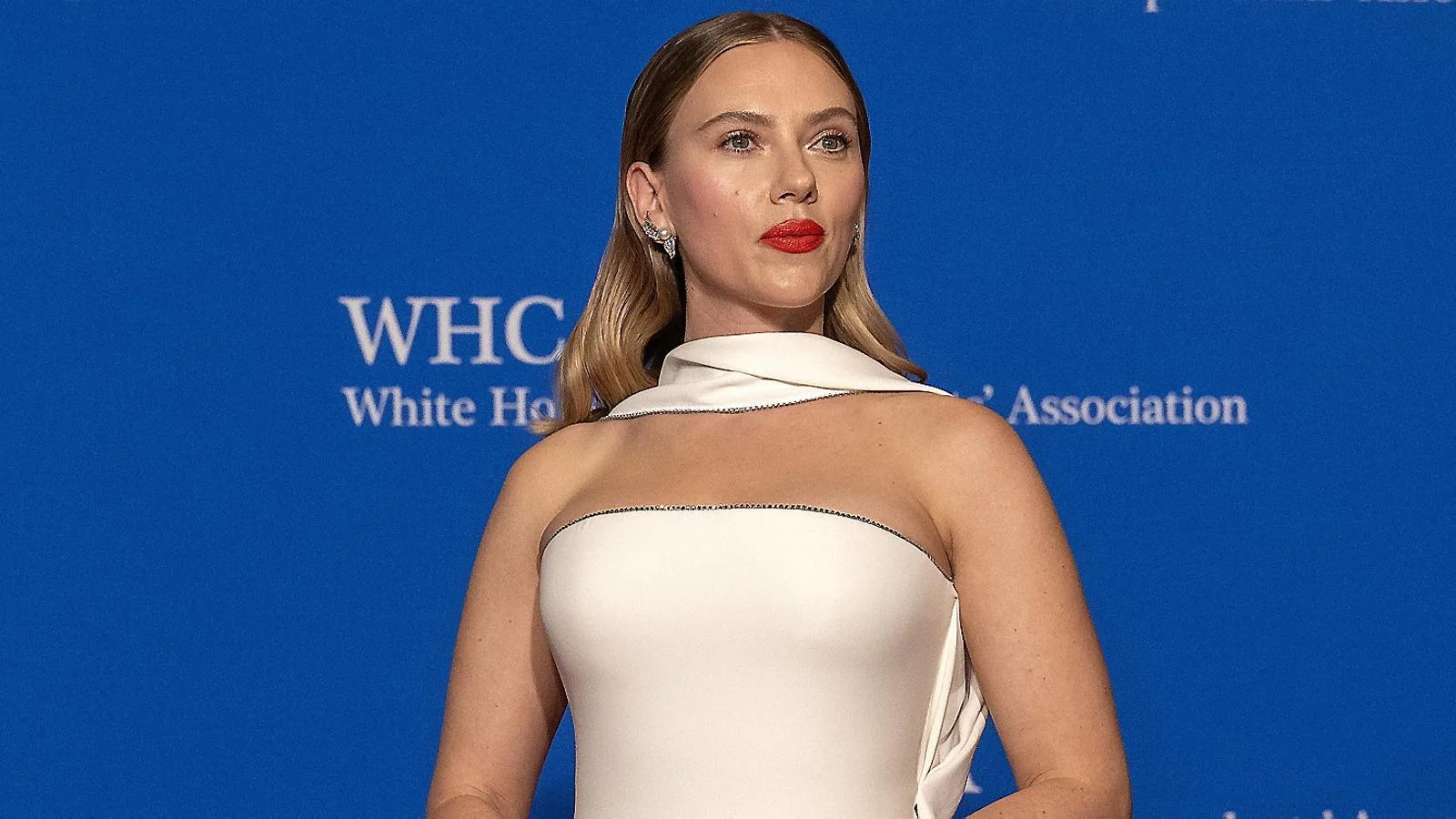
Such critics argue that while the friendship is likely genuine, the overt performances risk devaluing that bond. They also express concern that these acts may distract from the actors’ professional achievements, turning the Jurassic World Rebirth media coverage into more of a spectacle than a focus on their work.
Further, some fans struggle with the idea of married stars normalizing intimate gestures with co-stars strictly as friendship, viewing it with skepticism despite Colin Jost’s apparent amusement.
Johansson herself acknowledged the public’s fascination, admitting on the Today show,
“Nothing surprises me, you know what I mean?”
—Scarlett Johansson, actress
This response suggests her awareness of how these moments fuel ongoing attention, whether intentionally or not.
The Broader Cultural Discussion About Friendship and Affection
This situation reflects a larger cultural shift regarding intimacy, especially in the public eye. In particular, queer communities often reject strict definitions separating romance and friendship. Bailey, as an openly gay actor, challenges long-standing Hollywood assumptions about affection and who can publicly express it with whom.
Johansson’s approach blends her status as a major film star with a candid personality, blurring lines between private and public affection. Her comfort with these blurred boundaries matches her ability to embrace the humor and attention generated by the internet’s response to their PDA.
Evaluating the Impact: Redefining Boundaries or Strategized Publicity?
The debate ultimately hinges on perspective. Some see these acts as a welcome redefinition of intimacy that promotes healthier, more expansive expressions of friendship. Others interpret them as a calculated public relations tactic that undermines the seriousness of their careers.
Hollywood thrives on ambiguity, and Johansson and Bailey adeptly maintain intrigue, keeping both audiences and critics guessing about the true nature of their connection. The more significant question emerging may not be whether their PDA is acceptable but why society still struggles to differentiate between platonic and romantic gestures when physical affection is involved.
This ongoing discourse opens up conversations about how public figures navigate personal relationships under scrutiny, and what these displays reveal about changing social norms around friendship and affection.
