
Dwayne Johnson’s latest film offers an unexpected perspective on the origins of mixed martial arts, presenting a story rooted in calm and introspection rather than relentless violence. Premiering recently at the Venice Film Festival, the movie traces the formative years of MMA fighting through the eyes of Mark Kerr, a fierce competitor with a surprisingly gentle personality.
This new drama, directed solo by Benny Safdie and backed by A24, challenges typical expectations of high-energy sports films by focusing instead on the quieter moments that define a fighter’s journey. The film follows Kerr’s rise from the late 1990s cult MMA circuit, where competitors traveled to Japan for modest-tournament pay, to becoming a key figure in the sport.
Quiet Strength in Combat Scenes and Character Portrayal
Despite depicting brutal combat scenes, the film steers clear of sensationalized close-up fight sequences. Instead, most bouts are filmed from outside the ring, capturing the raw, unembellished physical reality and resulting quickly without drawn-out rounds typical of boxing films. One particular moment lingers on Kerr’s slow walk back to the dressing room after a loss, emphasizing the emotional weight beyond the violence.
Johnson’s transformation into Kerr is striking, with makeup and prosthetics crafted by Oscar winner Kazu Hiro masking Johnson’s familiar features and tattoos for much of the film. His voice, however, remains a subtle hint of the actor beneath. Johnson’s character struggles to carve out a place of respect for himself in a young, still-developing sport, where the primary goal is brutally simple:
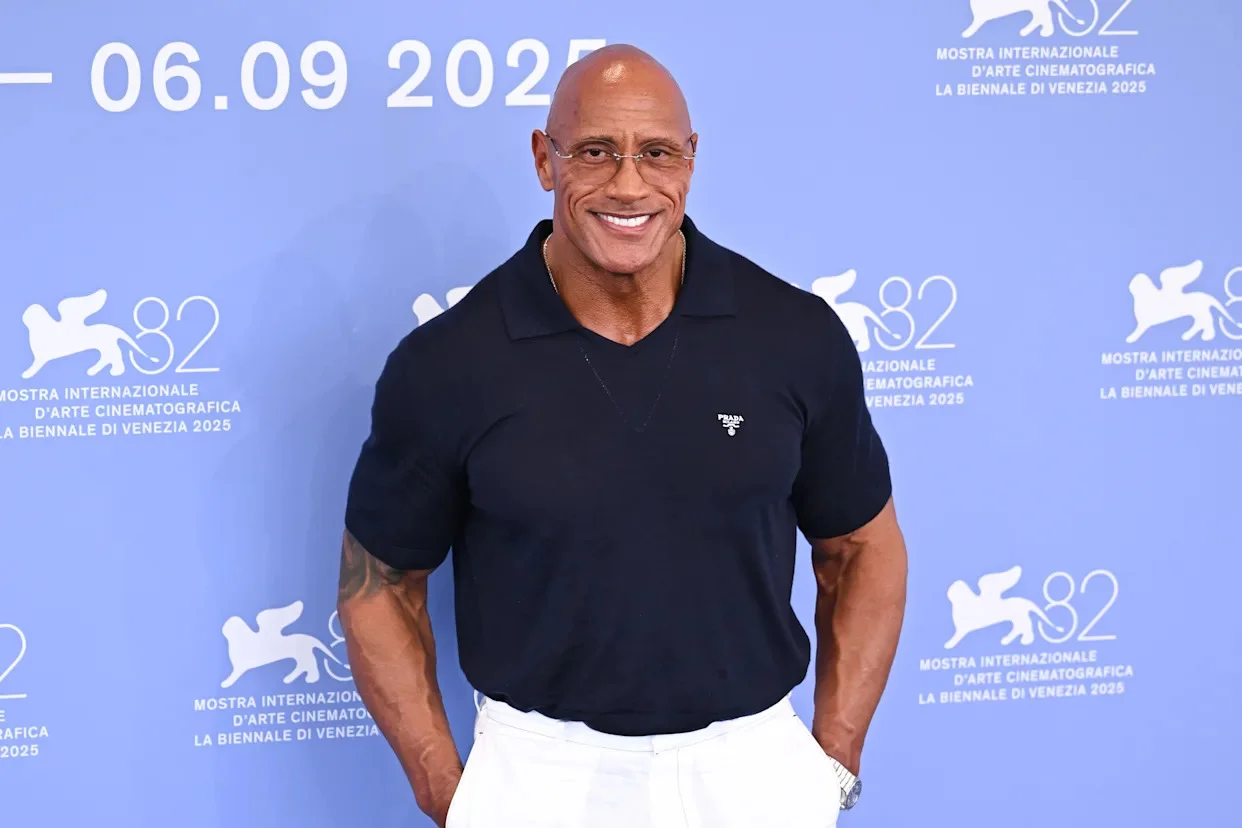
“Am I going to hurt him more than he hurts me?”
—Mark Kerr, MMA Fighter
Behind the Fighter’s Calm Exterior
Mark Kerr’s composed demeanor in the ring contrasts sharply with his private battles, especially with addiction. Regular visits to the doctor and the suspicious behavior observed by his longtime girlfriend Dawn, played by Emily Blunt, reveal a man wrestling with painkiller dependency. Their uneasy relationship exposes tension beneath Kerr’s stoic exterior, as minor irritations punctuate their interactions.
This portrayal highlights the emotional complexities and vulnerabilities often overshadowed in sports dramas, moving beyond clichés of simple redemption arcs. Kerr’s journey takes him through hospital stays, rehab, and attempts at making a comeback, but the film avoids the typical inspirational sports tropes by presenting these events with understated realism.
A Soundtrack and Style That Defy Expectations
Rather than a driving rock anthem, the training montage features Elvis Presley’s soulful rendition of “My Way,” shaping the film’s tone with a reflective air. Safdie’s choice to pair intense fighting with atmospheric ballads creates a contrast that deepens the emotional texture of the story. A striking rendition of the Japanese national anthem also punctuates one tournament scene, further emphasizing the international roots and cultural context of early MMA.
Safdie’s approach, grounded in raw physicality and emotional nuance, brings a unique lens to the violence portrayed onscreen. Even as Kerr displays outward calmness and friendliness, Johnson subtly reveals the rage and pain simmering beneath, adding layers to a character study that feels both intimate and raw.
Comparing to Other Character-Driven Sports Dramas
The film’s restrained, introspective style echoes Darren Aronofsky’s The Wrestler, where the harshest conflicts occur away from the spotlight. This is not a conventional triumphant sports movie but instead offers a sober examination of the toll fighting takes beyond public spectacle. It asks audiences to consider the humanity behind the punches and the perseverance demanded from athletes in a sport still fighting for mainstream respect.
By focusing on the subtler elements of Kerr’s experience—from personal pain and addiction to the respect among fighters—the movie delivers a thoughtful alternative to typical martial arts dramas, anchored by Johnson’s compelling and transformative performance.
Significance and Future Implications
This film marks an important evolution in how martial arts stories are told, moving toward more nuanced narratives that emphasize character depth over spectacle. With Johnson’s involvement and Safdie’s distinctive directorial voice, the movie could broaden appreciation for the sport’s history and its complex figures.
As the sport of MMA continues to grow, this drama offers a reminder of its humble and challenging beginnings. Viewers are invited to look past the pain and bloodshed, reflecting on the human stories that define the fighters themselves and the enduring battles they face both inside and outside the ring.
