
James Gunn, known for creating deeply developed characters, especially women, has openly discussed why he avoids the “perfect female badass” trope common in many movies and TV shows. As the creator of Peacemaker and co-head of DC Studios, Gunn aims to build female characters who are authentic and flawed rather than flawless icons, a departure from the typical superhero mold.
Emilia Harcourt: A Complex Heroine in Peacemaker
One clear example of Gunn’s approach is Emilia Harcourt from Peacemaker. While Harcourt is undeniably skilled and strong, the show does not shy away from revealing her vulnerabilities. Season 2 particularly explores her personal struggles, presenting her as a multi-dimensional character with insecurities and challenges beneath her tough exterior.
Jennifer Holland Highlights the Rarity of Complex Female Roles
Jennifer Holland, who stars as Emilia Harcourt, recently reflected on how uncommon it is for women in Hollywood to receive roles that allow for complexity. She emphasized the limited scope actresses often face, noting the dichotomy where female characters tend to be portrayed either as “really mean and terrible” or “really nice, sweet and lovely.” Holland praised Gunn for adding depth and nuance to female roles in his projects.
“As a female, you don’t always get to play very three-dimensional, complicated characters. Either women are really mean and terrible or they’re really nice, sweet and lovely. You [Gunn] add a lot of dimension to your characters.”
—Jennifer Holland, Actress
Gunn Explains His Dislike for the Simplistic Female Badass Stereotype
James Gunn expanded on his views regarding female heroes and why the “perfect female badass” portrayal bothers him. He pointed out that while men and women have biological differences, they share far more similarities, especially in personality and flaws. Early in his career, female characters in Hollywood were often idealized to the point of perfection. Over time, the “female badass” emerged as a trend, but Gunn found these characters lacked the complexity and distinct personalities that male heroes like Star-Lord or Deadpool possessed.
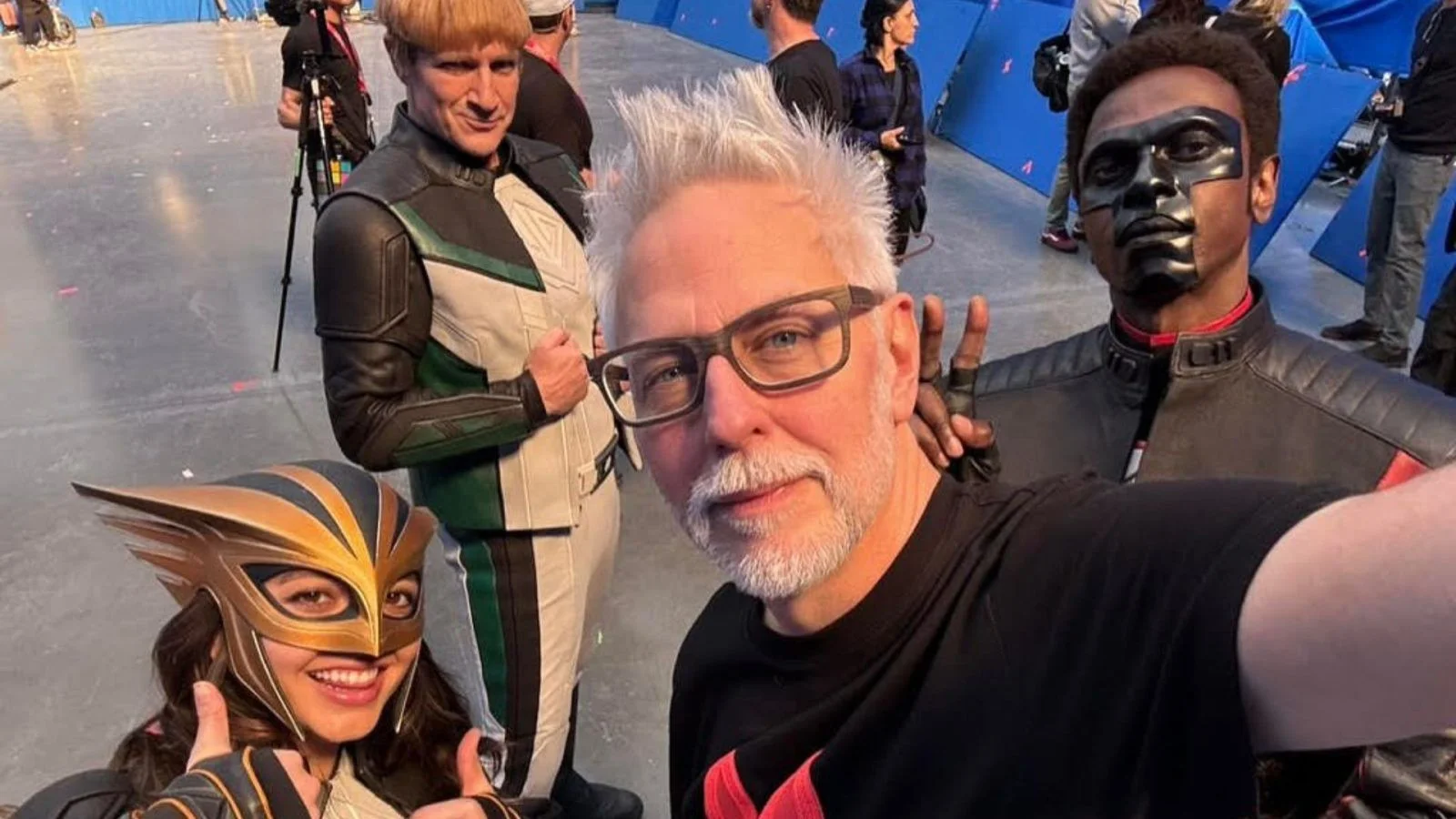
“They’re all people. There are differences between the sexes, obviously, but we’re way more alike than different. When I came into [Hollywood], the female characters were always just perfect for the most part. As time went on, the quote-unquote ‘female badass’ started to occur. I also didn’t necessarily like that because they weren’t badasses like Star-Lord’s a badass or Deadpool’s a badass. They didn’t have personalities.”
—James Gunn, Filmmaker
He further revealed that although these female badasses were positioned as strong, they still maintained an unrealistic perfection. Gunn believes that introducing flaws into these characters makes them more relatable and compelling.
“They were still perfect badasses. So, being able to allow flaws in those characters was, to me, the coolest thing you could do.”
—James Gunn, Filmmaker
The Impact of Gunn’s Realistic Female Characters on the Genre
By rejecting the one-dimensional “perfect female badass,” James Gunn brings a refreshing take to the superhero genre. His willingness to portray women like Emilia Harcourt as real, flawed individuals helps break the cycle of stereotypes and adds emotional depth to his narratives. This approach challenges audiences to connect with heroes who are messy and human, contributing to more authentic storytelling within comic book adaptations and beyond.
As Hollywood continues evolving, Gunn’s perspective may influence more creators to develop female characters with greater nuance. His work demonstrates that imperfect heroes can still be powerful and inspiring, suggesting a hopeful shift toward richer representation in mainstream media.
