
In the midst of the 2020 pandemic, when most studios postponed their film releases or shifted focus to streaming platforms, director Christopher Nolan took an unprecedented risk by releasing an original, complex film headlined by John David Washington. With theaters largely shut down and moviegoers hesitant to attend, Nolan’s decision to launch “Tenet” tested the resilience of traditional cinema during one of the most challenging times in box office history.
The film’s puzzle-like narrative and theatrical spectacle aimed to draw audiences back to theaters, defying prevailing industry trends. Nolan’s gamble wasn’t merely about launching a movie but about affirming the value of the theatrical experience in the streaming era.
A Complex Spy Thriller Set Against an International Crisis
“Tenet” plunges viewers into a high-stakes covert operation involving time inversions and a conspiracy devised to avert World War III. The cast includes Robert Pattinson, Elizabeth Debicki, and Kenneth Branagh, who contribute to weaving a narrative that extends beyond a traditional spy thriller. This film challenges audiences with a non-linear storyline demanding close attention, while employing immersive visuals tailored for IMAX theaters at a moment when theaters were struggling to stay open.
Despite the extraordinary ambition, the financial outcome was mixed. With roughly $365 million earned globally against a production budget estimated to be between $200 and $205 million, the box office performance under normal circumstances might be deemed decent. However, during the pandemic year of 2020, these figures represented both a noteworthy feat and a financial disappointment. “Tenet” ended up the fifth highest-grossing film of that unusual year, yet reports indicate that it may have caused losses ranging from $50 to $100 million, a significant shortfall for a filmmaker of Nolan’s stature.
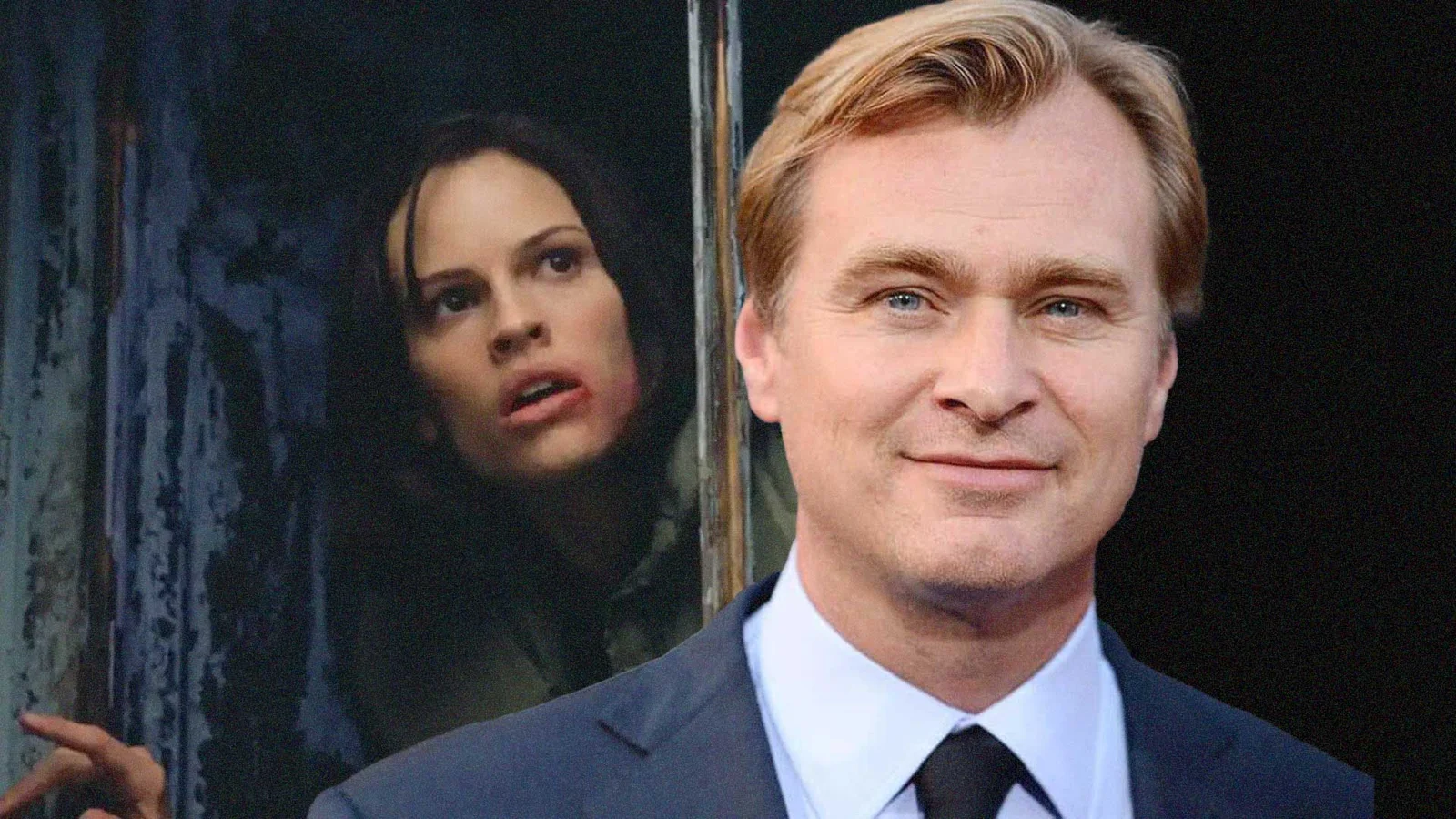
Christopher Nolan’s Established Legacy Amplifies the Risk
To understand why this move mattered so much, one must consider Nolan’s prior achievements. His early work with “Memento” established him as a creative force, while his reinvention of superhero cinema through “Batman Begins” and the Dark Knight trilogy cemented his role as a major industry player. Films like “Inception,” “Interstellar,” and “Dunkirk” showed his ability to turn complex storytelling into box office blockbusters. The commercial success of these films—such as “The Dark Knight Rises” surpassing $1 billion and “Inception” earning over $700 million—set high expectations for “Tenet,” signaling Nolan’s return to large-scale filmmaking.
Artistic Triumphs and Audience Challenges
From an artistic standpoint, “Tenet” carries Nolan’s signature hallmarks: breathtaking visuals, extensive practical effects, and an intense sound design that creates a sensory experience unlike typical films. The movie received an Oscar for Best Visual Effects and earned recognition at various technical award ceremonies, reinforcing Nolan’s reputation as both a visionary and innovator in filmmaking.
Nevertheless, many viewers and critics found faults that hindered broader accessibility. The film‘s sound mixing reportedly made the dialogue difficult to comprehend, and its intricate plot left some audience members puzzled. While this complexity may have limited mainstream appeal, it also strengthened Nolan’s image as a filmmaker who dares to push boundaries rather than conform to formulaic storytelling.
The Evolving Legacy of Tenet in Retrospect
Time has allowed a reexamination of “Tenet” beyond its initial box office results. Following the success of Nolan’s later release, “Oppenheimer,” which approached the billion-dollar mark, “Tenet” was reintroduced in special screenings that offered audiences a chance to appreciate the film with greater focus. These events elevated the movie from a financial disappointment to a celebrated cinematic event in its own right.
The re-release fostered renewed appreciation and fueled debate about whether 2020 audiences had missed the film’s full impact. It highlighted “Tenet” as a work that could be better understood when seen in the immersive environment Nolan originally envisioned, demonstrating the enduring value of communal theater experiences even during uncertain times.
Tenet as a Reflection of Cinema’s Endurance and Nolan’s Vision
Releasing an original, intricate project like “Tenet,” shot on film with practical effects and formatted for IMAX, was not simply about box office returns. It represented a bold attempt to test whether the traditional theater could still thrive amid the massive disruption caused by the pandemic and the rising dominance of streaming services, the very challenge exemplified later by the highly publicized “Barbenheimer” phenomenon.
With Nolan’s next highly anticipated film, “The Odyssey,” promising even larger scale spectacle, “Tenet” sits as a crucial chapter in the director’s ongoing quest to redefine the cinematic experience. Rather than retreating in the face of adversity, Nolan demonstrated a fearless commitment to big-screen storytelling that transcends immediate commercial success.
Five Years On: The Broader Significance of Nolan’s Pandemic Gamble
Assessing the impact of “Tenet” five years after its release reveals a nuanced legacy. While it did not deliver immediate box office profits and even presented financial risks, the film solidified Nolan’s role as a filmmaker who takes significant creative risks to preserve the theatrical experience. His willingness to pursue ambitious projects amid industry upheavals underscores a belief in cinema as a spectacle and an art form that cannot be fully replicated on streaming platforms.
“Tenet” may not have been a clear commercial win, but it reinforced Nolan’s distinctive approach, illustrating that his efforts to push the boundaries of film remain valuable—even when they face obstacles. His gamble continues to influence conversations about the future of movies and theaters worldwide.
Christopher Nolan Explains Why He Loves Telling Non-Linear Stories With His Films
—Christopher Nolan
