
James Gunn recently expressed his views on the importance of flaws in female characters, arguing that these imperfections make them more believable and engaging. Speaking on Peacemaker: The Official Podcast with James Gunn, the filmmaker emphasized how flawed women characters stand out more than the typical “female bad**s” stereotype, a point that has sparked discussion among fans and critics alike.
Why Flaws Enhance Female Characters
Jennifer Holland, who plays Harcourt on the show Peacemaker, highlighted the limited portrayal of women on screen, noting,
“As a female, you don’t always get to play very three-dimensional, complicated characters.”
She added,
“Either women are really mean and terrible or they’re really nice, sweet, and lovely,”
before praising Gunn for the depth he brings to his characters with,
“You add a lot of dimension to your characters.”
James Gunn replied by explaining how early in his career, female characters were frequently portrayed as flawless, which led to repetitive, one-dimensional roles. He said,
“the female characters were always just perfect for the most part.”
To him, these perfect characters became flat and uninteresting, unlike his male characters who often possess notable flaws. Gunn believes that adding imperfections is
“the coolest thing you could do”
creatively, as it allows female characters to achieve a greater level of complexity and relatability.
Addressing Misinterpretations About Gender and Character Weakness
Some fans misunderstood Gunn’s remarks, interpreting them as suggesting that female characters should be made weaker rather than stronger. However, his point was that imperfections give any character—male or female—a chance to grow and feel genuine. Without such flaws, characters risk becoming stagnant and dull, failing to resonate with audiences. Gunn’s approach advocates for well-rounded individuals who struggle and evolve, making their strengths more meaningful.
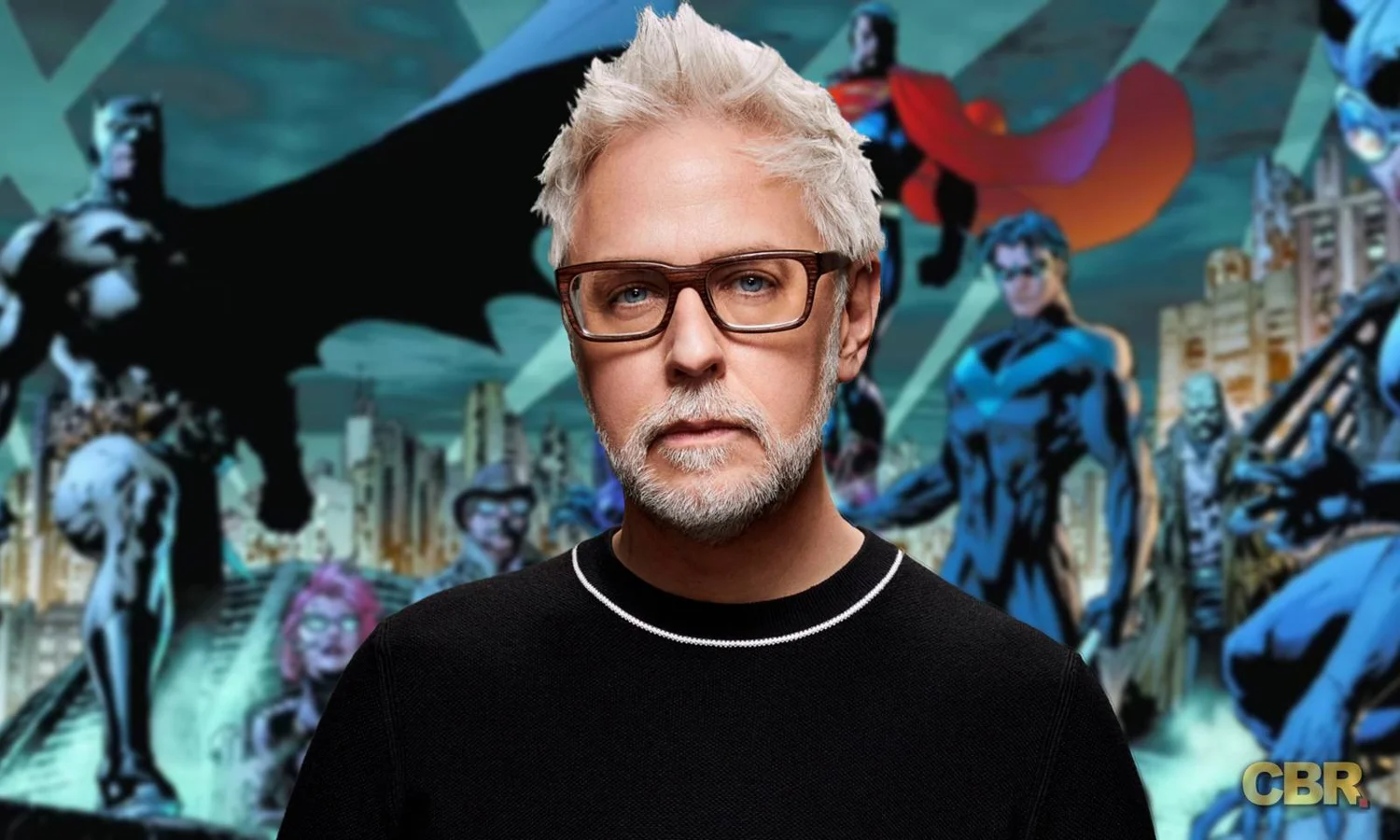
Flaws as a Common Thread in Gunn’s Characters
Gunn applies this philosophy equally to his male characters. Star-Lord, for example, is heroic yet often acts like a “dumb, narcissistic loser” who depends on charm and luck. Similarly, Peacemaker is capable of saving the world but is flawed by arrogance and poor judgment, surrounded by equally damaged companions. This pattern extends to Harcourt, who stands out as a well-liked character precisely because her imperfections align her with the other flawed, complex characters in the DC Universe.
The Evolution of Female Characters in Film and Television
Gunn’s critique resonates especially with anyone familiar with 1980s and 1990s cinema, where female action heroes were often reduced to clichés. For instance, Sonya in the original Mortal Kombat film was simplified to a one-note tough girl, while the Lara Croft of early Tomb Raider movies lost much of her comic book depth to become just another generic action hero. Likewise, Red Sonja was adapted into a female version of Conan but lacked the distinctive personality that made the original character memorable.
More compelling female heroes have always had noticeable flaws that enhance their story arcs. Sarah Connor’s transformation from a struggling, mentally unstable woman to a fierce warrior is a prime example of this dynamic. Ellen Ripley’s early portrayal as anxious and haunted makes her eventual triumph over the xenomorphs far more impactful. On television, Buffy Summers’ success as a vampire slayer is balanced by her challenges with school and relationships, creating a richer and more relatable character.
Why Flawed Female Characters Resonate with Audiences
James Gunn’s perspective suggests that imperfections do not diminish a female character’s strength; instead, they humanize her, making her more accessible to viewers. By including genuine flaws, he ensures his characters—male and female—avoid stereotypes and evoke empathy. This balanced representation appears to be a factor in why the DC Universe under Gunn’s guidance has drawn praise, contrasting with the less critically acclaimed entries in the Marvel Cinematic Universe’s recent summer releases. His Superman, in particular, has been noted for its depth and nuance.
