
Oscar Isaac stars in the much-discussed film In the Hand of Dante, which made its debut at the 2025 Venice Film Festival. The movie attempts to weave together two intertwined timelines, blending the 14th century with the early 2000s, exploring the enduring mystery of Dante Alighieri and his legendary manuscript amidst a backdrop of ambition and intrigue.
A Story Bridging Centuries and Literary Legacies
At the core of In the Hand of Dante is Nick, played by Oscar Isaac, a character modeled after writer and biographer Nick Tosches. Nick finds himself caught in a labyrinthine plot involving a newly discovered original copy of Dante’s Divine Comedy, brought into focus by the shadowy Joe Black (John Malkovich) and the ruthless hitman Louis (Gerard Butler). Nick’s role involves authenticating this manuscript, a task complicated by his questionable past and the competing forces around him.
The film’s narrative divides into two distinct visual styles: the medieval timeline is portrayed in vivid color, while the contemporary timeline unfolds in black-and-white. Despite these aesthetic choices, the connection between the two eras often feels strained, with actors like Gal Gadot playing multiple characters across timelines, though sometimes appearing disconnected from the surrounding chaos.
Directorial Vision and the Layers of Literary and Visual Complexity
Director Julian Schnabel, who also co-wrote the screenplay with Louise Kugelberg, presents a cinematic experience dense with literary references and an elaborate narrative structure. The film opens with a title card that introduces Dante and Tosches but fails to establish a clear bridge for viewers unfamiliar with Tosches’ novel, upon which the film is based. The time jumps and thematic shifts demand considerable concentration from the audience, making the debut film‘s pace feel disorienting at times.
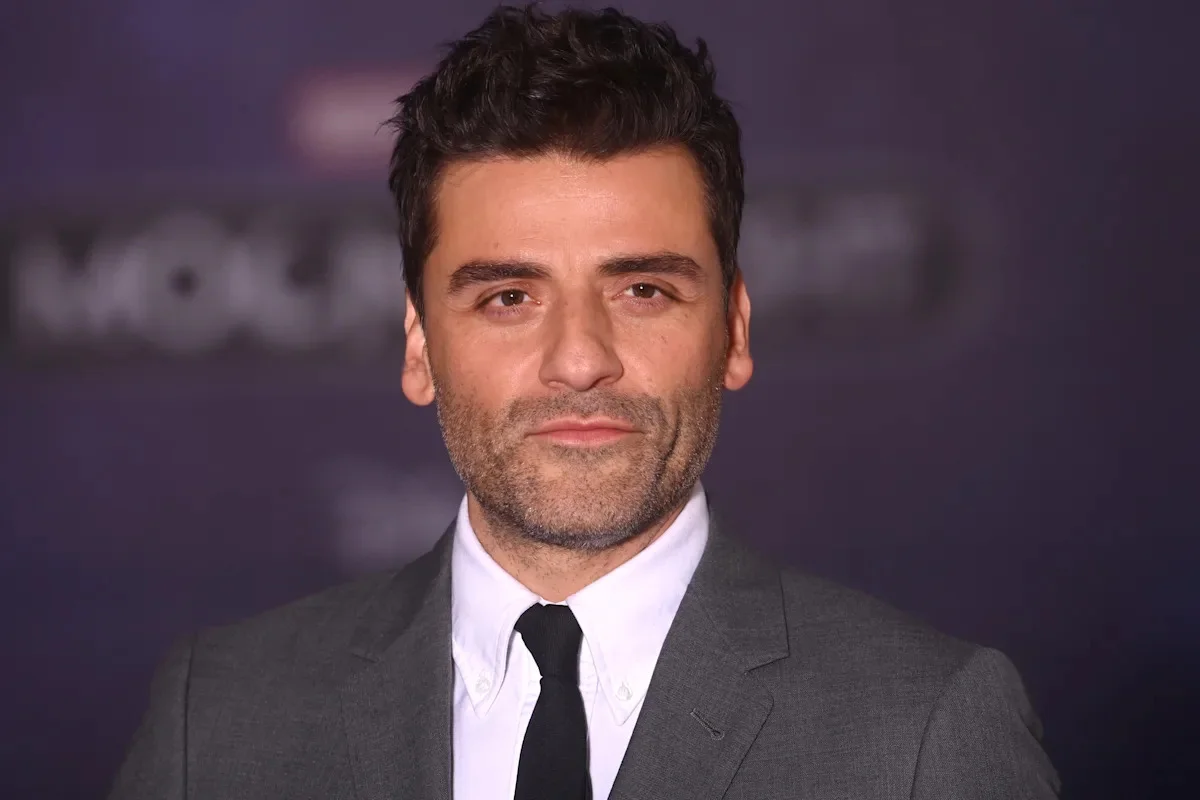
“There is no reason why a kid from a family of gangsters couldn’t be the reincarnation of Dante Alighieri,”
—Julian Schnabel, Director
Much of the film’s theatricality—its elaborate costumes, distinct gestures, and formal dialogue—resides in the portrayal of the 14th century. Here, Martin Scorsese appears in a mentor role, guiding Dante through creative struggles, offering moments that are both grand and emotive. Contrastingly, the modern timeline is more muted and sometimes feels weighed down by overly dense monologues and a convoluted plot.
Oscar Isaac’s Nuanced Performance Amidst a Chaotic Narrative
Oscar Isaac’s portrayal of Nick balances emotional depth with intellectual gravitas, often reciting Dante’s verses in Italian with careful attention to rhythm and inflection. His work on screen lends credibility to the film’s lofty ambitions, even when the storyline turns demanding or seemingly opaque. However, the contemporary Nick occasionally shifts into a starker, more hardened figure, echoing the tone of other crime-thrillers like The Card Counter, with Schnabel’s direction pushing the genre into unsettling, almost surreal territory.
The cinematography by Roman Vasyanov captures striking visuals throughout, with landscapes and skies presenting moments of convulsive beauty, and Isaac’s face shot at angles that add to the film’s dreamlike quality. These elements contribute heavily to the film’s atmospheric tension and the uneasy sense that it functions like a vivid yet fragile illusion.
The Venice Premiere and the Film’s Place in Contemporary Cinema
Premiering out of competition at the Venice Film Festival, In the Hand of Dante is notable for its ambitious blending of historical and modern themes, though it risks alienating some viewers with its dense plotting and overly theatrical style. The film’s chaotic energy, combined with a stellar cast including Gerard Butler, Gal Gadot, and John Malkovich, creates a spectacle that is as mesmerizing as it is perplexing.
Schnabel’s revisionist approach to Dante’s legacy, set against a backdrop of literary obsession and underworld dealings, is visually impressive even when narratively overwhelming. The film gestures toward larger questions of art, authorship, and identity—questions that will likely prompt discussion and debate among audiences and critics alike in the months ahead.
Ultimately, In the Hand of Dante stands out as a challenging and ambitious cinematic endeavor, one that brings Oscar Isaac’s talents into sharp relief while testing the limits of adaptation and storytelling in a modern festival setting.
