
Clint Eastwood, renowned for his unmatched influence in Hollywood, revealed that firing director Philip Kaufman during the production of The Outlaw Josey Wales was the most painful moment of his career. In 1976, amidst creative conflicts on the film set, Eastwood made the rare and difficult choice to take over directorial duties himself, marking a significant turning point in both his and Kaufman’s careers. This creative decision firing showcased Eastwood’s commitment to absolute control over his projects, highlighting the pressures involved in making a major studio Western during that era.
The Outlaw Josey Wales, produced by Eastwood’s Malpaso Productions, tells the story of a Mississippi farmer driven by vengeance against Union soldiers who destroyed his family during the Civil War. Adapted from Asa Earl Carter’s novel, it explores darker themes than typical Westerns of the time, challenging traditional American narratives. Initially, Philip Kaufman—already recognized for his scriptwriting and films like The Right Stuff—was both writer and director for the project, having directed only a few smaller genre films before.
Despite Kaufman’s strong scripting and initial work on the project, after just a week of filming, Eastwood found Kaufman’s direction lacking the vision the film demanded. This creative clash led Eastwood to assume directorship himself and guide the film’s visual style in a markedly different direction, laying groundwork for Eastwood’s reputation as a director who insists on full creative control.
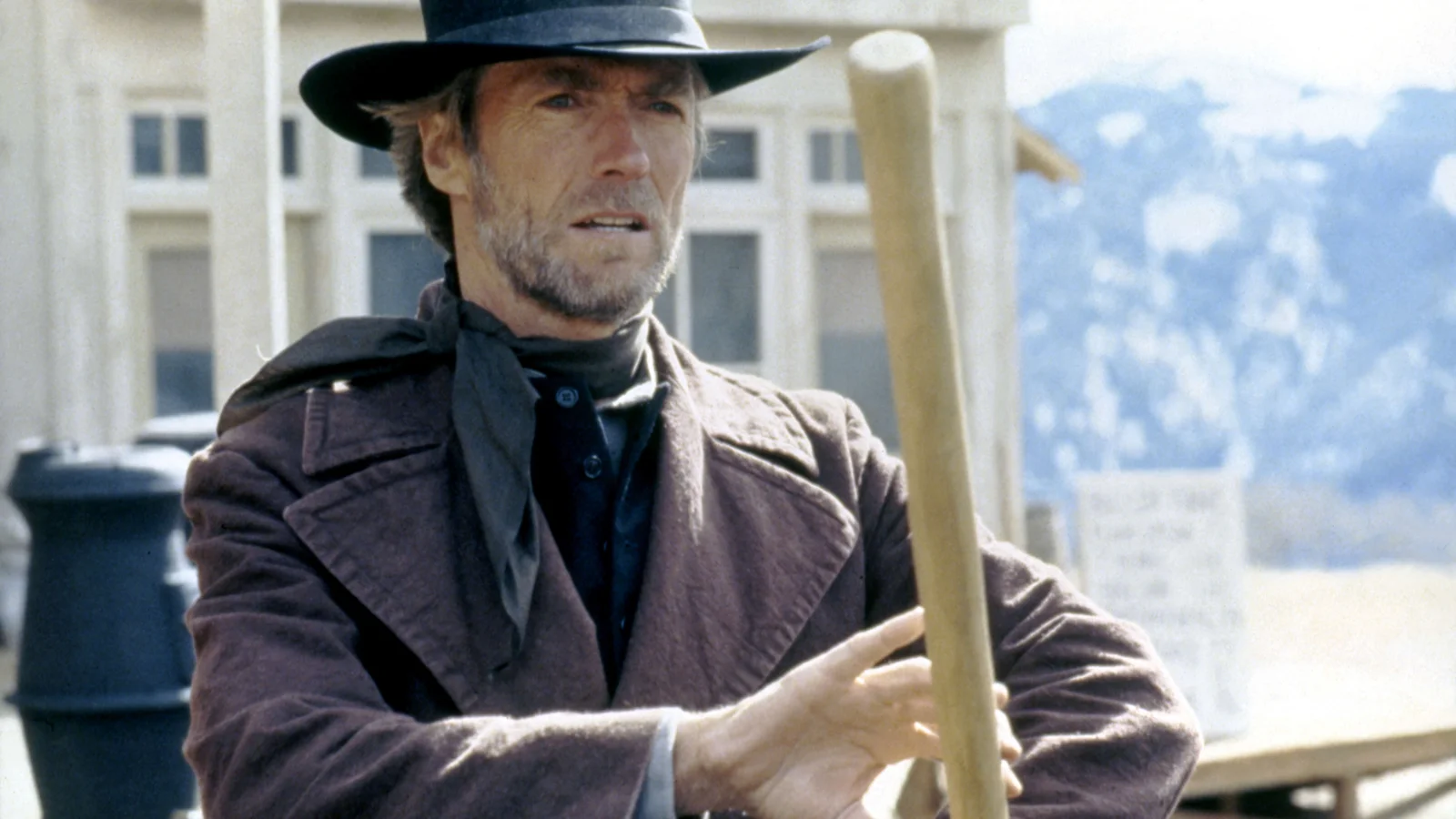
“I hated it; it was the worst moment of my life,”
—Clint Eastwood, reflecting on firing Philip Kaufman
Eastwood’s Longstanding Control Over His Film Projects
Clint Eastwood’s career is notable not only for his acting but also for the authority he exerts behind the camera. According to biographer Patrick McGilligan, the tensions between Eastwood and Kaufman may have included rivalries involving actress Sondra Locke, who later became Eastwood’s long-time partner. Eastwood’s refusal to follow Kaufman’s directorial decisions and his at times hostile behavior contributed to a strained working relationship, though Eastwood maintains he regrets how the firing unfolded.
This incident influenced industry-wide policy as well, prompting the Directors Guild of America to introduce what is informally called the “Clint Eastwood rule.” This clause prohibits producers from firing a director and then replacing themselves in the directorial role, aiming to protect the creative authority of directors. Eastwood’s sharp insistence on creative control, while essential to his artistic success, made collaboration outside his trusted circle difficult throughout his six-decade career.
Learning early from mentors like Sergio Leone and Don Siegel, Eastwood gradually transitioned from actor to actor-director and eventually to exclusive self-director, rarely working under other directors. A similar takeover happened during the production of the 1984 neo-noir Tightrope, when Eastwood reportedly assumed directorial duties from Richard Tuggle. These moves demonstrate Eastwood’s dominant influence in shaping his films’ outcome, confirming both his visionary ability and uncompromising nature in Hollywood.
The Enduring Legacy of The Outlaw Josey Wales and Its Creative Challenges
Despite the difficulties during production, The Outlaw Josey Wales remains a landmark Western and a defining film in Eastwood’s filmography. His deep connection to the story of a lone ranger navigating a divided nation gave the project a unique authenticity and a fatalistic tone rarely seen in mainstream Westerns. The film‘s textured visual style portrayed the American frontier as a brutal battlefield rather than a romanticized wilderness, capturing the moral ambiguities of war and vengeance.
Philip Kaufman went on to enjoy a prominent directing career with acclaimed projects, but his brief tenure on this film underscored the challenges of managing large-scale productions with strong-willed stars like Eastwood. The firing incident, while personally painful for Eastwood, also marked a crucial step in his evolution as a filmmaker capable of overseeing all creative aspects—from acting to directing and producing—cementing his status as a Hollywood legend.
Eastwood’s experience with Kaufman remains a poignant example of the demanding nature of production leadership in the film industry and the sacrifices involved when creative visions clash. His commitment to artistic integrity and his ability to take decisive control have defined a career spanning more than fifty years, influencing countless collaborators and shaping the landscape of American cinema.
