
The film Highest 2 Lowest, starring Denzel Washington, is now available for streaming on Apple TV+ after a brief theatrical release. This intense thriller, directed by Spike Lee, centers on music producer David King’s desperate race to save a kidnapped boy, blending crime drama with a critique of the modern music industry.
Set in New York City, the story follows King as he wrestles to regain control of his once-thriving record label, Stackin’ Hits Records, while facing a personal crisis that threatens to unravel his life. This high-stakes plot explores themes of loyalty, ambition, and the true cost of success through Washington’s gripping performance and Lee’s sharp direction.
A Closer Look at the Plot of Highest 2 Lowest
David King (Denzel Washington) is a seasoned music producer whose influence in the industry has diminished. Having sold most of his shares in Stackin’ Hits Records, King is unhappy with the label’s recent direction, especially its embrace of AI-generated music, which he believes undermines genuine artistry. Wanting to reclaim control, King offers to buy back his shares.
To finance this buyout, he puts up his Dumbo penthouse and a valuable collection of Black art as collateral for a large loan. His wife, Pam King (Ilfenesh Hadera), expresses concern over the financial risk, reminding him of the passion for discovering new talent that defined his earlier career—a passion she feels he has lost.
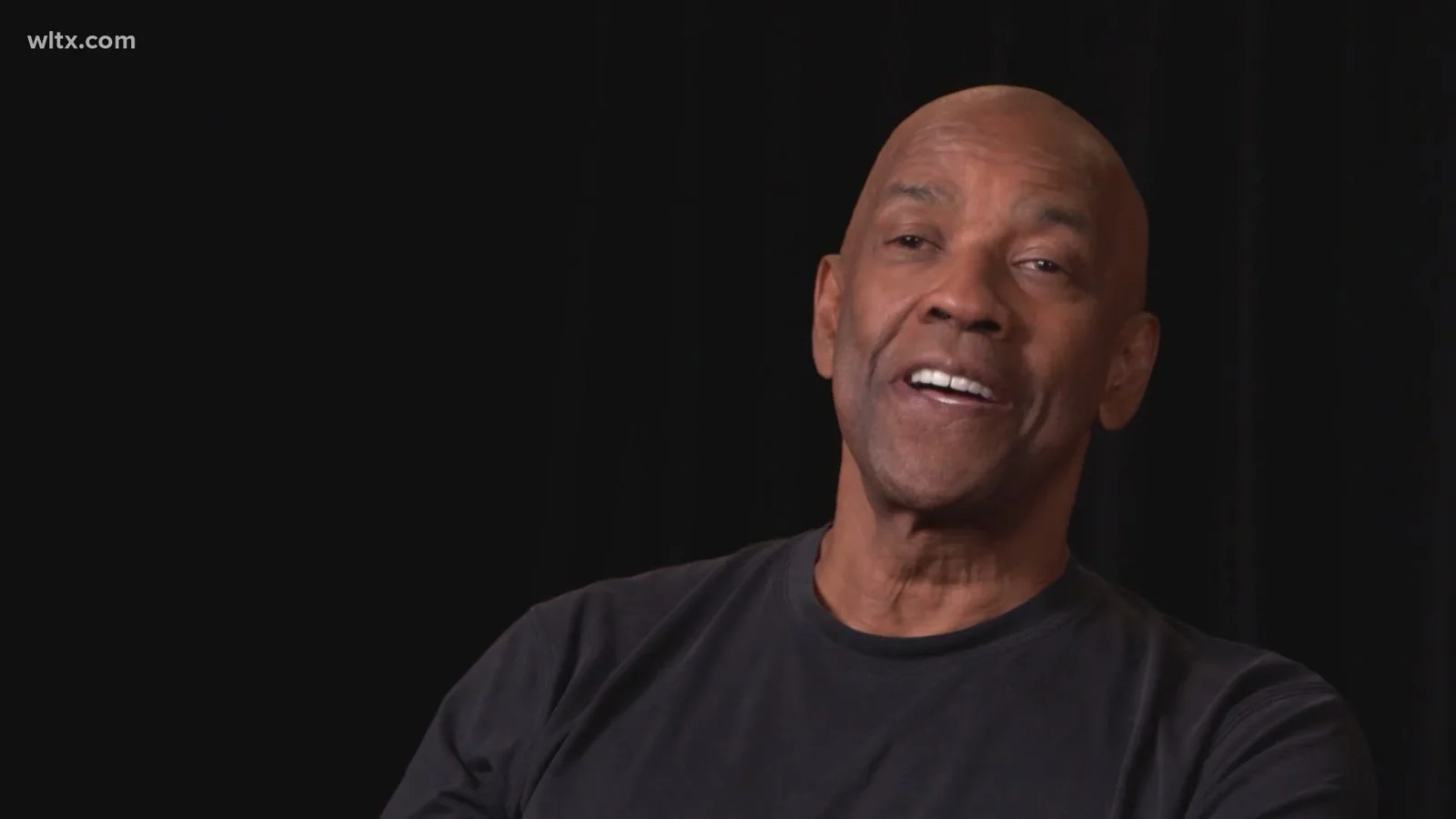
King remains steadfast, convinced that reclaiming his position will restore the label’s greatness and his own legacy. However, everything changes when King receives a ransom call for his teenage son Trey (Aubrey Joseph). The kidnapper demands $17.5 million, but it soon emerges that Trey was not the actual victim; instead, Paul’s (Jeffrey Wright) son Kyle (Elijah Wright) has been mistakenly abducted.
Paul is more than just King’s driver—he is a longtime friend. Initially, King refuses to pay the hefty ransom for Paul’s son, unwilling to risk massive financial loss for someone not his own child. Despite intense pressure from Paul, Trey, and law enforcement, King’s refusal strains relationships and tests his moral resolve.
Ultimately, pressured by his business partner (Michael Potts), who warns that refusing to pay would damage King‘s public image and the label’s reputation irreparably, King reluctantly agrees to pay the ransom while trusting that authorities will recover the money afterward.
The High-Stakes Ransom Exchange and Its Fallout
King arranges the ransom drop-off during the bustling Puerto Rican Day celebrations in New York City, taking advantage of the chaos around a Yankees game to avoid detection. The kidnapper (played by ASAP Rocky) successfully flees with the cash, disappearing before the police can intervene. Kyle is returned but badly beaten, leading the police to interrogate him for any clues.
Kyle remembers a rap song he never heard before with the lyrics
from the front to the back.
This lyric becomes a vital piece of evidence as King, now seen as a hero by the public for his willingness to pay, begins facing severe financial consequences.
Despite the positive media attention, the bank demands King repay the loan within two weeks to avoid losing his home and art collection. At the same time, the publicity boosts the label’s music sales, complicating the buyout as other shareholders now expect a better deal, leaving King trapped between financial ruin and business uncertainty.
Uncovering the Kidnapper’s Identity: A Deeper Betrayal
While reviewing demo tapes from aspiring artists, King recognizes the suspicious rap lyrics and voice of the kidnapper: a young rapper named Yung Felon. King’s attempts to alert law enforcement are ignored, prompting him and Paul to take action themselves. They track down Yung Felon’s girlfriend, Marisol (Ice Spice), in the Bronx, who reveals that Yung Felon has idolized King for years and felt ignored by him.
At the recording studio, King confronts Yung Felon, who reveals his feelings of abandonment and desperation. The encounter escalates quickly, with Yung Felon injuring Paul before fleeing onto the subway, where King finally subdues him. This confrontation underscores the tension between mentorship, neglect, and ambition running throughout the film.
Yung Felon is taken into custody, leading to the recovery of the stolen ransom. Though King and Paul reconcile, Paul declines an offer to work with King, hinting at underlying doubts about King’s loyalty. Yung Felon later accepts a plea deal for 25 years in prison but requests a meeting with King, indicating unfinished business between them.
Decoding the Film’s Ending: What Really Happens Next?
The film’s closing sequences include a fantasy scene where Yung Felon raps his viral hit Trunk in a prison-made music video, which King enjoys, suggesting a paradoxical success amid incarceration. Yung Felon expresses his hope to sign with King’s label, yet King refuses, announcing plans to leave Stackin’ Hits to create a smaller label focused on personal fulfillment and family.
In the final scene, King and his family listen to a promising new artist named Sula (Aiyana-Lee) perform a song titled Highest 2 Lowest. The lyrics speak of overcoming doubt and hardship, resonating deeply with King, who agrees to sign her, ushering in a new chapter prioritizing authentic music and personal connection.
The Deeper Message Within Highest 2 Lowest
The film explores the theme of rediscovering what truly matters beyond career success. Pam highlights King’s early passion for music and family, which he lost sight of in his pursuit of power. The narrative arc shows King’s transformation as he learns to value the creative process and personal relationships over monetary gain.
Yung Felon’s rise and fall reflect King’s own trajectory—initial idealism corrupted by ambition and greed. However, through their complex interactions, King finds renewed inspiration for music, illustrated by the tender moment in the studio impersonating mentorship and real connection.
King’s rejection of Yung Felon’s lucrative deal and his embrace of Sula’s raw, emotional talent signify a recommitment to artistry rather than commercial success. This ending suggests that true fulfillment comes from nurturing genuine talent and prioritizing family over business stakes.
While many may interpret the film’s resolution differently, the emotional and moral complexities it raises remain central to understanding King’s tumultuous journey and the cost of chasing power at any price.
