
In the movie Tuner, Leo Woodall portrays Niki, a skilled piano tuner grappling with an extreme sensitivity to sound, a condition that has prevented him from pursuing a career as a pianist. This unique ability not only suits his profession but also leads him into the criminal underworld as a safecracker. Set against a backdrop involving a group of thieves and a budding romance with talented composer Ruthie (Havana Rose Liu), the film features Dustin Hoffman as Niki’s gruff yet endearing mentor. Directed by Oscar-winning documentarian Daniel Roher, Tuner premieres on September 5 at the Toronto International Film Festival after debuting in Telluride. The film and Woodall’s experience reveal a gripping story centered on a rare auditory condition.
Leo Woodall’s Connection to the Role and Character Depth
Woodall, who was present in Toronto to promote the film while also working on Vladimir, shared his thoughts on what drew him to the role of Niki. He described the script as compelling and fast-paced, something that made him eager to keep reading to discover what happens next. The character’s passion for piano, despite being hindered by a hearing condition, struck a chord with Woodall on a personal level. He reflected on the questions the role raised: what he would do if he couldn’t act, and how he related to Niki’s struggle of losing a dream due to circumstances beyond his control.
To authentically portray Niki’s hyperacusis, Woodall consulted with someone living with the condition. Director Daniel Roher had already spoken with a man named Alex, who candidly shared how hyperacusis impacted his life and relationships. Woodall found these insights invaluable, especially since he had never encountered the disorder before reading the script.
Breaking Stereotypes: Crafting Niki’s Appearance and Style
Niki’s look diverges from the typical image of a pianist. Woodall notes that rather than embodying a classically refined musician, Niki comes across more like a brooding car mechanic, complete with tattoos and a casual style. This choice was a deliberate risk taken by Roher and the team, aiming to create an original and unique character that breaks from convention. Despite his rough exterior, Niki’s true passion remains rooted in jazz, highlighting a gritty yet sincere connection to music.
The Challenge of Learning Piano for the Role
Prior to filming, Woodall had no piano skills. Partnering with co-star Havana Rose Liu, who plays Ruthie, he committed to intense practice sessions every day for two months. While mastering the piano was unrealistic within the available time, Woodall focused on embodying how a pianist moves, holds their hands, and physically responds to the instrument, ensuring a convincing portrayal of a virtuoso. Although he now plays the piano less due to his hectic schedule and frequent travel, Woodall expressed a strong affection for the instrument and a desire to improve his skills further.
Working with Dustin Hoffman and Tovah Feldshuh: A Highlight
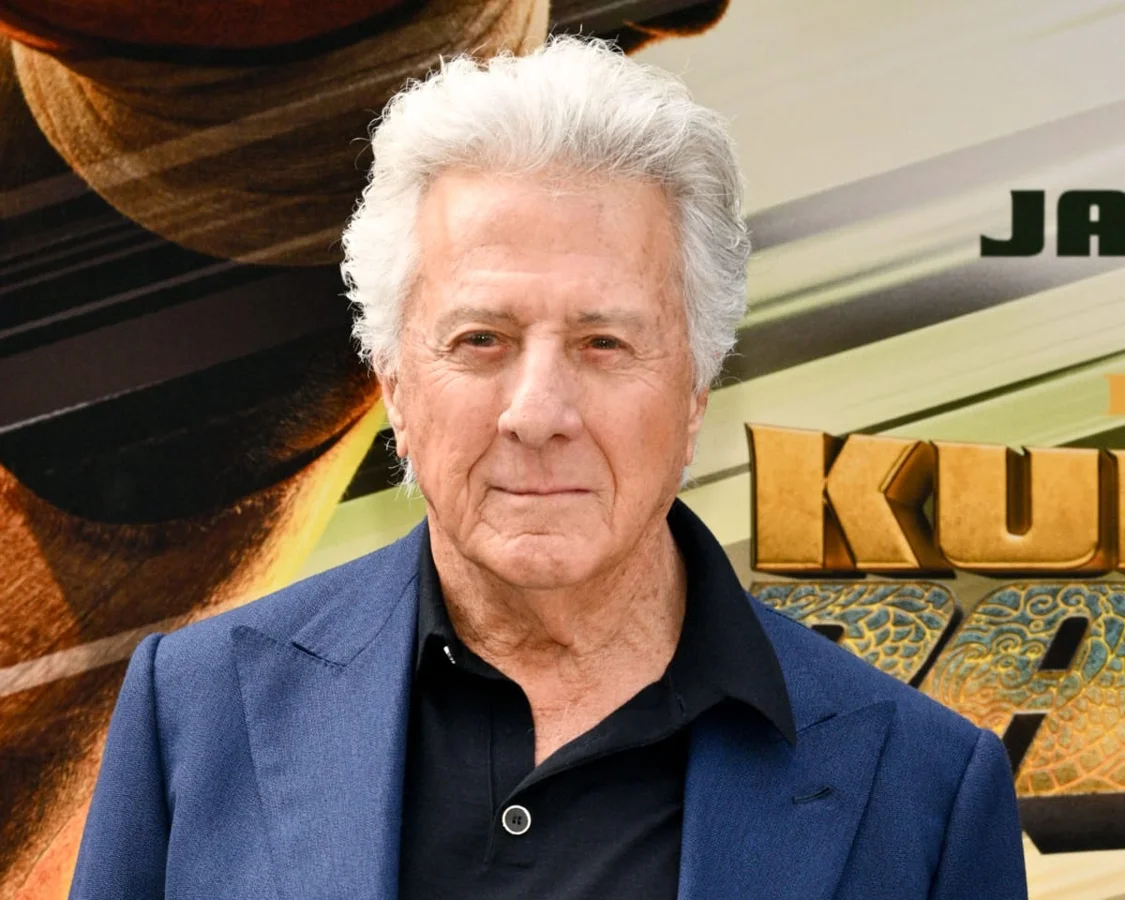
Woodall described working alongside Dustin Hoffman and Tovah Feldshuh as an extraordinary experience. He called Hoffman a legendary figure in acting, someone many consider part of the “Mount Rushmore” of performers. Regarding Feldshuh, Woodall praised her warmth and kindness, joking that he wished she would “look after me forever.” The opportunity to collaborate with both actors was described as a gift, enriching his experience on set.
The Dynamic and Improvisational Chemistry with Dustin Hoffman
Despite initial anxiety about working with Hoffman, Woodall quickly found his rhythm. The early days on set challenged him, feeling intimidated and self-conscious about performing alongside such a celebrated actor. However, as filming progressed, Woodall grew confident and embraced the improvisational style that Hoffman favored, leading to organic and memorable scenes.
One particular scene involved a short script segment that expanded into 20-minute improvised takes. Hoffman’s love of storytelling shone through in these moments, with anecdotes that appeared rambling but always circled back with purpose. Woodall recounted a humorous exchange about sharks, mercury, and tuna, where Hoffman spun a long tale about fishing and eating sharks that ended in laughter, illustrating Hoffman’s genius for spontaneous storytelling.
“Fuck, this is why you are who you are.” —Leo Woodall
Director Daniel Roher’s Transition from Documentary to Narrative Filmmaking
Daniel Roher, known primarily for his documentary work including the Oscar-winning Navalny, stepped into fiction directing with Tuner. Woodall praised Roher’s intelligence and clear vision, noting how the director’s direct and focused style helped anchor the film. Although Roher admitted he was initially unprepared for working with actors in this new context, Woodall emphasized that Roher adapted quickly, becoming a natural storyteller and collaborator. Their mutual trust and friendship grew over the production, making the filmmaking process feel like a shared creative journey.
Implications for Audiences and the Film’s Future
Tuner offers viewers a rare glimpse into the life of someone with hyperacusis, wrapped in the tension of a thriller involving crime and complex relationships. With Dustin Hoffman’s mentorship character adding depth and humor, the film promises an intense but empathetic exploration of disability and talent. Its screening at major festivals like Telluride and Toronto sets the stage for wider recognition, potentially raising awareness about lesser-known hearing disorders and redefining how characters with such conditions are portrayed in cinema.
Leo Woodall‘s portrayal navigates both vulnerability and strength, offering an immersive portrayal that challenges typical narratives. With a fresh directorial voice from Daniel Roher and a strong supporting cast including Havana Rose Liu and Tovah Feldshuh, Tuner is positioned as an intriguing crossover between documentary sensibility and dramatic fiction, appealing to audiences hungry for layered stories and compelling performances.
