
Toronto sets the stage for the limited release on November 7 of The Choral, a World War I drama featuring Ralph Fiennes as Dr. Henry Guthrie. Although the movie brings together a respected ensemble cast and a screenplay by acclaimed playwright Alan Bennett, it struggles to captivate audiences fully, leaving questions about director Nicholas Hytner’s choice to helm the project. The film takes place in Ramsden, a fictional Yorkshire town in 1916, during the height of the Great War, where local men have gone off to fight, and the community faces mounting losses.
Hytner’s film marks a rare cinematic venture for the theater veteran, making it only his seventh film in three decades. The story aims to explore the collective grief and resilience of a small English town through its struggling Choral Society and the complicated lives of its members, yet it finds itself spread thin by numerous intersecting character arcs and themes.
A Complex Fabric of Characters and Storylines
The narrative focuses on two young men, Lofty (Oliver Briscombe), a postal carrier tasked with delivering fatal war notices, and his friend Ellis (Taylor Uttley), whose humorous, bold persona contrasts with the somber setting. Alongside them are village elders Mr. Trickett (Alun Armstrong) and Mr. Fyton (Mark Addy), who seek to revive the local choir as a symbol of communal spirit. The film weaves in a host of supporting characters, such as Mary (Amara Okereke), a Salvation Army nurse praised for her angelic voice; Bella (Emily Farrin), anxious about her missing boyfriend; and Mrs. Bishop (Lyndsey Marshal), the town’s known woman of the night, among others.
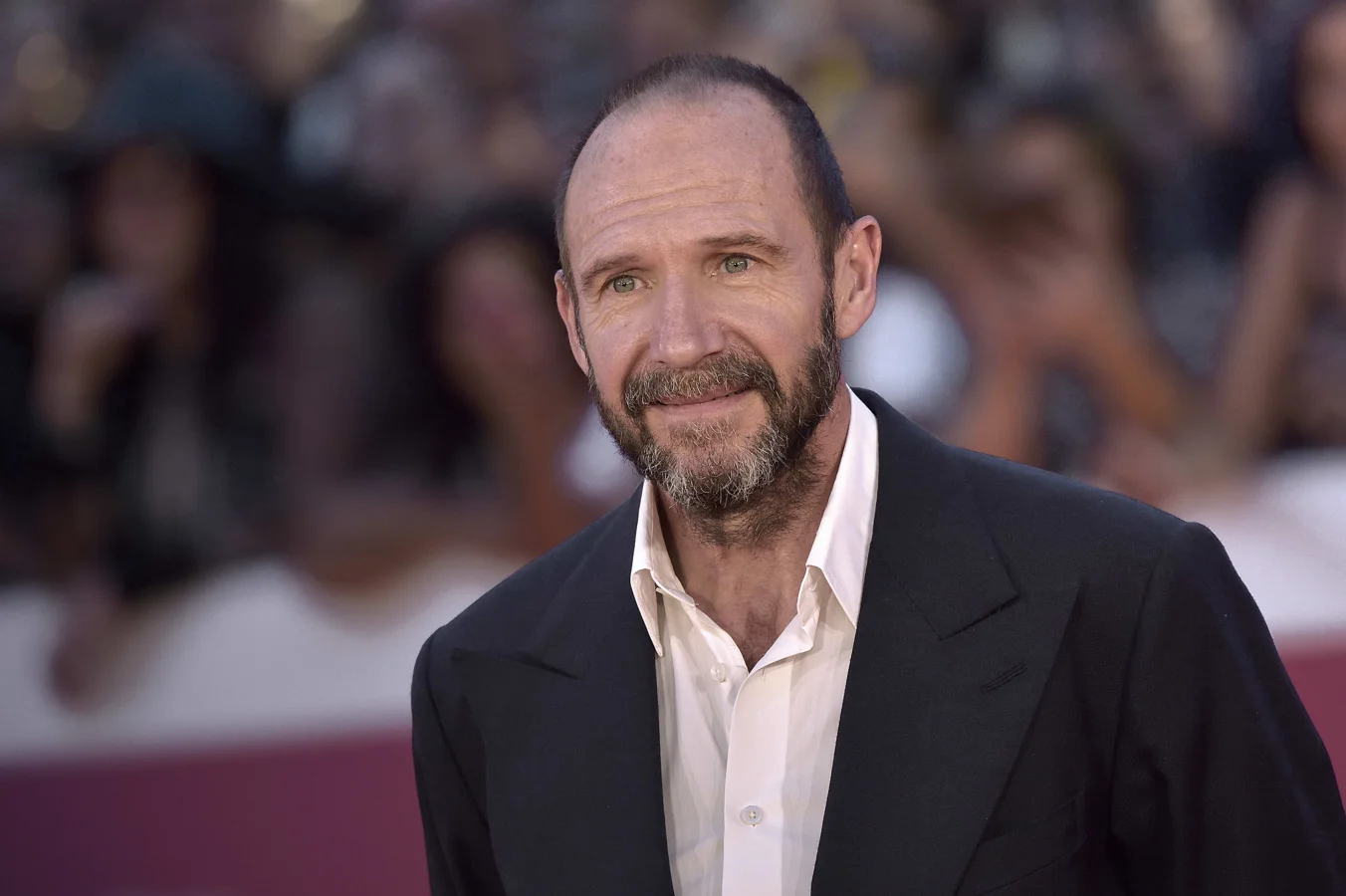
The Choral Society, depleted due to the ongoing war, turns to the controversial Dr. Henry Guthrie, portrayed by Ralph Fiennes, to direct their next concert. Despite Guthrie’s impressive background, his recent years working in Germany and his atheist beliefs have damaged his standing in the conservative village, compounded by his detachment from family life. Supporting him is Robert Horner (Robert Emms), a skilled pianist who shares Guthrie’s outsider status. Their complex relationship, possibly romantic, forms a subtle yet crucial undercurrent in the film.
War’s Shadow on Music and Community
The plot highlights the community’s efforts to perform Sir Edward Elgar’s The Dream of Gerontius, with permissions granted through a brief cameo by Simon Russell Beale as Elgar himself. Guthrie’s role as choral master is to shape the diverse group into a cohesive ensemble capable of delivering the challenging piece. However, the film largely diverges from focusing on Guthrie’s musical leadership, choosing instead to explore the personal lives and romantic tensions among the town’s youth facing the war’s brutal reality.
This emphasis on youth and their sexual anxieties, particularly the pressure to lose virginity before heading to an almost certain death, introduces various romantic and comedic subplots. Nevertheless, these storylines often overshadow the central theme of preparing for the choir’s performance, which while well executed, lacks the expected emotional weight as the movie approaches its conclusion.
Directorial Choices and Emotional Restraint
Known for avoiding sentimentality, Hytner’s restrained approach permeates the film’s tone. While this choice maintains a calm and somber atmosphere, it also limits the exploration of deeper emotional moments. A poignant scene features Mark Addy’s portrait photographer, who captures three soldiers on the brink of deployment with a smile that masks the impending tragedy. The actor’s subtle display of tears invites the audience to linger on the emotional stakes, but the film cuts away too quickly, diminishing the potential impact.
Despite performances from skilled actors like Fiennes and Emms, their characters’ inner conflicts and relationships are hinted at rather than fully realized. Bennett’s screenplay packs in numerous themes—including conscientious objection, unspoken love, and social tensions—that are introduced but ultimately underdeveloped, leaving many threads unresolved.
Alan Bennett’s Screenplay and Its Missed Opportunities
Alan Bennett, approaching 90, delivers sharp, witty dialogue that punctuates the film throughout. The screenplay ambitiously incorporates a wide range of characters and social dynamics within the insular Yorkshire town, from the local alderman Bernard (Robert Allam) who preaches equality in the choir but acts otherwise, to an epileptic baker included for narrative texture. Still, the screenplay’s sprawling nature dilutes its focus, preventing a strong dramatic through line from emerging, especially concerning the friendship between Guthrie and Horner.
The ambitious script could have been the foundation for a memorable and moving exploration of community, war, and music. Instead, the film feels uneven and underwhelming, raising doubts about whether a different director might have better captured the story’s emotional core or if Hytner’s theatrical sensibilities translated effectively to the cinema screen this time.
Looking Ahead: Anticipation Versus Execution
With The Choral opening in limited theaters on November 7, audiences and critics alike will gauge the film’s success in balancing its rich source material with a restrained cinematic style. The film’s significance lies partly in its attempt to depict a rarely portrayed aspect of World War I—the impact on small communities and cultural life during wartime hardship. However, its scattered narrative and withheld emotional depth may result in a muted response.
As Ralph Fiennes leads this ensemble, alongside notable talents like Amara Okereke and Mark Addy, viewers can appreciate the acting craft amid a story that ultimately falls short of its potential. The film serves as a reminder of the challenges inherent in translating complex historical dramas into compelling cinema, especially when many narrative ambitions risk overshadowing one another.
