
The 1992 film Bram Stoker’s Dracula, directed by Francis Ford Coppola, remains one of the most visually striking adaptations of the classic vampire tale. Centered in foggy, atmospheric Transylvania, it combines gothic horror with a distinctly dramatic flair. Gary Oldman’s portrayal of Dracula is intense and emotionally charged, creating a fresh and unsettling vision of the legendary vampire. Alongside him, Anthony Hopkins as Van Helsing and Sadie Frost as Lucy Westenra provide memorable performances that blend seriousness with a theatrical edge. Keanu Reeves plays Jonathan Harker, the lawyer whose journey sets the story in motion, yet his performance drew heavy criticism despite contributing to the film’s unusual energy.
Critics have frequently disparaged Reeves’ work in the movie; outlets like Total Film labeled him
“a black hole of sex and drama,”
while Virgin Media described his acting as both “painful” and “hilarious.” IGN’s AskMen harshly judged his range and instincts as abysmal. Despite these negative reviews, Reeves’ portrayal aligns well with the campy, stylized tone of the film, which embraces old-school effects and exaggerated gothic elements.
The Film’s Campy Charm and Theatrical Effects Shape Its Atmosphere
Bram Stoker’s Dracula is deliberately a spectacle that shines through theatricality and vintage special effects. Coppola’s dynamic camera work enhances scenes when entering Dracula’s castle or Lucy’s home, pushing the style beyond naturalism. The film’s characters exhibit overt passion, bordering on comedic obsession, especially in the way the female leads are drawn to Dracula’s allure. Van Helsing combines vampiric knowledge with a Holmes-like intellect, guiding a group of allies through the darkness with charm and wit. Jonathan Harker, played by Reeves, fits into this exaggerated world as an outsider trying to maintain his composure amidst escalating supernatural chaos.
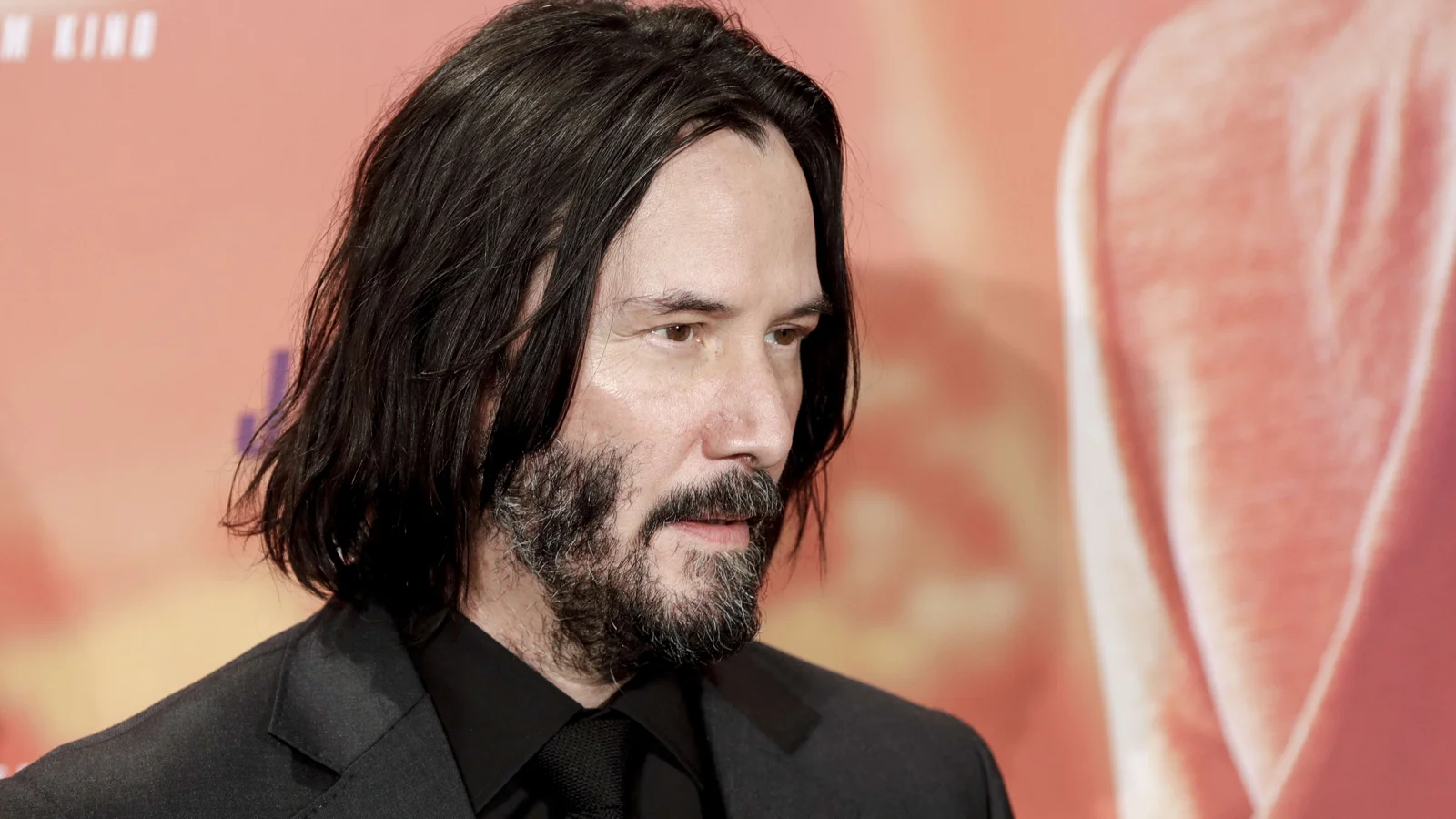
Reeves’ Jonathan Harker is often judged for his exaggerated accent and stiff demeanor, but these choices reflect a man attempting to navigate unfamiliar territory while projecting confidence. His character is not a seductive or villainous figure; rather, he is an innocent who unwittingly becomes involved in Dracula’s sinister plans. This perspective grounds the film amid its gothic excess and heightened drama. Harker’s sometimes unnatural delivery serves as a subtle expression of his effort to rise above his own fears and social insecurities, particularly given his engagement to Mina, played by Winona Ryder, whose background is more refined.
Understanding Reeves’ Character Through Context
Jonathan Harker is positioned between two dominant spheres of wealth and power: the mysterious world of Dracula and the social elite embodied by his bride Mina. Reeves’ heightened mannerisms and vocal choices can be seen as an appropriate reflection of Harker’s naivety and bewilderment at being thrust into these contrasting environments. Within the film’s overall camp approach, the law clerk’s awkwardness adds a relatable human angle to the story’s supernatural proceedings.
The movie’s use of vivid, symbolic imagery—such as vividly bleeding stone crosses and haunting visions in Mina’s dreams—further pushes the narrative into a realm beyond realism. In this context, Reeves’ performance should be understood less as poor acting and more as a deliberate expression of a man overwhelmed by the incomprehensible forces around him. Harker’s timid, sometimes awkward presence balances the lavish performances of veteran actors like Hopkins and Oldman, whose command of their roles anchors the film’s more intense moments.
The Role of Critics and Reeves’ Misunderstood Contribution
Pairing Keanu Reeves, primarily known for his action roles, alongside dramatic heavyweights may have led to unfair expectations. His portrayal of Harker might initially seem out of place amidst the film’s grandeur, but it actually complements the tone, emphasizing the film’s campy and stylized nature. Reeves embodies the “fish out of water” archetype, conveying confusion and vulnerability that suit the character’s narrative purpose.
Despite being overshadowed by more powerful performances, Reeves’ Jonathan Harker remains essential in showing the audience’s lens into this gothic world. His role as the viewer’s surrogate—an ordinary person caught in extraordinary events—grounds the story and invites empathy rather than disdain. The criticism that Reeves’ acting undermines the film overlooks his fitting contribution to the era’s cinematic conventions and the movie’s unique aesthetic approach.
Today, Bram Stoker’s Dracula continues to captivate with its bold visual style and unforgettable cast. Its presence on streaming platforms like Netflix allows a new generation of viewers to experience and judge the film firsthand, perhaps reconsidering Reeves’ part in this iconic adaptation within the broader framework of its artistic vision.
