
Mark Ruffalo has long been drawn to roles shaped by profound social and environmental issues, and his latest work continues this pattern. In the new limited series Task, debuting this September, Ruffalo immerses himself in a gritty Philadelphia drama, embodying FBI agent Tom Brandis amid a turbulent crime investigation, while simultaneously channeling his committed activism into storytelling.
Known for a career that spans over three decades, Ruffalo chooses projects that reflect his personal convictions, intertwining artistry with activism. His performances consistently radiate a genuine vulnerability, whether playing heroes, flawed detectives, or multidimensional characters rooted in real-life struggles. This ability to engage deeply with his roles has earned him multiple awards and collaborations with some of the world’s most revered directors.
Portraying Realities Through the Lens of Law Enforcement in Philadelphia
In Task, Ruffalo plays Tom Brandis, a field FBI agent confronting a web of crime and poverty on the outskirts of Philadelphia. The show examines the complex realities of communities caught between law enforcement and the destructive underground economies that thrive there. Brandis navigates a newly formed Task Force including state trooper Lizzie Stover, police officer Aleah Clinton, and county detective Anthony Grasso, all working to resolve a harrowing case involving murder, stolen children, and deep social fractures.
Ruffalo describes the experience as an intense seven-month shoot, challenging both physically and emotionally. Brandis is a man weighed down by personal tragedy, alcoholism, and moral dilemmas.
“Tom is such a troubled soul, and he’s dealing with so much. So it was a lot to carry around, to have the extra weight on, physically, and to just be living in his world,”
Ruffalo explains. He also highlighted the show‘s sensitive depiction of socioeconomic struggles, emphasizing how limited opportunities can trap individuals in cycles of hardship. This humanizing perspective comes from firsthand accounts Ruffalo has encountered, such as a friend’s reflections on life in prison:
“Mark, there are no excuses, but there’s always reasons.”
Unlike typical portrayals of FBI agents in popular media, Brandis is portrayed as a grounded, working-class figure. He was formerly a Catholic priest, and this background helps shape his empathy and nuanced approach to law enforcement.
“He’s not what you would consider to be your cliché version of an FBI agent,”
Ruffalo notes, emphasizing the softer, compassionate tactics Brandis uses when engaging with criminals and victims alike. The character is informed by interactions with a real ex-FBI agent who advised on the series.
Water as a Central Motif Reflecting Family and Renewal
A recurring metaphor in Task is the presence of water, symbolizing cleansing, escape, and primal emotion. Scenes involve characters learning to swim, diving in harsh conditions, and seeking renewal through water rituals. Ruffalo reflects on this theme as deeply intertwined with family dynamics and the quest for home.
“It’s about family. It’s about loss, it’s about longing, it’s about home. You know, ‘What is our home? How do we get home? How do we keep a home?’”
he says.
The concept of revenge also runs through the narrative, motivating crime sprees and personal choices alike. Ruffalo’s Brandis faces temptation toward vengeance but ultimately channels his energy toward love, revealing the emotional complexity underpinning the story. The series balances moments of emotional intensity with grace and subtle humor, qualities that have become hallmarks of Ruffalo’s recent HBO work.
Embracing Challenging Roles with Depth and Purpose
Mark Ruffalo selects roles that push him into difficult psychological territories, often involving prolonged immersion. This approach reflects his desire to work on projects carrying meaningful messages.
“I choose them because they mean something to me. Because they have a message that means something to me, that ultimately I feel like is a positive message, even though it might be difficult to receive,”
he states.
He recalls how some audiences found his emotionally intense 2020 series I Know This Much Is True too raw to watch during the pandemic, but he remains drawn to the challenge of roles that provoke deep reflection. While he appreciates comedy, his focus often rests on narratives that expose societal shortcomings and human frailty.
Activism Rooted in a Rich Theatrical Tradition
Ruffalo’s commitment to activism is inseparable from his artistic foundation, traceable to his training with Stella Adler. She instilled in him a belief that theater should be a space to explore and challenge societal issues, with storytelling serving as a powerful tool to promote justice and compassion.
“You have to be politically savvy and to be an artist you have to speak for all the people who don’t have a voice as an artist. To Stella, those were your responsibilities as an artist,”
Ruffalo explains.
This ethos influences his choices in both acting and producing. He has taken on multiple projects addressing environmental poisoning, corporate malfeasance, and social injustice, such as Spotlight and Dark Waters. Often, these films confront difficult truths about powerful entities—like DuPont and Exxon—whose actions have devastating consequences for communities and the planet.
Balancing Stardom and Real-World Advocacy
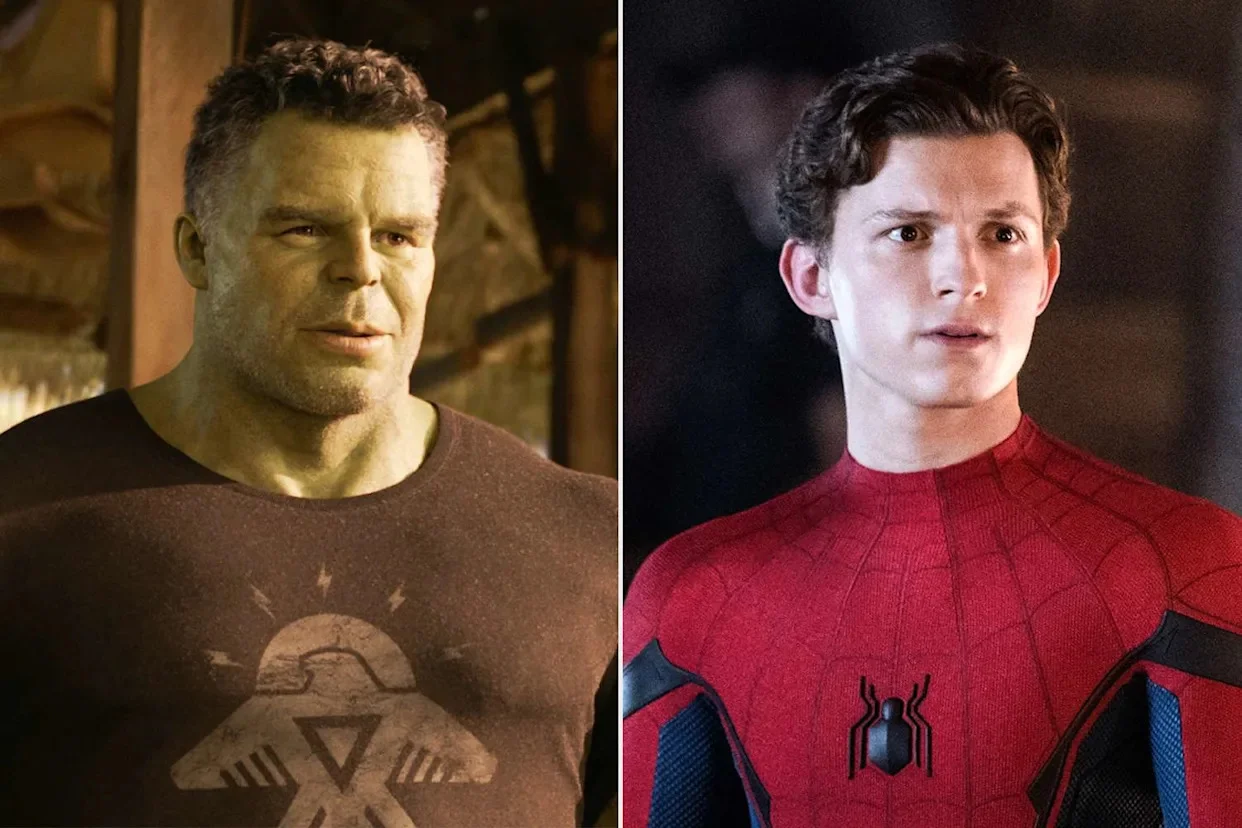
Ruffalo’s rise to fame—particularly through his portrayal of Bruce Banner and the Hulk in the Marvel Cinematic Universe—did not dampen his drive to raise awareness about critical issues. Initially surprised by the studio’s approach to casting him, he embraces the platform now as a way to amplify justice-oriented narratives. He relates this persistence to his activism:
“I think ultimately that resonates with people, whether they agree with me or not. I’m not trying to hurt anybody.”
Rather than retreating from controversy, Ruffalo chooses to integrate activism directly into his artistry. He emphasizes storytelling’s unique capacity to transcend political divides and engage audiences on shared human experiences.
“Films can transcend those polemics, entrenched ideas of identity that people hold onto. That’s what is really interesting to me,”
he remarks.
Collaborations with Visionary Directors and Memorable Characters
Throughout his career, Ruffalo has worked with leading directors from diverse cinematic traditions, including Spike Jonze, Michael Mann, Martin Scorsese, Joon-ho Bong, and Yorgos Lanthimos. These collaborations have fostered trust in his multifaceted talents, enabling him to explore a wide range of character types and storytelling styles.
One notable experience was working on Shutter Island with Scorsese, which Ruffalo describes as an immersive film study, watching period films to shape atmosphere and character. The director’s visual mastery and layered storytelling created a demanding environment that deepened Ruffalo’s understanding of cinema as a language.
His role in Lanthimos’s Poor Things pushed boundaries further, with the director employing an unconventional rehearsal process focused on physicality and sensation rather than dialogue-heavy preparation. Ruffalo recalls,
“It was very special. It was within a world that I immediately understood and could be very free within.”
The film’s global success and Oscar recognition reinforced Ruffalo’s standing as a fearless actor willing to tackle daring material.
Personal Life and Supporting New Talent
At 57, Ruffalo balances a rich personal life as a husband to Sunrise Ruffalo and father to three children, including son Keen Ruffalo, who is emerging as an actor in his own right. Keen’s first significant role appears in Task, playing a troubled youth, and he is currently shooting a lead part in a Netflix series with Megan Park.
Ruffalo also dedicates time to teaching, substituting at the Stella Adler Academy and serving on its board, nurturing future generations of actors. His background as both a teacher and an artist allows him to blend mentorship with creative expression.
Facing Environmental and Social Crises Through Film
Environmental awareness is a central theme in Ruffalo’s work and activism. He starred in two films directly investigating DuPont’s corporate crimes—Dark Waters and Foxcatcher—which revealed the destructive impact of industrial pollution. Speaking on corporate deception, he notes how companies have long misled the public about the dangers of chemicals and plastics, causing widespread harm to ecosystems and human health.
He extends this critique to other powerful industries, including Exxon’s decades-long knowledge of climate change consequences yet continued profit-driven pollution. Ruffalo’s involvement in these films is part of a broader commitment to using cinema as a platform to expose injustice and motivate societal change.
Continuing Evolution as an Actor and Advocate
Ruffalo reflects on how his career has been a continuous process of expanding his range and challenging typecasting.
“Your greatest successes become their own sort of prisons. Unless you challenge them and you challenge people’s thinking of you.”
Recent projects like Mickey 17 allow him to explore darker, morally complex characters without restraint, reflecting concerns about humanity’s future.
Despite intense roles and heavy subject matter, Ruffalo maintains that joy and humor are integral to his craft. He seeks laughter even in the darkest narratives as a vital element of human connection.
“There has to be joy, and for acting to be loose and mercurial, it has to be playful, even the heaviest shit,”
he says, recalling mentor Stella Adler’s advice to balance medicine with laughter in storytelling.
His comedic work includes the lesser-known but beloved film Infinitely Polar Bear, a tender and funny depiction of a bipolar father raising his daughters, highlighting Ruffalo’s versatility and affection for varied genres.
A Lasting Commitment to Truth and Justice in Film
Mark Ruffalo’s career and activism form a unified mission to shed light on the pressing issues of our time through authentic performances and passionate advocacy. Whether inhabiting complex characters in challenging dramas or speaking out about corporate and environmental wrongdoings, he remains steadfastly committed to highlighting stories that matter.
His work continues to inspire audiences and fellow artists alike, maintaining a rare blend of moral clarity, empathy, and artistic excellence. Fans and critics anticipate his upcoming projects, including collaborations with auteurs such as Bertrand Bonello, while celebrating his current roles that embody both heroic and human struggles.
As Mark Ruffalo dives headfirst into both icy lakes and the depths of challenging roles in series like Task, his dedication to storytelling as an act of activism promises to keep resonating for years to come.
