
Blake Lively is pursuing a court order to compel Justin Baldoni to pay millions in damages after he filed a defamation lawsuit against her. The motion, filed in early September 2024 in California, requests attorney’s fees, treble damages, and punitive damages due to the emotional and psychological harm she alleges from Baldoni’s legal actions.
Lively’s legal team cites the Protecting Survivors from Weaponized Defamation Lawsuits Act, signed into law by Governor Gavin Newsom in 2023, to support her claim. The law aims to protect survivors of sexual harassment from retaliatory lawsuits intended to silence their voices.
Legal Foundations Cited by Blake Lively’s Attorneys
The motion claims that Lively has successfully defended herself in the ongoing litigation and should be compensated for the legal costs incurred. Her attorneys argue that the defamation claim filed by Baldoni was abusive of the court system and designed to intimidate her after she accused him of sexual harassment on set.
Her team emphasizes that the California legislation
“ensures that individuals who experience sexual harassment or retaliation are able to share their experiences with courts, agencies, the press and others without fear of being sued for doing so.”
A spokesperson added,
“Sadly, Ms. Lively is not alone in facing a retaliatory defamation suit after speaking out about harassment at work,”
and continued,
“That is precisely why California enacted AB 933: to make clear that survivors are protected when they speak up, and that those who weaponize the legal system to silence them will be held accountable, not just for attorneys’ fees, but for treble damages and punitive damages as well.”
Defenses Raised by Justin Baldoni’s Legal Team
Baldoni’s attorneys dispute the application of the new California law to this case and argue their client’s defamation suit was grounded in fact and not intended to intimidate. They contend that Lively is attempting to avoid responsibility for alleged wrongful conduct by portraying herself solely as a victim.
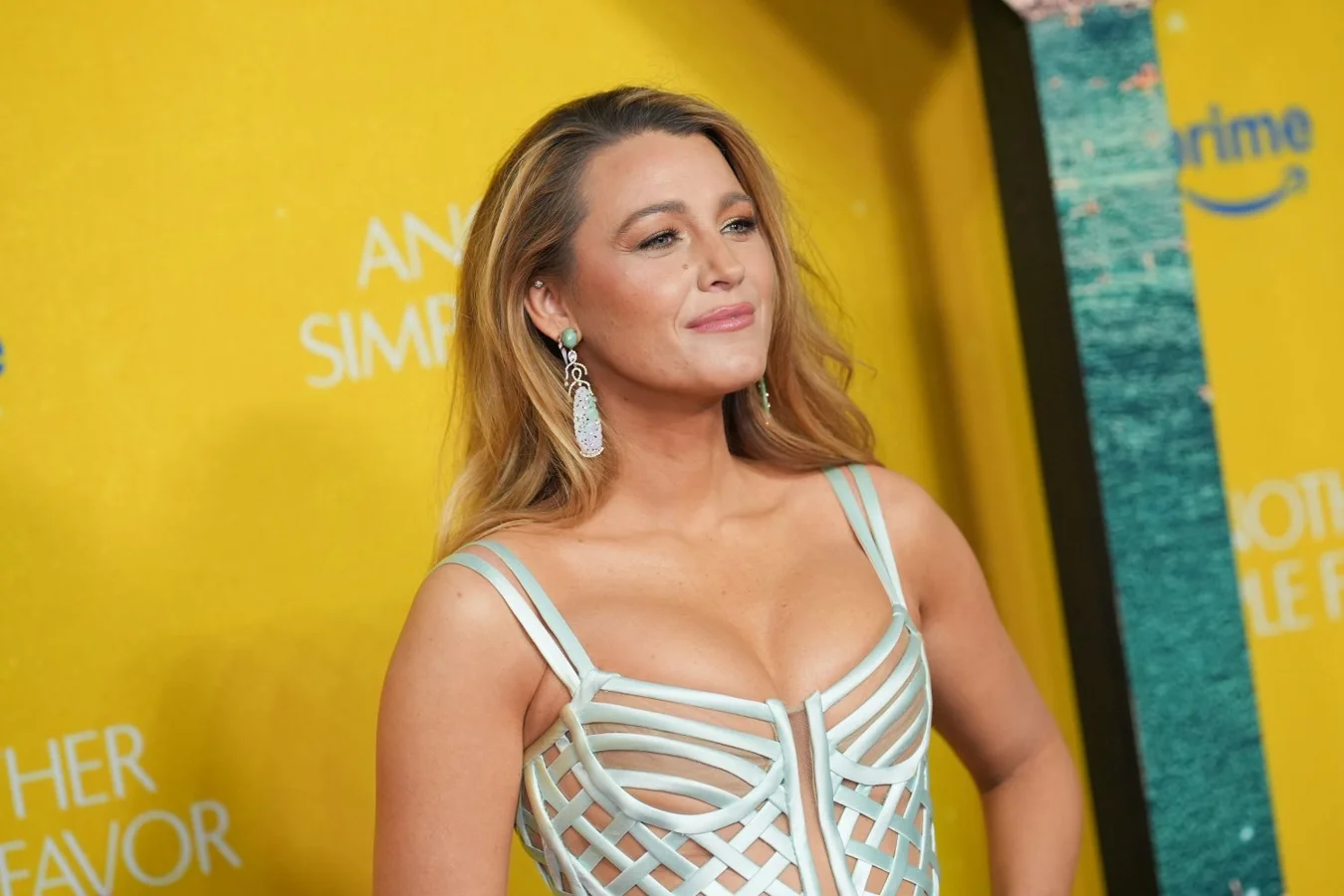
In court filings, Baldoni’s lawyers stated that Lively’s claims were fabricated or exaggerated to manipulate control over the film project and to repair her public image following negative publicity. They wrote,
“In essence, Lively asks the Court to find that she is immune from any culpability for her wrongful acts, and instead it is the Wayfarer Parties who must be punished for daring to exercise their constitutional right to seek a remedy from the Court for her lies.”
They further contended that
“Lively fabricated her allegations of sexual harassment, either wholesale or by exaggerating benign (and not harassing) interactions in a concerted, malicious effort to seize control of the Film and later to restore her reputation after a well-publicized series of marketing missteps that sullied her reputation.”
Background of the Legal Dispute Between Lively and Baldoni
The legal battle began in December 2024 when Blake Lively publicly accused Justin Baldoni, her costar and director of the film It Ends With Us, of sexual harassment and creating a hostile work environment. Lively alleged that Baldoni launched a smear campaign against her in retaliation for speaking out.
Following these accusations, Lively filed a lawsuit against Baldoni, claiming retaliation tied to her sexual harassment complaint. Baldoni responded by denying the allegations and filing a countersuit seeking $400 million. However, in June 2025, a judge dismissed Baldoni’s countersuit, ruling in favor of Lively.
Lively’s lawyers commented at that time,
“As we have said from day one, this ‘$400 million’ lawsuit was a sham, and the Court saw right through it. We look forward to the next round, which is seeking attorneys’ fees, treble damages and punitive damages.”
Upcoming Trial and Implications of the Case
Lively began her deposition on July 31, 2025, as this complex case moves forward. The trial is currently scheduled for March 2026, where the contested allegations and requests for significant damages will be thoroughly examined in court.
This case highlights ongoing tensions regarding how sexual harassment allegations are addressed in the entertainment industry and sets a potential precedent for how California’s anti-weaponized defamation law may be applied in high-profile disputes. The outcome could influence how survivors of harassment are legally protected and how retaliatory lawsuits are handled moving forward.
