
Jeremy Renner and Elizabeth Olsen star in the 2017 crime thriller Wind River, a film drawing significant attention since its release on Netflix. Set in the complex environment of the contemporary American West, the movie explores the harsh realities faced on Native American reservations through a tense murder investigation, raising questions about its roots in real events. The movie’s gripping narrative reflects incidents remarkably similar to true tragedies, making its connection to real stories a critical point of interest.
Taylor Sheridan, the director and writer of Wind River, shared in an NPR interview that the film does not focus on one specific case but is instead based on many real-life accounts. He remarked,
“thousands of actual stories just like it.”
Sheridan highlighted the ongoing problem of sexual violence on reservations, stating,
“This issue with sexual assault against women on the reservation, I mean, it’s existed since the inception of a reservation system. But, really, in the past 15, 20 years, it’s exploded.”
He emphasized the silence surrounding these crimes as his motivation to tell the story:
“And it gets no attention, which is the motivation for writing the film.”
Sheridan’s Personal Experiences on Reservations
Sheridan’s inspiration for Wind River stems from his own experiences living on Native American reservations during his late twenties. In testimony supporting the Savanna’s Act, he explained that his travels and residency on reservations offered insight into the lives of these communities. He formed friendships with members of the Northern Arapaho and Eastern Shoshone nations on the Pine Ridge reservation, witnessing firsthand the effects of poverty, unemployment, and crime within these areas.
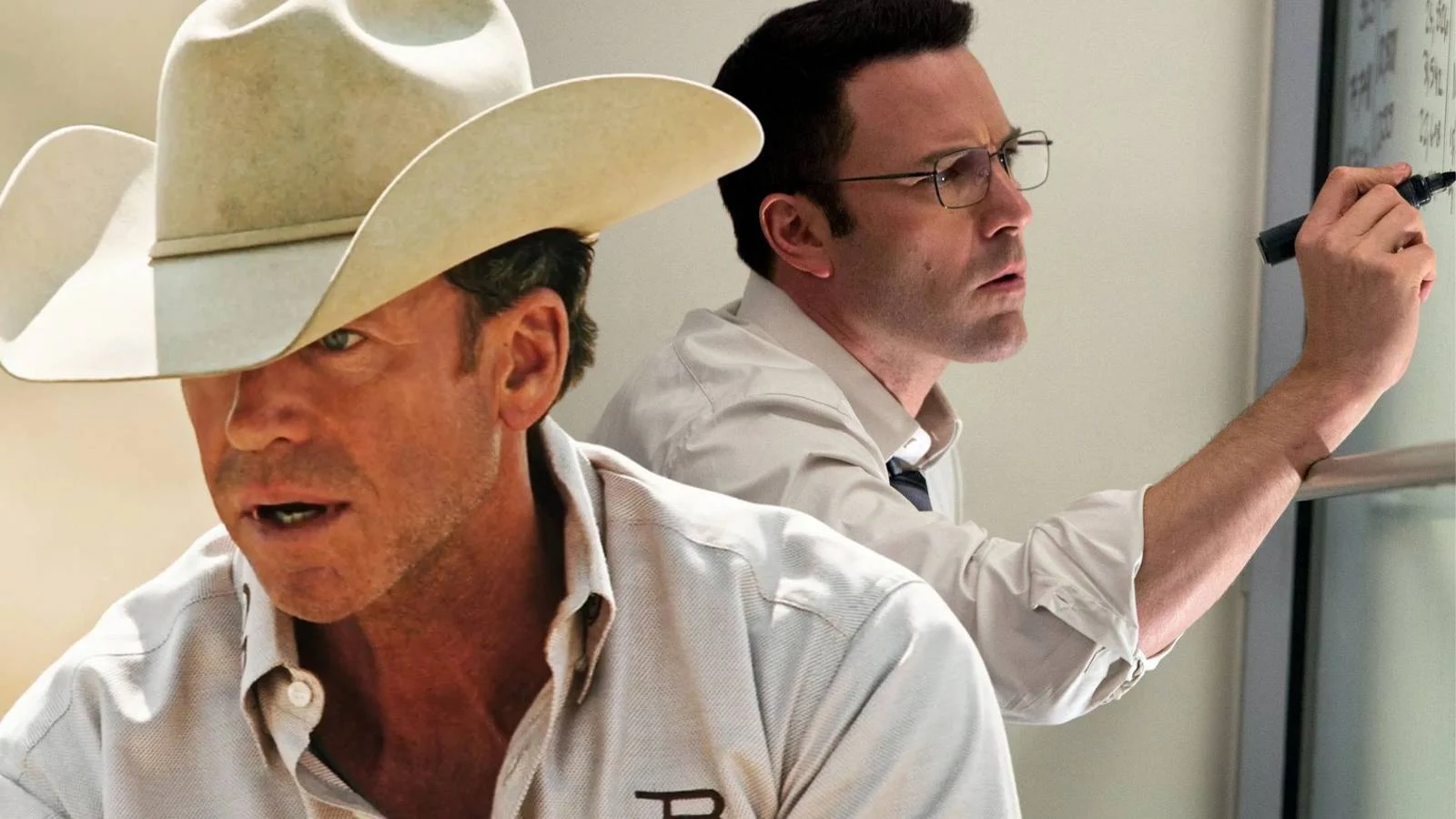
He shared a personal instance of prejudice, recounting,
“My buddy was like, ‘You’re hanging out with the Indians. They aren’t going to sell you s**t.”
Sheridan added,
“It was the only time in my life that I’ve experienced anything close to racism. I was judged not for my race but for their race.”
Sheridan noted that the Pine Ridge community often felt ignored by the broader American society, with their challenges largely unseen. Using his platform, he aimed to give their stories a wider audience:
“I was told, ‘Hey, you’ve got a pipeline. No one gives a s**t about our story,”
he recalled.
The Story of Natalie Hanson: A Reflection of Reality
Wind River centers on the investigation of Natalie Hanson’s rape and murder, a young Native American woman portrayed by Kelsey Asbille. Sheridan revealed in written testimony on the National Indigenous Women’s Resource Center website that the narrative was inspired by real cases he encountered within the Oglala Sioux Tribal community on the Pine Ridge reservation.
He described Natalie as
“a basketball star with exceptional athletic ability and a student leader with an impressive academic record that would make her the first in her family to attend college,”
signaling her potential to break free from the cycle of poverty affecting many on reservations. Sheridan further explained,
“By all accounts, Natalie’s path in life pointed towards her escaping the cycle of poverty endemic to Indian reservations and the possibility of becoming a future leader in her community and elsewhere.”
After being missing for days, Natalie’s body was found in a remote area of the reservation. Sheridan remarked,
“Very little is known about the circumstances surrounding Natalie’s death, but stories like hers have become commonplace,”
and noted the impact on the community and justice system:
“Natalie’s story, and countless others like hers, was the inspiration for Wind River, which tells the story of a young woman’s rape and murder on the Wind River Indian Reservation, as well as the heartache and difficulties endured in bringing her perpetrators to justice.”
The Broader Importance of Wind River’s Story
Wind River sheds light on the often overlooked and escalating crisis of violence against Native American women, a deeply rooted issue that has persisted for decades. Taylor Sheridan’s film, motivated by true accounts and his personal observations, brings focus to the social and systemic challenges on reservations, including poverty, isolation, and an inadequate response from authorities. By illustrating these realities through a compelling crime story, the film raises awareness and challenges viewers to recognize the struggles that many Native communities continue to face.
As public interest in these issues grows, Wind River has the potential to spark conversations, influence policy discussions like those involved with the Savanna’s Act, and bring greater visibility to the stories of Indigenous peoples and the pursuit of justice for victims like Natalie Hanson.
