
Before the UFC and MMA world became associated with political factions and podcast personalities, it belonged to a raw, no-holds-barred subculture overshadowed by the theatrics of WWE. One of the earliest figures to emerge from this scene was Mark Kerr, a skilled wrestler known for his relentless fighting style. Kerr’s career was marked by dramatic highs and lows, struggles with prescription painkiller addiction, and the changing landscape of the sport. Compounding his challenges were a tumultuous relationship with his passionate girlfriend and his internal conflicts with anger and self-doubt.
This storyline might sound familiar, resembling much of the usual fighting biopic material. Boxing, in particular, has long supplied cinematic fodder thanks to its blend of graceful yet brutal combat. Such stories frequently invite biographical film adaptations, although the genre often confines itself to predictable formulas. At the Toronto International Film Festival (TIFF) 2025, the biopic Christy was released, presenting another true fighting story but falling short by feeling generic. In contrast, The Smashing Machine benefits from a director’s indie sensibility, offering a more textured experience even if it cannot fully break free from the sport’s limited narrative scope.
Director Benny Safdie’s Gritty Vision Captures the Sport’s Harsh Reality
Benny Safdie, who earned the Best Director award at the Venice Film Festival for this film, delivers a style that is striking yet accessible. His direction evokes the late 1990s with VHS-like grain and a grimy atmosphere that mirrors the period just past. The film’s setting—from the flashy, cheesy fireworks and electric guitar anthems in the ring to the dilapidated training rooms—is deliberately unpolished. The violence is unflinchingly brutal; every strike, every knee to the face is loud and bloodied. Though the UFC’s brand helps market the film, The Smashing Machine implicitly critiques the sport’s inherent brutality and calls into question its legitimacy.
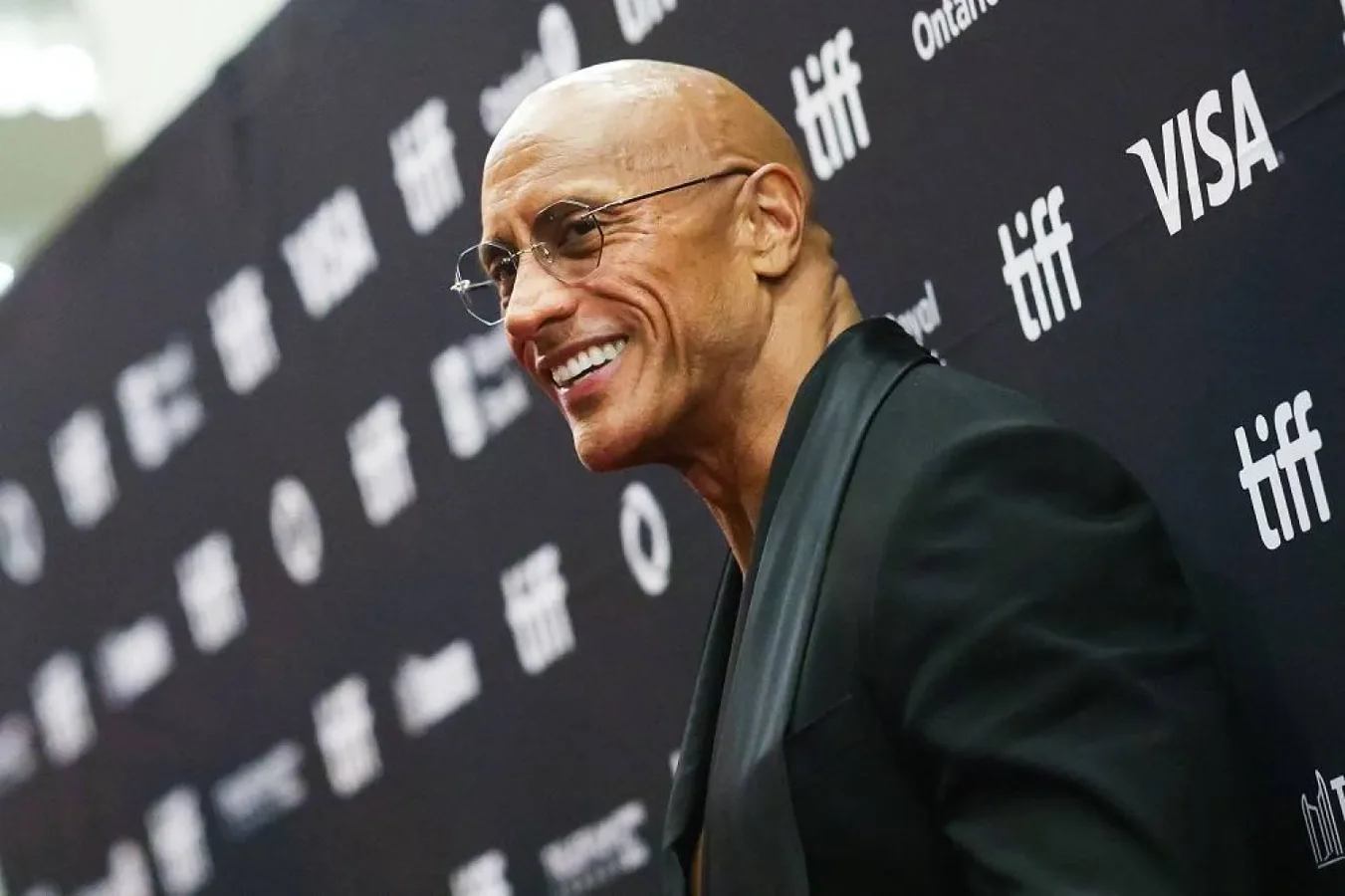
Dwayne Johnson’s Transformative Turn as Mark Kerr
Much discussion around the film has centered on Dwayne Johnson’s potential to transition from megastar action hero to Oscar-worthy character actor. This project represents a calculated risk for Johnson, who is known for meticulously managing his career and image. His portrayal of Kerr allows him to break away from his typical persona and demonstrate genuine acting range.
As Kerr, Johnson is physically dominant yet intriguing in how he oscillates between warmth and barely contained rage. His performance captures a man who is outwardly polite and talks casually about his “tummy aches,” but whose smile can suddenly widen unnervingly, his eyes darkening when pushed to the edge. The depiction of Kerr’s obsessive self-control and his complex psychological state is where Johnson is most compelling. While the role might not be radically different from his past work, it presents him in a more serious artistic light. Given the year’s relatively weak competition, Johnson has a strong chance of receiving an Oscar nomination for this work, even if the performance itself is not groundbreaking.
Avoiding Clichés While Highlighting a Fighter’s Struggles
Safdie, who also wrote the screenplay, clearly sought to steer clear of typical fighting biopic tropes. Instead of showing clichéd drug-use montages or flashbacks to Kerr’s childhood, the story compresses events, focusing on three pivotal years in Kerr’s career, especially his time competing in Japan. The film contrasts Kerr’s behavior before and after undergoing rehabilitation, leaving much of his low points—such as deeper addiction struggles—off-screen. This approach is intentional and respects the audience’s imagination, though it leaves the narrative feeling somewhat fragmented.
The volatile dynamic between Kerr and his girlfriend is intense but lacks emotional payoff, as the audience does not experience the true impact when their relationship deteriorates. Similarly, Kerr’s friendship and rivalry with fellow fighter Mark Coleman—portrayed by Ryan Bader, an active MMA fighter making his acting debut—offers authenticity but little complexity. The film’s deliberate resistance to biopic conventions results in a story that feels both cautious and incomplete.
Exploring Masculinity and UFC’s Brutal Business Model
Despite its discomfort with standard biopic conventions, The Smashing Machine struggles to fully engage with the broader themes beneath Kerr’s story. There is unfulfilled potential in examining how masculinity is constructed within the violent world of the UFC and the exploitation of broken athletes for entertainment and profit. The film neither glamorizes nor deeply condemns the brutal nature of the sport, leaving a sense of ambivalence that weakens its thematic impact.
Premiere and Upcoming Release Details
The Smashing Machine had its North American debut at the 2025 Toronto International Film Festival and is scheduled for theatrical release on October 3. The film’s launch represents a significant moment not only for MMA enthusiasts but also for Dwayne Johnson’s ongoing pursuit of critical acclaim and an Oscar. His portrayal invites a reassessment of his acting capabilities, challenging his usual blockbuster image and signaling a possible new direction in his career.
As audiences and critics continue to digest this layered portrait of a complex athlete, Johnson’s performance and Safdie’s gritty direction ensure the film will spark conversations about the cost of fame, addiction, and the often hidden human toll behind professional fighting.
