
In 1997, renowned filmmakers Martin Scorsese and Francis Ford Coppola openly discussed the film industry’s trajectory, highlighting alarming trends that would soon erode cinema’s cultural significance and box office allure. Speaking with Geoffrey Gilmore on Hollywood Insiders, they predicted the rise of excessive executive salaries, the overreliance on digital effects, and the diminishing quality in storytelling due to shrinking audience attention spans and waning cinematic literacy. These early warnings about the Martin Scorsese future of cinema have since proven eerily accurate, despite being largely ignored by industry leaders.
The Erosion of Directorial Influence Amid Studio Control
One of the most significant shifts observed by Scorsese and Coppola was how directors’ creative authority diminished between the 1970s and 1990s, supplanted by producers and studio executives more concerned with shareholders than artistry. Scorsese pointed out that
“when there’s more money to be made, less risk has to be taken,”
underscoring how executive decisions became driven by profit rather than film quality. This trend is exemplified by the recent case of former Paramount CEO Bob Bakish, who received a $70 million severance package despite leading the company into financial trouble.
Francis Ford Coppola described the management’s desperation plainly during the 1997 interview:
“I personally think that the management of the traditional studios are desperate because they know they are unnecessary, they know they’re overpaid, and they know the truth that the films really cost more than they’re publicly admitting, and they’re doing less. So it’s going to change.”
This insight remains relevant three decades later, as executive overcompensation persists, budgets are frequently misrepresented, and creative risk-taking has been stifled by layers of middle management lacking industry expertise.
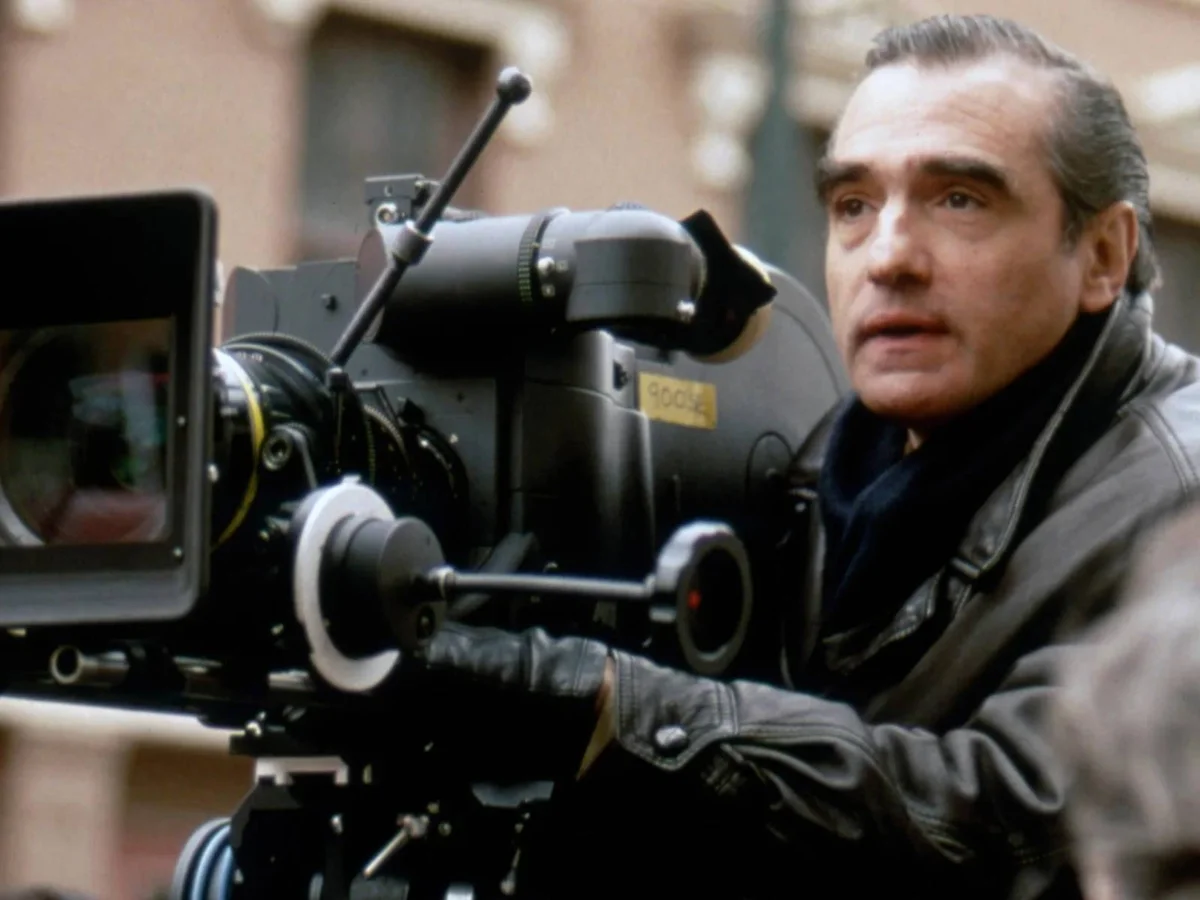
Moreover, the influence of data-driven decision-making has ballooned, with directors like Cary Fukunaga noting how algorithms increasingly dictate creative choices, as he reluctantly admitted to GQ in 2018. The growing presence of technology in creative control only intensifies concerns about the erosion of traditional filmmaking values.
The Homogenization of Film and Audience Expectations
The pair also warned of the homogenization permeating contemporary cinema, beyond just executive dysfunction. Coppola’s experience with the 2015 Fantastic Four fiasco, where young director Josh Trank was undermined by 20th Century Fox, reflected the struggle filmmakers face in maintaining artistic control. Coppola alluded to his own creative frustrations, asserting that studios have held his family’s livelihood hostage, forcing him to abandon passion projects, likely referencing his upcoming 2024 film Megalopolis.
Meanwhile, Scorsese expanded the critique to the audiovisual sameness gripping Hollywood. He excoriated the uniformity in promotional materials, stating bluntly:
“Every poster looks exactly the same,”
and added,
“Even the actors’ faces look the same!”
This observation highlights how marketing and casting decisions increasingly favor formulaic, recyclable visuals over distinctive artistry. A 1990s comparison reveals that younger audiences now possess a television-shaped frame of reference, accustomed to rapid-fire dialogue and constant action, which impacts their appreciation for traditional cinema. Scorsese lamented,
“frame of reference is television with snappy dialogue,”
illustrating the shift in audience expectations and attention spans that contribute to a diluted theater experience.
His criticism partly explains his infamous dismissal of Marvel movies, as well as the growing perception of movie theaters less as temples of cinematic art and more akin to family entertainment centers like Chuck E. Cheese’s.
Industry Icons Succumbing to the Same Pitfalls
Despite their critiques, Scorsese and Coppola have not entirely escaped the industry trends they predicted. Both have recently produced large-budget films that failed to resonate financially or critically. Scorsese’s The Irishman became a costly misstep for Netflix, while Coppola drained personal resources on CGI-heavy productions that struggled to gain traction. Both cases underscore the directors’ warnings about unrestrained budgets and the flattening influence of visual effects on cinematic storytelling.
Coppola’s earlier caution against CGI’s potential to overwhelm a director’s vision is particularly relevant to Megalopolis, suggesting that money and technology are not guaranteed pathways to creative success. Instead, these elements can introduce distractions and dilute the narrative strength that filmmaking traditionally sought to uphold.
Looking forward, the independent filmmaking spirit that Scorsese championed as cinema’s “lifeblood” has shifted substantially from grainy 16mm shorts to digital platforms such as YouTube. The career of Bo Burnham, who began on such platforms, exemplifies this evolution. While some details of their predictions missed the mark, the overall trajectory Scorsese and Coppola outlined remains an unsettling reflection of Hollywood’s present state and the future of cinema.
The Long-Term Impact on Cinematic Culture
The foresight offered by Martin Scorsese and Francis Ford Coppola illustrates a film industry wrestling with its own identity amid technological, economic, and cultural upheavals. Their warnings about executive greed, creative compromise, and audience fragmentation have largely proven true, influencing how studios operate and how viewers engage with movies today. The persistence of these issues hints at continued challenges for filmmakers, audiences, and studios, signaling a possible ongoing transformation in what cinema will become.
As the industry grapples with these realities, the legacy of this 30-year-old discussion remains a vital reference point. It prompts reflection on sustainable storytelling, the true cost of blockbuster extravagance, and the preservation of cinema as a meaningful cultural experience within an increasingly digital and fragmented entertainment landscape.
