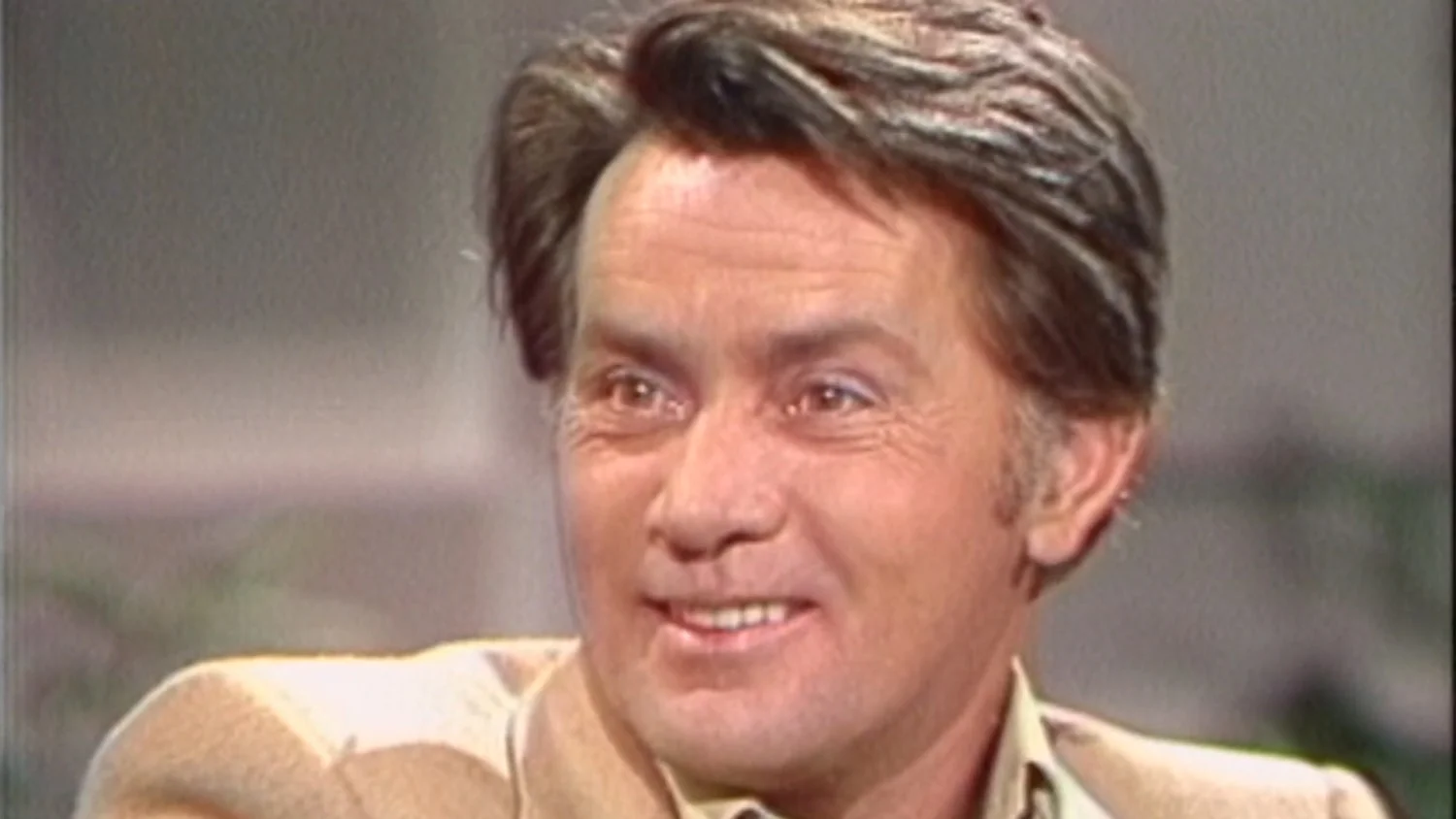
Martin Sheen's decision to turn in Charlie was seen as both a betrayal and an act of love.
On the day Netflix released the documentary series Aka Charlie Sheen, Joy Behar of The View voiced strong disapproval of actor Martin Sheen’s choice to turn his sonCharlie Sheen over to authorities during the son’s battle with addiction. The discussion arose following Charlie’s interview with ABC News host Michael Strahan, where he reflected on his father’s actions after a 1998 overdose violated his probation. The focus keyword, Martin Sheen turning son in, captures the central controversy debated on the show.
Charlie Sheen, now 60, described the moment his father admitted him to authorities over a drug overdose as a profound betrayal. Martin Sheen publicly acknowledged his son’s hospitalization, stating,
“My son was admitted yesterday, as the result of a drug overdose,”
to reporters. When asked by Strahan how he felt about his father’s intervention, Charlie responded,
“It felt like the biggest betrayal you could possibly endure,”
though he eventually recognized that it came from love.
Panel Reacts with Conflicting Views on Parental Intervention in Addiction
The View’s panel quickly delved into a heated debate. Whoopi Goldberg asked whether they viewed Martin Sheen’s decision as betrayal, prompting Joy Behar to agree firmly. Behar, drawing from her perspective as an Italian–Americanmother, argued against involving law enforcement in addiction, saying,
“It’s called The View, and my view as an Italian mother is you do not turn your children in, especially if they have a drug problem or mental health problem, you send them to a shrink or hospital,”
and added,
“You don’t call the police. Martin Sheen made a big mistake. Your child is suffering, they have an illness, you do not send them to police, sorry.”
In contrast, conservative cohostAlyssa Farah Griffin disagreed, citing her own sister’s recovery as a framework. Griffin emphasized the power of tough love, stating,
Image of: Martin Sheen
“The most loving thing a parent can do is tough love and get you off the streets and the help that you need. You’re a danger to yourself.”
When Behar questioned,
“How do you get the help that you need in jail?”
Griffin’s view stood firm.
Supporting Opinions and Tensions Among Panelists
Sara Haines sided with Griffin, asserting that some parents enable their children by avoiding tough decisions. She explained,
“I think sometimes parents bury the bodies, don’t turn the kid in, and enable their child,”
which sparked Behar’s humorous denial, “That’s not what I said!” Haines continued,
“When you enable a child for decades, you are part of the problem that ends up living in your house, incapable of employment, not being able to support a family or see a life that you wanted for that kid, because you helped do it.”
Legal expert Sunny Hostin aligned with Behar’s stance, pointing out that the Sheen family had resources to seek hospital care instead of involving the police. Whoopi Goldberg responded emotionally, interrupting the conversation to express frustration:
“I’m sorry, I’m going to shut this down right now,”
she said, adding,
“Because if you don’t think they did everything. When I tell you, they did everything to get him straight. This was the last straw. Because there was nothing left, and what they didn’t want and thank God it didn’t happen, is they didn’t want him to die on the street, so that’s why that went down. Every family has to handle this differently because every addiction is different.”
Goldberg, who has personal experience with addiction, remarked,
“closer to it because, having been an addict, I understand an addict’s way of thinking. We can BS you like nobody’s business.”
Broader Context Around Charlie Sheen’s Journey and Public Attention
Charlie Sheen’s openness in interviews and through his documentary has rekindled interest in his turbulent past. The Netflix series, along with his memoir The Book of Sheen, highlights events from his life, including his encounter with a water buffalo being slaughtered on the set of Apocalypse Now, admissions about his sexuality, and his regret about not contacting fellow actor Matthew Perry before Perry’s 2023 death from a ketamine overdose.
Reflecting on Perry’s passing, Charlie shared with Page Six,
“I was going to call him, just reach out and try to meet him up for a cup of coffee or something, And regrettably, I didn’t. And Jesus, three weeks later, he died.”
An Entertainment Weeklyrepresentative confirmed reaching out to Martin Sheen’s team for comment but no response has been reported.
The Complexity of Navigating Addiction Within Families
The heated exchange on The View underscores the difficult decisions families face when dealing with addiction. The conflict between viewing parental intervention as betrayal versus tough love reflects broader societal debates. The perspectives shared by the panelists—ranging from cultural values to personal experiences—illustrate how varied approaches to addiction treatment can be.
Martin Sheen’s choice to involve law enforcement remains a contentious issue in discussions about the best way to help loved ones suffering from substance abuse. The conversation highlights the tension between seeking immediate safety and the impact such choices have on trust and family relationships. As Charlie Sheen continues sharing his story publicly, these debates about the balance between care and control in addiction recovery are likely to persist.