
Warner Brothers is taking an unusual approach to promoting Paul Thomas Anderson’s latest film, One Battle After Another, by introducing character skins into the popular video game Fortnite. This move marks one of the first times the director’s work has intersected with a game platform, a surprising choice given that Anderson’s films have never been associated with video game tie-ins before. The marketing effort, arriving in September 2025, reflects an attempt to engage a broader audience despite seeming out of sync with Anderson’s typical tone and style.
Video Games and PTA: A Historically Unlikely Pairing
Paul Thomas Anderson’s films have traditionally resisted translation into video game formats. Although fans like Andrew Sanford have expressed enthusiasm for a potential free-roaming adaptation of There Will Be Blood, such projects have never materialized. Past rumors of promotions, such as adding Daniel Plainview as a downloadable character in Grand Theft Auto 4 or downloadable skins featuring Barry Egan from Punch Drunk Love, were unfounded and never happened. This hesitance stems from the complex, often subtle nature of PTA’s storytelling, which does not easily fit conventional gaming narratives or mechanics.
Warner Brothers’ Fortnite Collaboration: A Surprising Development
The recent announcement that Warner Brothers will be releasing Fortnite skins based on One Battle After Another has raised eyebrows. The skins are reportedly being developed internally by Warner Brothers and may be part of a themed in-game world, though details remain vague. For many, especially those unfamiliar or uninterested in Fortnite, this strategy appears puzzling and disconnected from the film’s cinematic identity. The promotional trailer shared on TikTok confirms the collaboration, but the effectiveness of this campaign in attracting the right audience remains uncertain.
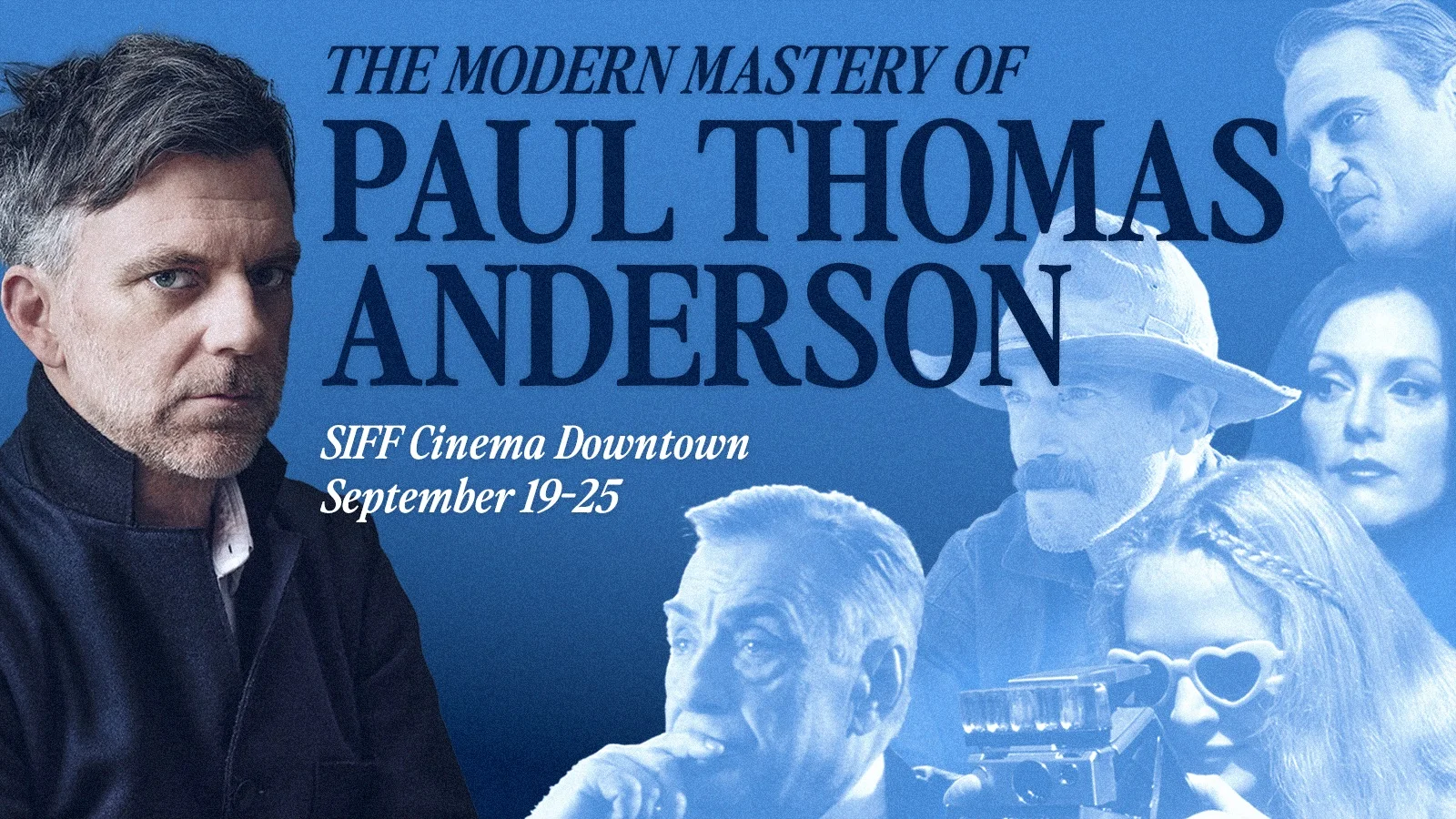
Mixed Messaging in the Film’s Marketing Campaign
Adding to the confusion, the trailers for One Battle After Another exhibit inconsistent tones. Some highlight comedic elements within the film, while others present it as an action thriller. This disparity might be Warner Brothers’ attempt to appeal to a wide audience, particularly as the movie reportedly has a production budget exceeding $140 million—the largest in PTA’s career. However, this broad approach has instead generated mixed reactions and a lack of clear identity around the film’s promotion.
Paul Thomas Anderson’s Style: Embracing Complexity and Ambiguity
Paul Thomas Anderson is known for blending genres and tones, making his films difficult to categorize. One Battle After Another, centered on ex-revolutionaries fleeing a lingering threat, appears no different—it is likely to combine action, drama, and absurdist humor. This complexity aligns with Anderson’s established style, which often challenges conventional expectations and resists straightforward interpretation.
Stephen Spielberg’s Perspective on the New Film
Adding to the film’s enigmatic reception, director Stephen Spielberg, who participated in a post-screening panel, shared his thoughts after watching the movie three times. He described One Battle After Another as bizarre yet relevant, praising its action and drawing comparisons to Stanley Kubrick’s Dr. Strangelove. Spielberg’s comments highlight the film’s mix of dark humor and social commentary in a way that resonates deeply with current realities.
I have not seen a movie that is so tonally a relative to Stanley Kubrick’s Dr. Strangelove,
Spielberg explained.
This brings a kind of absurdist comedy, taken very seriously, because it’s so much a reflection of what’s happening today, every day, throughout this country. But it takes it to a point where you want to laugh, because if you don’t laugh, you’re going to start screaming, ‘This is too real.’
—Stephen Spielberg, Director
Implications for Paul Thomas Anderson’s Film and Future Marketing
The unusual marketing tactics for One Battle After Another underscore the challenges of promoting a high-budget, genre-defying film in today’s entertainment landscape. By integrating video game tie-ins that seem discordant with the director’s vision, Warner Brothers may be sacrificing coherence for reach. Nonetheless, the movie’s distinctive style, supported by endorsements from prominent filmmakers like Spielberg, suggests it will stand out in cinema this year. How this eclectic marketing strategy affects its reception and box office success remains to be seen.
