
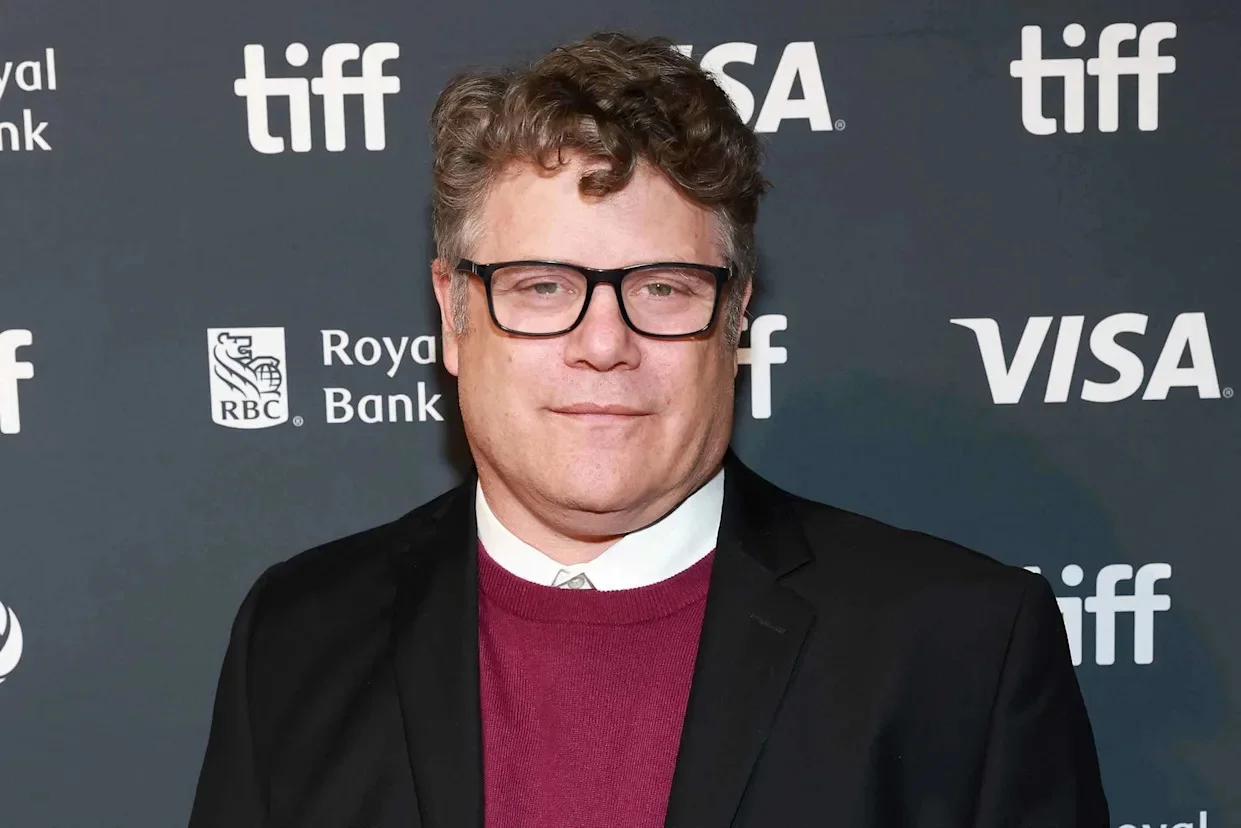
SAG-AFTRA announced on Friday that Sean Astin, a veteran member of the union’s board and negotiating committees, has been elected as its new president. The former Lord of the Rings actor will take over from Fran Drescher, who led the union through multiple strikes before choosing not to seek re-election.
Astin secured the presidency with 79% of the vote, defeating New England local board member Chuck Slavin. Alongside him, Michelle Hurd was elected secretary-treasurer, with both assuming their roles immediately. This leadership change arrived at a pivotal time as the union prepares for upcoming negotiations that will affect thousands of performers nationwide.
Leadership Transitions and Local Election Outcomes
Astin follows in the footsteps of his mother, Patty Duke, who was Screen Actors Guild president from 1985 to 1988. His extensive union experience includes participation in five negotiating committees, notably the 2023 TV/Theatrical contract talks, as well as serving on SAG-AFTRA’s national and Los Angeles local boards.
Local elections also concluded on Friday, with Joely Fisher winning the Los Angeles local president seat with 67% of votes, defeating Peter Antico and Brian Kruse. Lisa Ann Walter and David Jolliffe secured the first and second vice president positions in Los Angeles, respectively, while Dan Navarro retained his unopposed national board membership.
In New York, Ezra Knight was chosen as local president with 73% of the vote over Kevin Cannon. Other elected officers include Linda Powell as first vice president, Anthony Rapp second vice president, Jim Kerr third vice president, and Lizz Zazzi fourth vice president. Janice Pendarvis, running unopposed, secured a position on the national board representing New York.
Immediate Challenges Facing Astin’s New Presidency
Astin inherits a complex agenda, including the next round of TV/Theatrical contract negotiations scheduled for summer 2026. These talks will be conducted with the Alliance of Motion Picture and Television Producers (AMPTP), led by Gregory Hessinger, a former executive director of both SAG and AFTRA prior to their 2012 merger.
One critical focus involves the regulation of AI technology in the entertainment industry, especially protecting actor likenesses and performances from unauthorized AI replication. As technology rapidly evolves, SAG-AFTRA anticipates further discussions aimed at setting clear rules governing AI use.
Additionally, compensation for streaming projects remains a contentious issue. Although landmark agreements helped end the 2023 strikes by establishing residual models for high-performing streaming content, the union has been less transparent about the development of a proposed Robin Hood fund. This fund would withhold 25% of streaming residuals to redistribute among a broader segment of union members involved in streaming productions.
Healthcare Concerns and Membership Impact
Beyond contract negotiations, healthcare coverage continues to pose significant difficulties. Since the 2020 pandemic, numerous union members, especially retirees, have lost coverage due to changes in eligibility tied to residuals. These retirees had to shift to Medicare Advantage plans, which sparked a lawsuit that the SAG-AFTRA health plan ultimately settled for $15 million.
Furthermore, reductions in work opportunities—resulting from both recent strikes and the migration of production overseas—have left many actors unable to maintain the required working hours to qualify for union healthcare. This ongoing challenge threatens the security and wellbeing of guild members across the country.
Union’s Political Efforts Aim to Strengthen Industry Stability
In an effort to combat these issues, SAG-AFTRA has participated in lobbying initiatives through the Entertainment Union Coalition to expand the California Film and TV Tax Credit Program. This expansion has led to a fourfold increase in applications for TV production tax credits during its initial phase. However, measurable effects from this policy shift are not expected for at least another year.
Amidst these pressures, the incoming leadership must balance immediate member concerns with long-term strategies that support performers’ rights, fair wages, and healthcare access while navigating a rapidly shifting entertainment landscape. How Astin and his leadership team address these priorities will be closely watched by union members and industry stakeholders alike.
Statements Reflect Optimism and Cooperation Prospects
Commenting on his election, Astin expressed hope and determination, saying,
“Now is a time for optimism and creativity,”
and added,
“I am thrilled that the members have allowed me to lead our storied organization out of this challenging moment and into a future defined by confidence, progress and fierce advocacy.”
The AMPTP also congratulated Astin, stating,
“The AMPTP congratulates Sean Astin on his election as President of SAG-AFTRA,”
and added,
“We look forward to working with President Astin to address the issues most important to SAG-AFTRA performers while promoting stability and opportunity across our industry.”
