
Kevin Costner, the esteemed Academy Award-winning actor, known for his notable roles in Western films and the Paramount+ series Yellowstone, has recently shared his perspective on choosing projects based on inspiration and personal fulfillment. Emphasizing a clear commitment to pursuing work that holds meaning for him, Costner talked about his willingness to leave projects when they no longer engage him creatively.
Costner portrayed John Dutton throughout the initial seasons of Yellowstone but exited during the fifth season to concentrate on a new series of films titled Horizon. His character was consequently written off with an off-screen death. Now involved in a new documentary series, Costner explains how he prioritizes the types of projects he takes on at this stage of his career, reflecting his internal need to move on from those that no longer resonate.
Creative Freedom Shapes Costner’s Current and Future Work
In an exclusive conversation, Costner said,
“When something is no longer interesting to me, or there’s some other reason that I need to move on, I’m willing to do that.”
He conveyed that his choices are driven by what feels authentic and meaningful to him rather than following a particular genre or expected path. Costner remarked,
“I’m willing to do anything where I feel like what I’m doing is for myself.”
He clarified that his work does not have to be confined to Westerns, indicating a readiness to explore diverse storytelling forms.
Costner also reflected on the enduring power of stories across formats, saying that short stories, novels, and films can all live on by connecting deeply with audiences through relatable narratives.
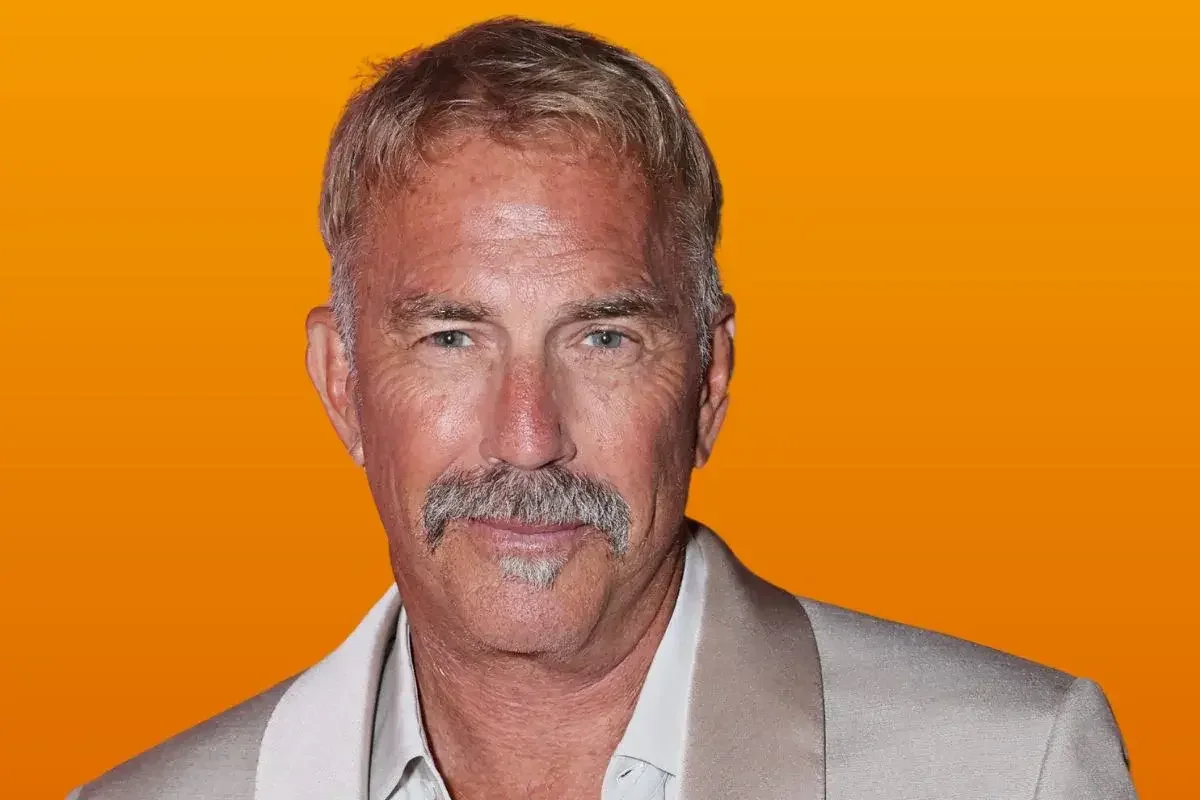
Further emphasizing his hopes for relevance, Costner stated,
“I think the hope for me is that I can stay relevant; not only to myself, but to people who find my work. I can’t create work that I think is going to find them. I can only create work that when they do find it, it reflects what I was feeling and my sensibility. And hopefully they’re moved by it.”
Continuation of the Yellowstone Franchise Amid Costner’s Departure
Since Costner’s departure, the original Yellowstone series has completed its run, with various spin-off projects underway at different stages of development to sustain the franchise’s legacy.
New Documentary Series Explores the Untold Story of the American West
Costner currently leads an eight-part documentary titled Kevin Costner‘s The West, which premiered on September 15 on Sky HISTORY and NOW. The series, executive produced by Costner and historian Doris Kearns Goodwin, offers a detailed look at the complex history of the American West.
The documentary investigates the fierce and often brutal contest for control of the land, tracing how these struggles have influenced the present-day United States.
Costner described the series as providing
“a fresh look at the epic history of the American West by delving into the desperate struggle for the land itself – and how it still shapes the America we know today.”
Reevaluating the Romanticized Western Mythology Through the Documentary
Discussing his involvement in portraying the Western genre, Costner explained that the documentary helped confirm the realities behind some of the stories his films have depicted—moving away from the idealized versions often shown on screen.
He noted,
“When we first started making Westerns, people fell in love with the imagery.”
The vast landscapes and striking visuals captured audiences, but the deeper origins and hardships behind the towns and settings were frequently overlooked.
Costner elaborated on this notion by saying that viewers had not fully appreciated the intense violence and cultural clashes that shaped the West. Instead, Western narratives often sanitized these realities into heroic tales, stating,
“People didn’t really want to see that; the slaughter, fear and cultures clashing. People flinched when they saw that, but the romantic idea is one of heroism, which is a little more acceptable.”
Authenticity in Costner’s Western Roles and the Documentary’s Historical Evidence
Costner emphasized that many of the events and interactions in his films, such as Dances with Wolves, Open Range, and Horizon, were grounded in historical truth, even if dramatized. Reflecting on the stories portrayed, he said,
“Everything that happened in Dances with Wolves or Open Range or Horizon actually happened out there. I didn’t make those stories up. There were interactions and they all have truth to them. They’re made up ideas, but those interactions happened a million times.”
The documentary aims to validate these depictions by revealing overlooked aspects of history, including the presence of slaves and captives in the West and the repeated betrayals of Native Americans across the continent.
Costner added,
“The documentary serves to back up those kind of stories. There were slaves and there were captives in the West. We did mislead Native Americans for our own good – and we kept doing it, from one shore to the other shore. The Western movies that I did, in my mind, are true. They are honest. They are real. In some way, this documentary backs it all up.”
Significance of Costner’s Approach to Career and Storytelling
Kevin Costner’s approach to moving on from projects reflects a thoughtful and serious mindset focused on authenticity and personal connection, both in his creative work and public engagement. By choosing projects based on genuine inspiration, he maintains artistic integrity and strives to create work that resonates with himself and others.
Through the new documentary series, Costner continues to contribute to a more nuanced understanding of American Western history, challenging long-held myths while reinforcing the truths underlying his earlier Western films. His evolving career choices and dedication to storytelling suggest a lasting impact on how Western narratives and historical storytelling will be shaped moving forward.
