
Robert Redford, the iconic actor and Sundance Film Festival founder, passed away at age 89, leaving behind a remarkable legacy that includes some of the most memorable roles in modern cinema. His career, spanning decades, showcased his versatility and charisma across genres, and his Robert Redford greatest performances continue to influence actors and filmmakers worldwide.
Redford’s ability to portray a wide range of characters with depth and charm made him one of Hollywood’s most beloved leading men, with standout roles from political dramas to thrillers and romantic comedies. Below are ten performances demonstrating why his work remains an essential part of film history.
The Political Satire: Bill McKay in The Candidate (1972)
In 1972, Redford starred as Bill McKay in The Candidate, a sharp political satire that examined the complexities and absurdities of American election campaigns. Drawing authenticity from Jeremy Larner’s Oscar-winning screenplay—rooted in Larner’s experience as a speechwriter for Senator Eugene J. McCarthy—the film debunked the illusion that political beliefs outweigh personality during campaigns.
Redford’s portrayal of McKay, with his charismatic presence and resemblance to real-life presidential hopefuls like John F. Kennedy, highlighted the rise of personality-driven politics. This role remains especially resonant today, reflecting ongoing discussions about the importance of image over substance in political arenas.
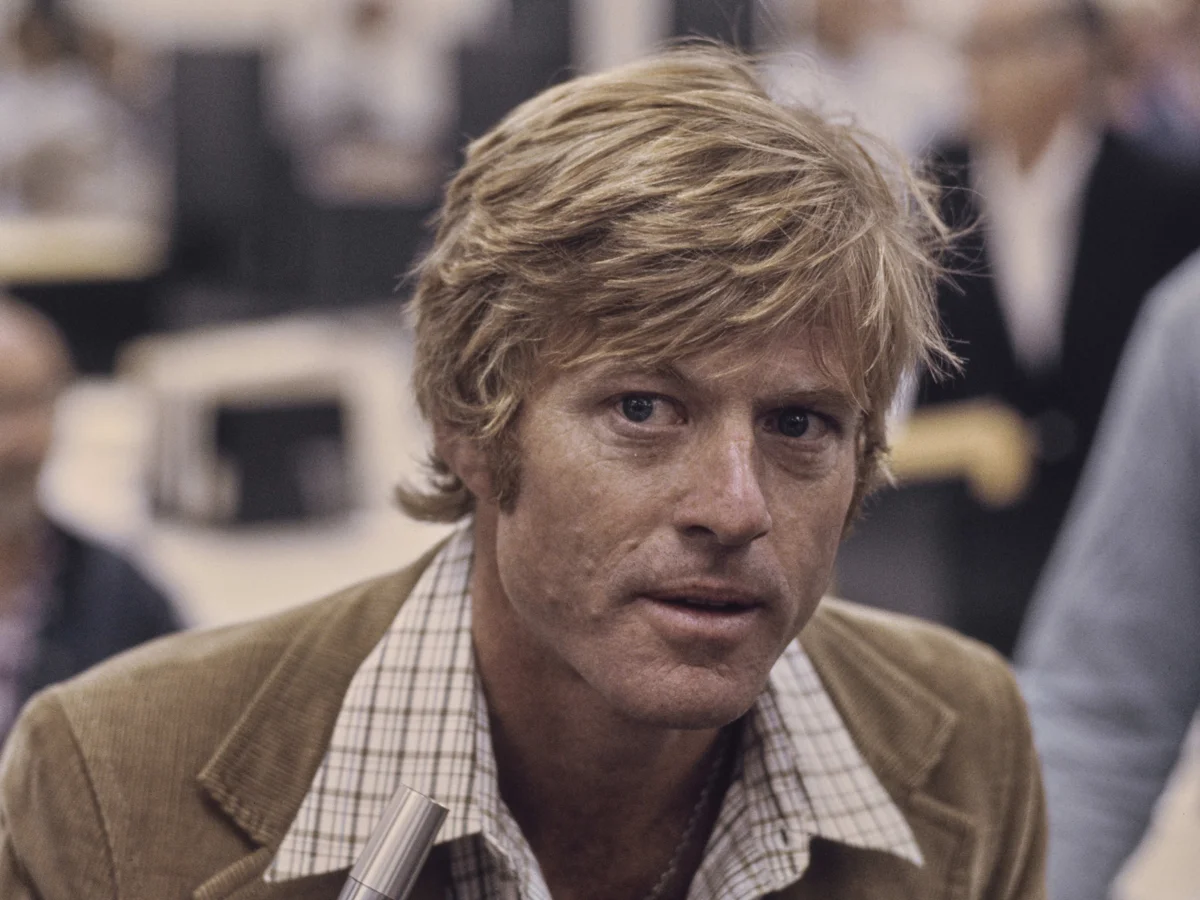
Romantic Comedy Breakthrough: Paul Bratter in Barefoot in the Park (1967)
Redford’s emergence as a leading man was cemented by his role as Paul Bratter in Barefoot in the Park, a lively romantic comedy co-starring Jane Fonda. The film follows a newlywed couple navigating their rocky relationship while living in a cramped New York City apartment, encountering colorful neighbors along the way.
This film demonstrated Redford’s skill beyond dramatic roles, proving he could excel in comedy while maintaining his signature charm. His chemistry with Fonda added warmth and authenticity to the story, marking Barefoot in the Park as a crucial stepping stone that launched his illustrious career.
Sports Drama Icon: Roy Hobbs in The Natural (1984)
In the 1984 sports drama The Natural, Redford portrayed Roy Hobbs, a gifted baseball player whose talent borders on the mythical. Adapted from Bernard Malamud’s 1952 novel, the film chronicles Hobbs’ tumultuous career marked by hope, failure, and redemption.
Redford infused the character with all-American charm and a mature gravitas that captured the emotional depth of an aging athlete making an unexpected comeback. His performance was the emotional core of the film, complemented by strong supporting roles from Robert Duvall and Glenn Close. This role stands as one of Redford’s most inspirational and enduring characters.
Marvel Villainy: Alexander Pierce in Captain America: The Winter Soldier (2014)
Though his on-screen appearances slowed in later years, Redford reached a new audience with his role as Alexander Pierce in Captain America: The Winter Soldier. As the head of S.H.I.E.L.D. and secret Hydra operative, Redford’s character brought a surprising depth to the Marvel Cinematic Universe’s narrative.
His portrayal of Pierce—a blend of authoritative leadership and hidden villainy—offered a fresh contrast to his traditionally heroic roles. This casting bridged the classic Hollywood era with modern blockbuster filmmaking, introducing Redford’s star power to younger viewers worldwide.
Solo Survival Mastery: The Man in All Is Lost (2013)
In a near-wordless performance during his late seventies, Redford starred in All Is Lost, a gripping survival drama where he played a solitary man stranded at sea. With only 51 spoken words throughout the film, the role demanded a physically intense and emotionally raw portrayal of endurance and determination.
This film highlighted Redford’s ability to carry a story through subtle expression and sheer presence, earning critical acclaim for its minimalist storytelling approach. All Is Lost stands out as one of the most powerful late-career performances, deserving of awards recognition.
Thrilling Conspiracy: Joseph Turner in Three Days of the Condor (1975)
In the tense post-Watergate thriller Three Days of the Condor, Redford played Joseph Turner, a CIA analyst whose mundane life is disrupted when his colleagues are murdered. Forced to rely on wit and resourcefulness, Turner becomes an everyman caught in a deadly conspiracy.
This Sydney Pollack-directed film capitalized on the era’s climate of paranoia and mistrust, with Redford balancing vulnerability and quick thinking. His performance made Turner an iconic figure in espionage cinema and remains a quintessential example of Cold War-era storytelling.
The Mountain Man’s Journey: Jeremiah Johnson in Jeremiah Johnson (1972)
In a dramatic departure from his usual clean-cut image, Redford transformed into the rugged mountain man Jeremiah Johnson for this gritty Western. Set in the Rocky Mountains, the film follows Johnson’s solitary life as a trapper facing the harsh realities of frontier existence.
More than just a source of a popular internet meme, this role demonstrated Redford’s range and dedication to authentic storytelling. His portrayal captured the rugged loneliness and resilience of an American West icon, solidifying this film as a landmark in his career.
Master of the Con: Johnny Hooker in The Sting (1973)
The 1973 classic The Sting showcased Redford’s charm as Johnny Hooker, a clever con artist plotting an elaborate scam. Alongside Paul Newman, Redford’s performance highlighted wit and tension amidst a story filled with deception and humor, set to the timeless ragtime compositions of Scott Joplin.
The film’s success, including seven Academy Awards such as Best Picture, underscored the potency of Redford’s combination of charisma and skillful acting. His chemistry with Newman enhanced the film’s appeal, making it one of the standout caper films in cinematic history.
Uncovering Truth: Bob Woodward in All the President’s Men (1976)
All the President’s Men told the true story behind the Watergate scandal, with Redford starring as journalist Bob Woodward. Alongside Dustin Hoffman’s Carl Bernstein, Redford embodied the dogged determination necessary to expose political corruption and bring down President Nixon.
The film remains a landmark in portraying investigative journalism, emphasizing the importance of perseverance and truth-seeking. Its relevance endures as a reminder of media’s crucial role in holding power to account in any era.
Western Legend: The Sundance Kid in Butch Cassidy and the Sundance Kid (1969)
Redford’s iconic portrayal of the Sundance Kid in Butch Cassidy and the Sundance Kid helped usher in the New Hollywood era, blending innovative filmmaking with fresh storytelling techniques. This Western co-starred Paul Newman and featured groundbreaking elements like freeze-frames and contemporary music, setting new standards for cinema.
Redford’s naturalistic acting style in this role influenced generations of filmmakers and actors, marking a pivotal moment in his career and in American film history. The movie remains a defining example of his star power and artistic impact.
Together, these performances reflect Robert Redford’s extraordinary impact on film, showcasing his remarkable talent and enduring appeal. His work continues to inspire actors and audiences, ensuring his legacy will remain vibrant in Hollywood and beyond for years to come.
