
On September 16, Robert Redford, the acclaimed actor, filmmaker, and activist, passed away peacefully at the age of 89. Known for his memorable roles in films like Butch Cassidy and the Sundance Kid, The Sting, and All the President’s Men, Redford left behind a legacy that transformed both cinema and culture. Among his early work was a significant appearance in the iconic television series The Twilight Zone, which showcased a rare and thought-provoking portrayal of death.
Early Career and Television Beginnings
Before becoming a Hollywood icon, Robert Redford started his career with small acting roles during the 1950s and 1960s. He appeared in numerous classic television series, including Maverick, Playhouse 90, Perry Mason, Route 66, and Alfred Hitchcock Presents. These early parts laid the foundation for his rise to stardom, but one performance in particular stands out for its emotional depth and lasting impact—his role as Officer Harold Beldon in a 1962 episode of The Twilight Zone titled Nothing in the Dark.
A Unique Portrayal of Death in “Nothing in the Dark”
In this episode, the story centers on Wanda Dunn, portrayed by Gladys Cooper, an elderly recluse who has lived isolated for years out of fear of death. Having once seen Death claim a soul, Wanda barricades herself from the outside world. When Officer Harold Beldon, played by Redford, is wounded near her home, she reluctantly brings him inside. As Wanda shares her fears and years of seclusion, the officer reveals that he is actually the personification of Death, approaching with kindness and care rather than terror.
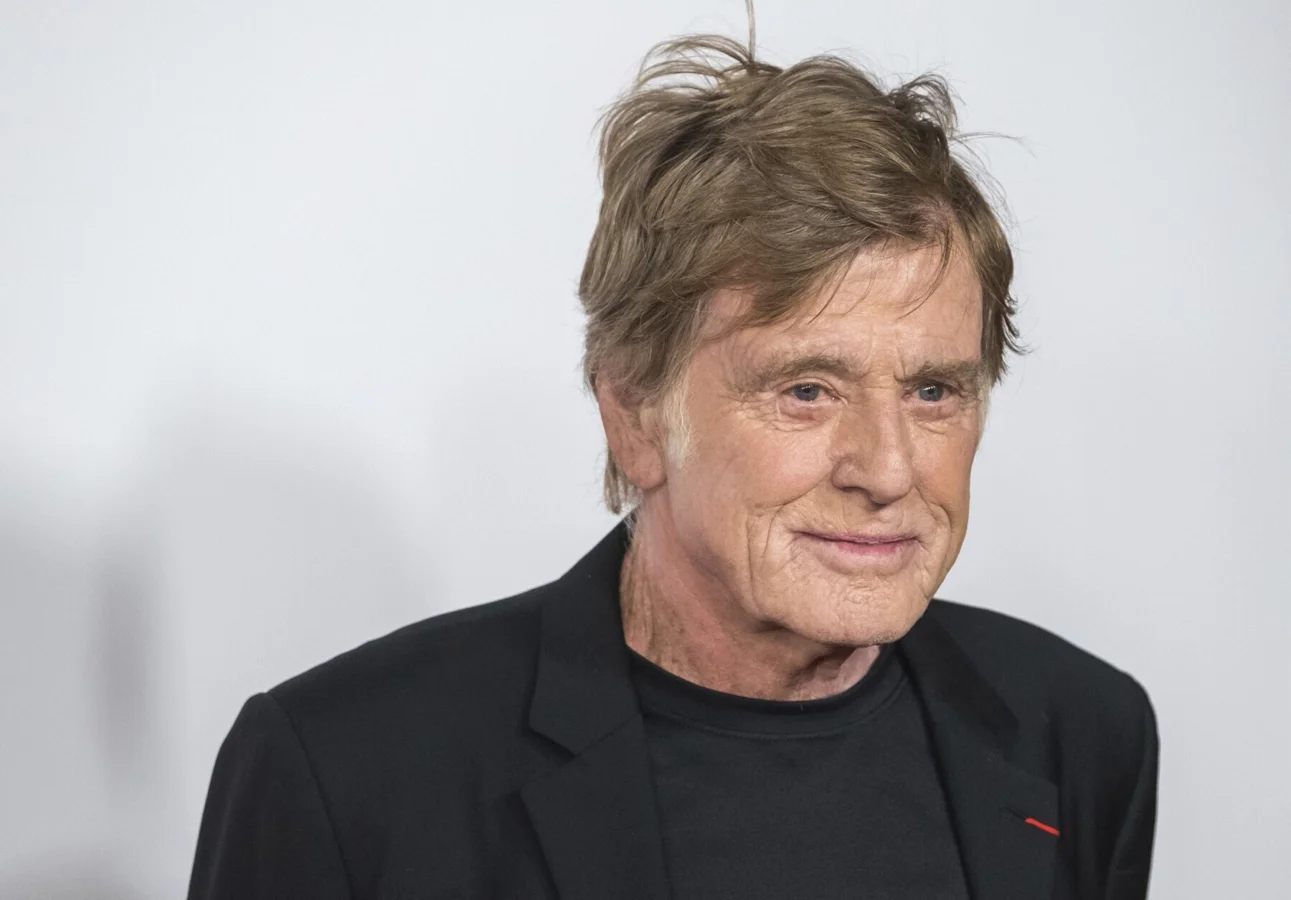
The narrative, airing over six decades ago, explored death not as something frightening but as a gentle guide, a guardian angel who helps Wanda find peace and acceptance. This powerful and compassionate depiction endeared the episode to audiences and remains one of the most memorable in the series.
Robert Redford Reflects on His Role
At the 2014 Santa Barbara International Film Festival, Redford spoke about his experience with the episode and its unexpected legacy.
“I had no idea that it was going to have that kind of impact. It was a wonderful script. And I had the pleasure of playing opposite Gladys Cooper, who was a wonderful English actress.”
— Robert Redford, Actor
“Twilight Zone was very popular at that time, and I think Rod Serling was one of the great giants of early television. And he had written it. And I just loved the idea of playing that character because he had to be the absolute opposite of what you would think of Mr. Death,”
Redford continued.
“He had to be kind, compassionate, and there was a wonderful dynamic between she and I because she was so frightened that if she ever opened the door, Death would come in.”
— Robert Redford, Actor
“It was just a wonderful script, but I had no idea that it was going to have the ongoing impact that it did until I got a note from the company that produces that show. [They made a] little certificate saying that show is the most often viewed Twilight Zone episode there was,”
Redford concluded.
That was nice.
— Robert Redford, Actor
The Episode’s Enduring Impact and Cultural Significance
This heartfelt portrayal continues to resonate decades later, highlighting a shift in the portrayal of death on television. Instead of a threatening force, Redford’s empathetic embodiment of the Grim Reaper challenged viewers to reconsider their fears. The episode’s popularity endures, arguably becoming the most viewed installment of The Twilight Zone and cementing Robert Redford’s mark not only in film but also in the cultural imagination of mortality.
As tributes pour in from fellow artists such as Jane Fonda, Meryl Streep, and Ron Howard, the significance of Redford’s career and early television roles—like Officer Harold Beldon in The Twilight Zone—reminds audiences of his profound ability to connect through storytelling. His passing marks the end of an era, but moments like this continue to inspire reflection on life, death, and the human experience.
