
Robert Redford, celebrated actor, Oscar-winning director, and dedicated environmental advocate, passed away on Tuesday morning at his residence near Provo, Utah, at the age of 89. His death marks the conclusion of a remarkable career that left an indelible mark on American cinema and independent filmmaking.
A Journey from Television to Cinematic Greatness
Born in Santa Monica in August 1936, Redford began his career acting on television and performing on stage in New York before rising to fame in the late 1960s. He became a major movie star through a series of iconic films such as Barefoot in the Park, Butch Cassidy and the Sundance Kid, Jeremiah Johnson, The Sting, The Way We Were, The Great Gatsby, Three Days of the Condor, All the President’s Men, The Natural, and Out of Africa. These roles solidified his status as one of the most influential performers of his generation.
Beyond acting, Redford also built a successful directing career, helming critically acclaimed films including Ordinary People in 1980 and The Horse Whisperer in 1998. His creation of the Sundance Institute further demonstrated his commitment to nurturing independent filmmakers and supporting creative voices outside mainstream Hollywood.
Defining a Unique Star Power
In June 1974, writer Liz Smith captured Robert Redford’s distinctive charisma ahead of the release of The Great Waldo Pepper, his third collaboration with director George Roy Hill. Smith explored Redford’s allure through his appearance, personality, private life, and connection with fans at the height of his influence. She described a paradoxical figure who combines American heroism with an unexpected personal integrity and loyalty to his wife of fifteen years.
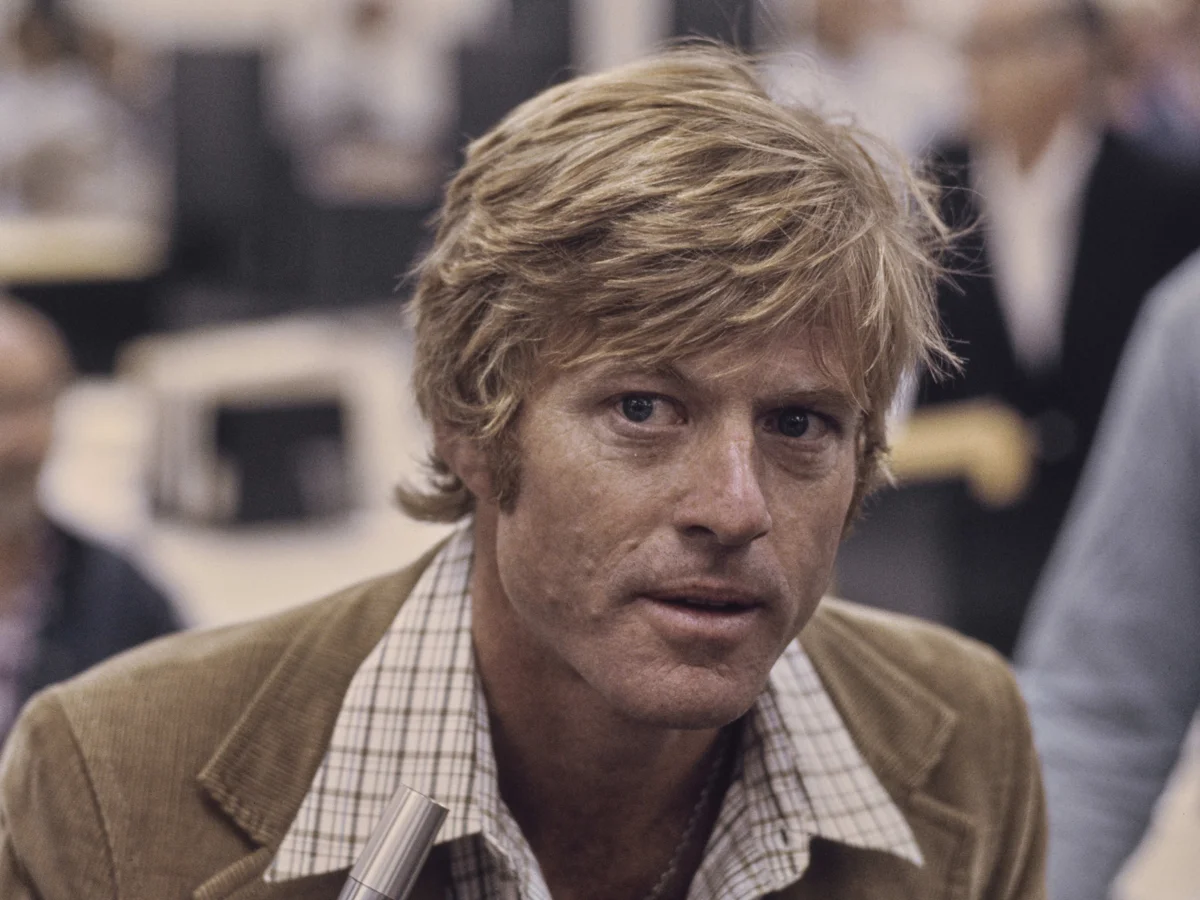
Smith’s portrayal emphasized that Redford was much more than his private self; he represented a movie-star fantasy that captivated audiences. Described as
“the Butter Crunch ice cream sundae that starved-for-stars fans have been waiting for since Paul Newman peaked,”
Redford’s image was cherished as an authentic embodiment of charm and strength, balanced by sincerity.
Redford’s Role as an Iconic Figure in American Culture
Redford represented neither the tragic figure sought by F. Scott Fitzgerald nor the dull hero Ralph Waldo Emerson predicted. Instead, he embodied a resilient, thoughtful man of action who remained relatable through his nuanced performances and distinct blue eyes. Unlike earlier eras dominated by dramatic female fan behavior, Redford inspired a quieter, more profound admiration rooted in genuine respect rather than superficial adoration.
This genuine hero worship manifested in several ways, including fervent public interest, persistent media questioning about his true character, and consistent box office success wherever his name appeared. His status as a movie star and hero was exceptional in a time when both were increasingly rare, providing audiences with a dependable symbol of star quality and integrity.
Enduring Influence and Future Prospects
Robert Redford’s legacy extends beyond his filmography, influencing generations of actors, filmmakers, and audiences alike. His advocacy for environmental causes and independent films has shaped the industry’s landscape, ensuring future storytellers find their voices. As the film community reflects on his extraordinary career, the impact of his work will continue through the Sundance Institute and the countless artists he inspired.
With the loss of a figure so deeply woven into Hollywood’s fabric, his legacy stands as a testament to the power of dedication, artistry, and the enduring appeal of an American icon.
