
The 30th Busan International Film Festival began with a lively red carpet event lasting nearly two hours, blending the presence of K-pop icons, renowned Asian directors, and Hollywood veterans. This year’s opening film was Park Chan-wook’s black comedy No Other Choice, setting a tone of intrigue and artistic excellence for the festival. The occasion showcased the festival’s international influence, with celebrated figures like Guillermo del Toro and Blackpink’s Lisa drawing significant attention.
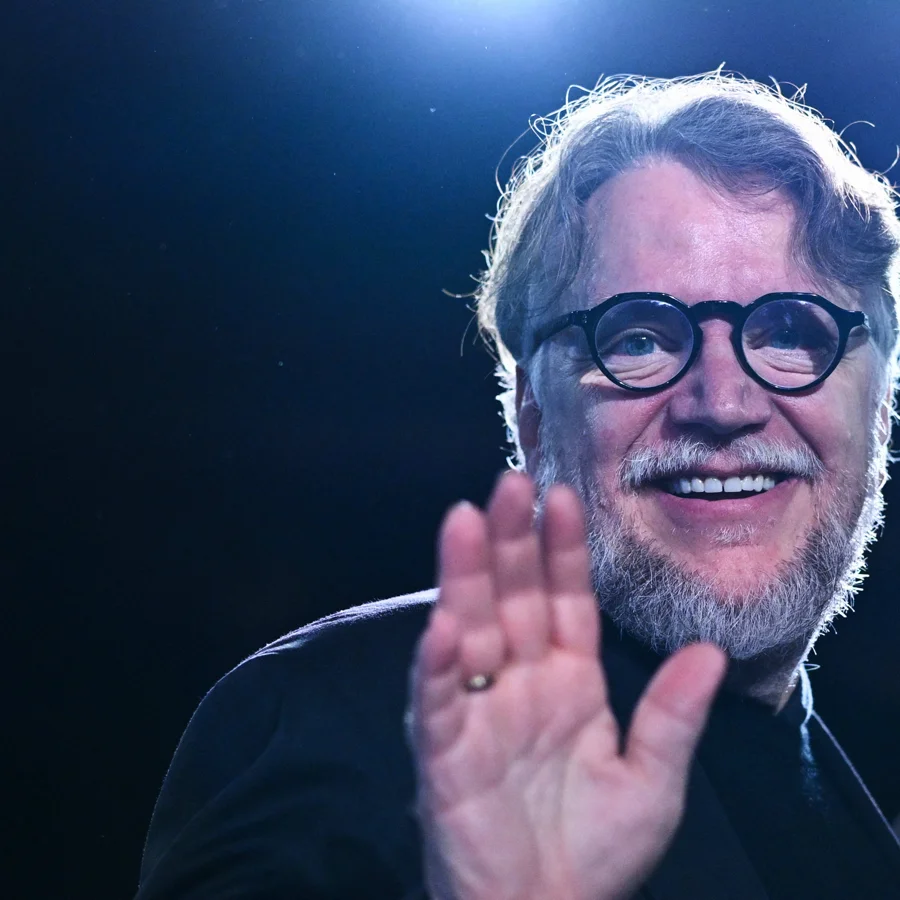
Lisa sparked excitement among assembled fans, supported by KPop Demon Hunters director Maggie Kang, while Guillermo del Toro amused photographers with playful gestures. Korean superstar Lee Byung-hun, who co-hosted the opening ceremony, later rejoined the stage to introduce Park Chan-wook’s film, accompanied by cast members Son Ye-jin, Park Hee-soon, Yum Hye-ran, and Lee Sung-min.
A Diverse Lineup Highlights Busan’s Global Outreach
The festival’s guest list emphasized Busan’s stature as a worldwide cinematic hub, featuring a variety of artists from Asia and beyond. Indonesian actress Dian Sastrowardoyo, Malaysian filmmaker Woo Ming Jin, Indian producer Shiladitya Bora, and members of India’s Full Plate team, including Tannishtha Chatterjee and Kirti Kulhari, were in attendance. Hong Kong cinema was represented by Tony Leung Ka-fai, alongside producer Victoria Hon and director Larry Yang, who presented their film The Shadow’s Edge.
Japanese cinema’s presence included Nishijima Hidetoshi and Gwei Lun-mei for Mariko Tatsuya’s Dear Stranger, with further appearances by Watanabe Ken, Takaguchi Kentaro, Okada Junichi, and Miyake Sho. Korean stars Kim Minha, Jeon Jong-seo, Han So-hee, Lee Jin-wook, Yoo Ji-tae, Lee Hye-young, Jo Woo-jin, and Park Ji-hwan also contributed to the local representation. Hollywood acclaim was added by director Michael Mann. Iranian filmmaker Jafar Panahi, honored as Asian Filmmaker of the Year, gained a warm reception from the audience.
Honoring Industry Veterans and Emerging Voices
The festival ceremony acknowledged the achievements of cinematic figures whose careers have spanned decades and political challenges. Sylvia Chang received the Camellia Award in recognition of her balancing of an extensive filmmaking career with motherhood. Chung Ji-young, a veteran director whose work weathered censorship, dictatorship, and industry changes over 50 years, was presented with the Korean Cinema Award.
One of the most poignant moments of the evening was Jafar Panahi’s acceptance of the Asian Filmmaker of the Year award. He expressed deep gratitude and reflected on the festival’s significance in his career journey:
“I am grateful to the Busan Film Festival for this honor,”
Jafar Panahi said.
“When I first came to Busan with my debut film, I promised myself I would return. But for 17 years I was unable to leave my country. Korea has constantly strived and fought for freedom in cinema, and this award is dedicated to all independent filmmakers on the front lines of that struggle. We must go all the way to the end for freedom of expression.”
Festival Leadership and Jury Highlight Busan’s Aspirations
Festival authorities, including Korean Film Council chair Han Sang-jun, Busan mayor Park Heong-joon, and the newly appointed BIFF executive director Jung Won-seok, underscored the historic importance of the festival’s 30th anniversary. The ceremony featured a personal tribute in song to Lee Byung-hun, adding emotional depth to the opening.
The introduction of the main competition jury highlighted Busan’s ambition to elevate its global profile. The jury president, Korean director Na Hong-jin, was joined by Hong Kong actor Tony Leung Ka-fai, Indian filmmaker Nandita Das, Iranian director Marzieh Meshkini, filmmaker Kogonada, Indonesian producer Yulia Evina Bhara, and Korean actress Han Hyo-joo. Their diverse backgrounds represent the festival’s commitment to inclusivity and international collaboration.
Looking Ahead: Busan’s Role in Asian and Global Cinema
As the festival continues, it promises to deepen its influence by promoting dialogue between Eastern and Western film cultures and supporting filmmakers who challenge social and political boundaries. Guillermo del Toro’s participation alongside rising K-pop talent Lisa symbolizes Busan’s unique space at the crossroads of popular and auteur cinema. The event’s mixture of established legends and emerging voices signals a hopeful future for creative freedom and cultural exchange in the region.
