
Paul Thomas Anderson, renowned for his ambitious filmmaking over three decades, has unveiled his latest work, One Battle After Another, marking a new pinnacle in his career. Released on September 26, this Paul Thomas Anderson masterpiece blends action, humor, and emotional depth in a film that vividly captures the conflicts and hopes of today’s era.
A Riveting Tale of Revolution and Survival
One Battle After Another opens with the radical group French 75 orchestrating a daring rescue of immigrants detained at the US-Mexico border. At the center is Perfidia Beverly Hills, portrayed by Teyana Taylor, a fierce revolutionary deeply involved with Bob Ferguson, played by Leonardo DiCaprio, who handles the explosives for the group. During their mission, Perfidia encounters Col. Steven J. Locksaw (Sean Penn), a man whose dark obsession with her grows as the story unfolds.
As French 75 escalates their efforts, tensions spike—with members being captured or killed—and Bob finds himself fleeing alone with their newborn daughter, Willa. Sixteen years later, Bob and Willa reside quietly in California, but their past relentlessly catches up with them as Lockjaw intensifies his pursuit. Alongside them, Deandra (Regina Hall), a former comrade from French 75, fights to keep the remaining revolutionaries alive and free from Lockjaw’s grasp.
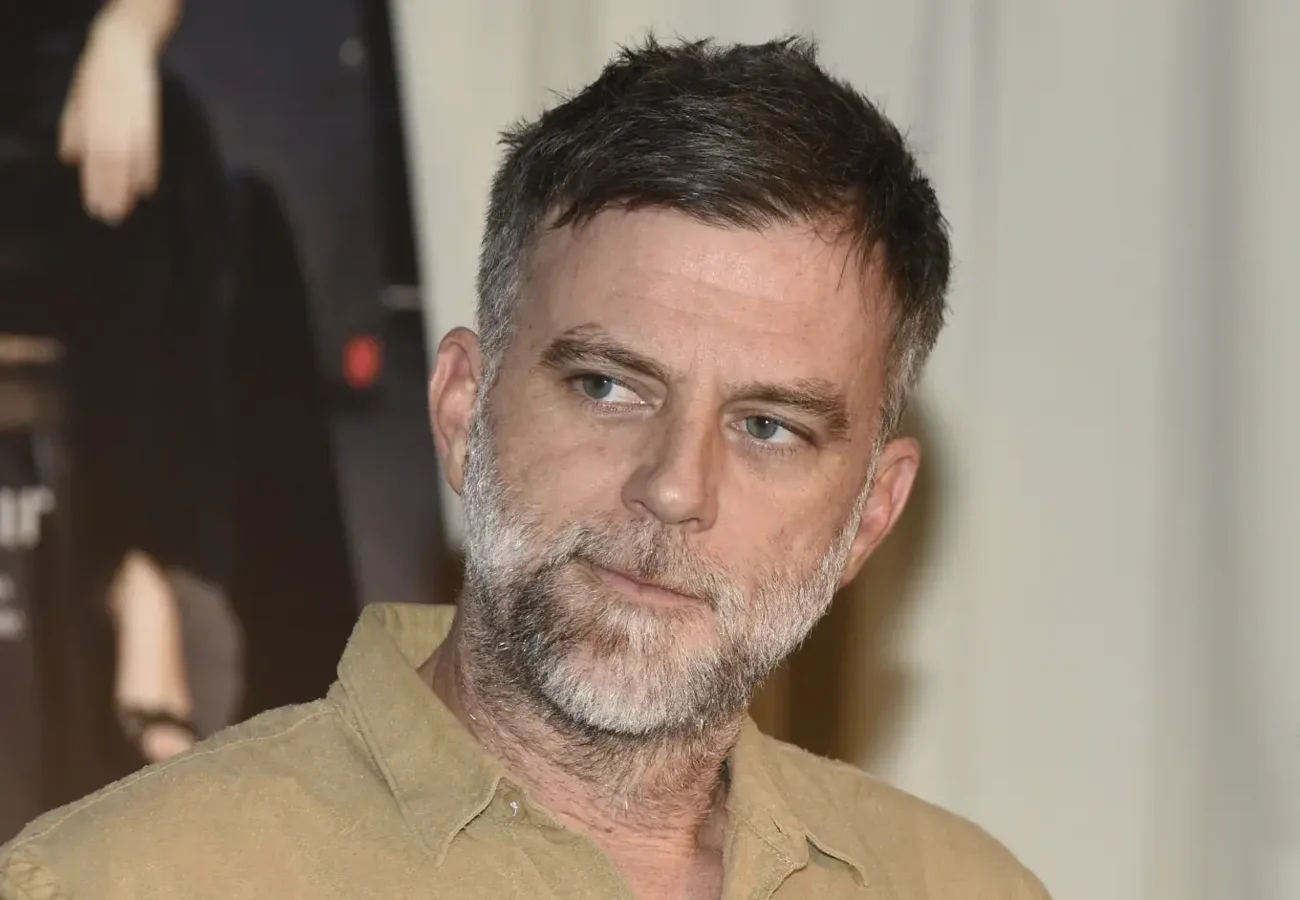
Within its nearly three-hour runtime, Anderson masterfully combines a thrilling action narrative with incisive commentary on power, manipulation, and personal sacrifice. The film is simultaneously an emotionally intricate portrayal of a father-daughter bond and an exploration of political unrest, presented with sharp humor and stunning visuals.
Paul Thomas Anderson’s New Venture into Action Cinema
The most surprising aspect of One Battle After Another is how boldly Anderson ventures into action territory for the first time, while fully imprinting the film with his signature style. In a memorable sequence, Bob enlists Sergio St. Carlos (Benicio del Toro), Willa’s mentor, to orchestrate an escape as they simultaneously conceal immigrants amid an escalating street conflict led by Lockjaw’s military forces.
Editor Andy Jurgensen skillfully weaves together the different perspectives—Bob’s comedic missteps, Lockjaw’s ruthless power plays, and Sergio’s protective maneuvers—creating a tense and entertaining montage that encapsulates the film’s multifaceted tone. Another highlight is a uniquely tense car chase towards the end that defies conventional spectacle by focusing on understated but gripping tension, demonstrating Anderson’s ability to make even empty roads pulse with suspense.
The film’s visual style, crafted by cinematographer Michael Bauman, alternates between warm, intimate tones for Bob’s perspective and cold, formal hues reflecting Lockjaw’s calculated menace—giving the movie a neo-Western atmosphere that complements its themes of survival and justice. Meanwhile, Jonny Greenwood’s score relentlessly builds tension with haunting strings that underscore nearly every scene without overwhelming it, enhancing the film’s emotional weight and urgency.
An Exceptional Ensemble Elevates the Story
One Battle After Another boasts what could be Anderson’s finest cast to date, with performances that bring depth and nuance worthy of Oscar attention. Leonardo DiCaprio’s portrayal of Bob Ferguson grounds the film’s heart and humor, embodying a flawed but devoted father struggling through years of self-destructive habits as he navigates a dangerous world. His character’s resemblance to Larry “Doc” Sportello from Inherent Vice adds a layer of chaotic vulnerability that DiCaprio handles with striking authenticity.
Sean Penn’s Lockjaw is a chilling portrait of a militant authority figure riddled with insecurities, whose public confidence masks a fragile core. His performance, laced with mannerisms reminiscent of RFK Jr., explores the dark intersection of power, fear, and hypocrisy with terrifying precision. Penn’s portrayal makes Lockjaw both a symbol of systemic terror and a deeply human antagonist.
Teyana Taylor’s Perfidia is a commanding presence who exudes revolutionary fire and cunning, a role that builds on her acclaim from A Thousand and One. She captures the unpredictability and strength of a leader who navigates shifting loyalties and dangerous alliances. Benicio del Toro provides a steadying force as Sergio St. Carlos, serving as Bob’s calm counterpart amidst chaos, while Regina Hall’s Deandra offers emotional depth, embodying resilience and empathy for Willa’s plight.
Chase Infiniti makes an impressive feature film debut as Willa, delivering a performance that anchors the story’s emotional core. Portraying a strong-willed daughter shaped by her revolutionary heritage, Infiniti conveys vulnerability and fierce determination, becoming a vital connection to the film’s themes of family, legacy, and hope for future generations.
Why This Film Resonates Today
Paul Thomas Anderson achieves a rare feat by blending a large-scale studio action film with the distinct tone and thematic complexity that define his work. One Battle After Another speaks directly to contemporary struggles, crafting a narrative that is as humorous and heart-wrenching as it is politically charged. Its exploration of power dynamics, parenthood, and resistance captures the mood of modern society with earnestness and passion.
The film’s release positions it as a standout in 2025’s cinematic landscape, destined to influence and reflect the cultural conversations of this generation. Anderson’s deft direction, combined with his collaborators’ contributions—from Bauman’s cinematography to Greenwood’s evocative score—results in a film that feels both timely and timeless.
As audiences experience the layered storytelling and compelling performances, One Battle After Another establishes itself as a defining work by Paul Thomas Anderson, reaffirming his place among the greatest contemporary filmmakers and offering viewers a deeply resonant, hopeful cinematic experience.
