
Robert Redford Palouse Conservation efforts are remembered not only for his celebrated film career but also for his dedicated work in environmental preservation, particularly in the Palouse region. In the late 1970s, Redford envisioned creating a program to train specialists equipped to tackle the complex natural resource challenges of the American West, where industries like timber, mining, and agriculture often conflicted with conservation interests and local communities.
The actor, director, and activist selected Washington State University and the University of Idaho as the ideal sites for this initiative, after carefully reviewing over 50 other institutions. His aim was to form a cooperative institute that would produce professionals capable of fostering better relationships between development projects and environmental preservation in the region.
Foundation of the Institute for Resource Management and Its Objectives
Redford’s concern over escalating conflicts arising from competing land uses led to the founding of the Institute for Resource Management at WSU and UI. The institute sought to train graduates who could change confrontational debates about land use and resource management into cooperative dialogue. Redford noted that disputes over development permits often escalated into lengthy court battles due to insufficient attention to local environmental concerns, which increased costs and frustrated all parties involved.
He explained that such conflicts create frustration on both sides, with developers and local residents blaming each other, resulting in a stalemate where progress stalls and the purpose of preservation takes on a negative connotation. Redford believed that thoughtful advance planning before development began could prevent many of these issues.
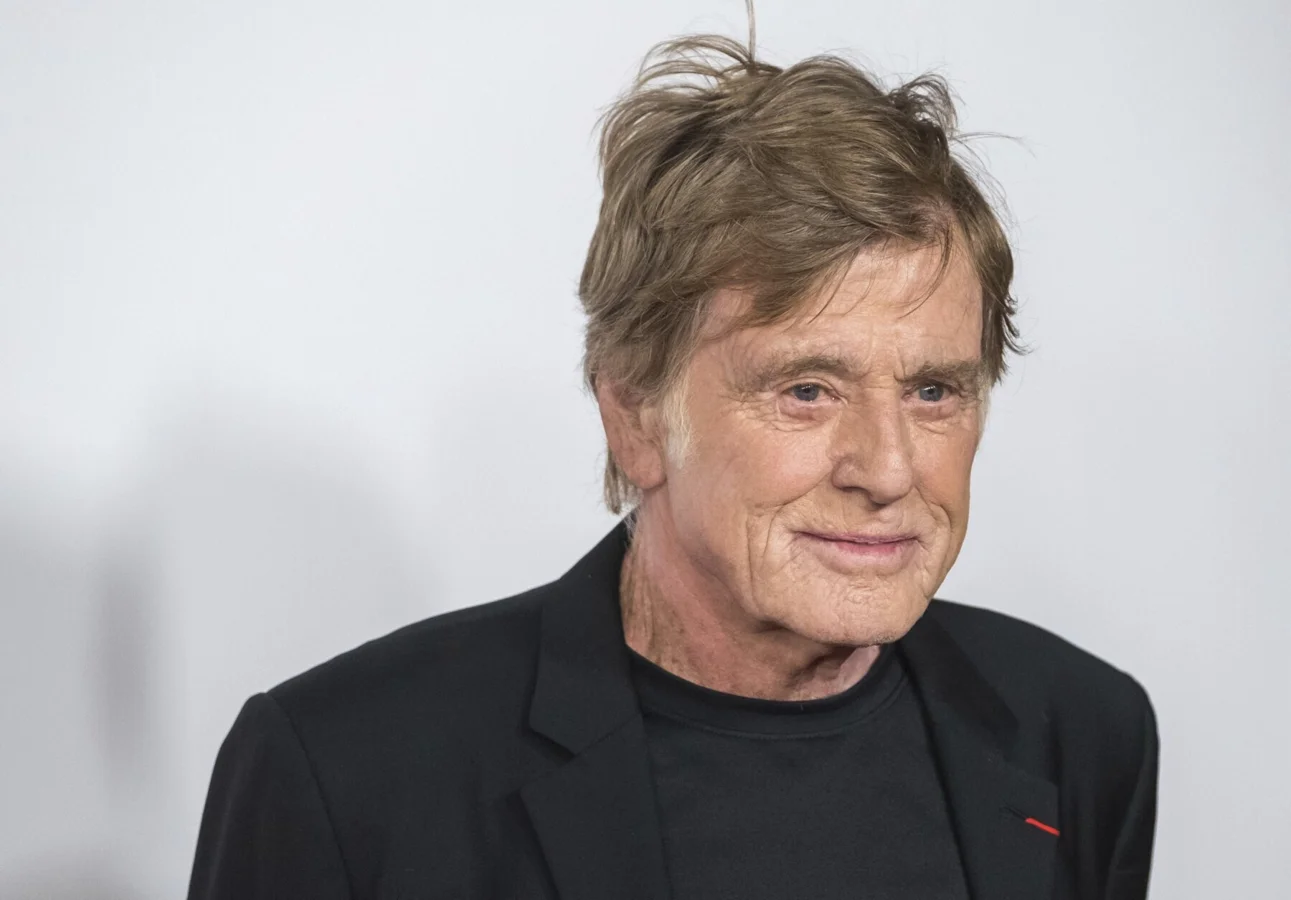
The choice of the Palouse region for the institute was strategic because of the strength of natural resource and agricultural programs at the two universities, their cooperative relationship, and proximity to diverse natural resources facing competing demands.
Local Responses and Early Challenges to the Program
Ed Krumpe, a retired natural resources professor from the University of Idaho, recalled the excitement that greeted Redford’s involvement. He noted that Redford was deeply informed and sincerely interested in the region’s educational programs, which influenced the final decision to establish the institute there.
Initially, Redford had hoped federal funding would support the project, but after an $80,000 Department of the Interior study, he pivoted to raising private funds, personally committing $400,000 toward launching the program and seeking to establish a $5 million endowment. Despite these efforts, the full endowment never materialized, contributing to the program’s closure within a few years.
Krumpe recognized the institute’s progress in enrolling and graduating students but acknowledged that funding shortfalls hindered its longevity.
Redford’s Continued Engagement and Regional Impact
Throughout the early 1980s, Robert Redford remained actively engaged with the institute and the Inland Northwest. In 1982, only months after the institute’s first cohort began, Redford joined graduate fellows, university researchers, and renowned anthropologist Richard Leakey on field visits to key sites such as Palouse Falls, Lyons Ferry State Park, and the Marmac Rockshelter. The latter site was notable for the discovery of the nearly 12,000-year-old “Marmes Man,” once the oldest human remains known in North America before the area was flooded by the Lower Monumental Dam’s construction.
Krumpe remembered sitting beside Redford on one of these trips, describing him as a personable and curious individual with a firm handshake and genuine interest.
“He was very intent and interested in what was going on, and we were pleased he would look this far north,” Ed Krumpe, retired UI natural resources professor
“He seemed to know a lot about the programs, and so we thought that spoke well of his investigation, staff, of where to get established,” Ed Krumpe, retired UI natural resources professor
“I was sad to hear that he passed,” Ed Krumpe, retired UI natural resources professor
“He’s done a lot over the years, both for the entertainment industry, but also an awful lot for conservation, too,” Ed Krumpe, retired UI natural resources professor
An Unexpected Incident During a Conservation Field Trip
During one memorable discovery trip through the Channeled Scablands, the bus carrying Redford and about 50 others caught fire while ascending a hill. The driver quickly evacuated the passengers due to concerns the vehicle might explode. Far from just observing, Redford assisted with hauling water to douse the engine fire and helped with gathering belongings amid the smoke. Wearing faded jeans, cowboy boots, and a Western shirt over a T-shirt humorously labeled “The Best Hump In Town,” he took on the role of an impromptu first responder.
“This is what takes money from education,” Robert Redford, actor and activist
“You’ve got to be flexible in this changing world,” Robert Redford, actor and activist
Legacy and Continuing Relevance of Redford’s Vision
Robert Redford’s efforts to create the Institute for Resource Management highlighted the difficulties in balancing economic development with conservation goals in the rapidly changing West. While the institute itself did not endure, its founding principles resonate in ongoing regional efforts to foster dialogue among developers, conservationists, local tribes, and residents.
His vision for a cooperative approach to managing natural resources, exemplified by selecting the Palouse region for this initiative, remains a benchmark for future conservation and land use planning. Redford’s involvement brought national attention to the region’s unique challenges and highlighted the urgent need for professionals trained to navigate these complex issues, which continue to shape the Western landscape today.
