
The recent passing of Robert Redford at 89 marks the loss of a cinematic legend known for his contributions as an actor, director, and influential figure behind independent film through the Sundance Film Festival. Among his many achievements, Redford’s role in All the President’s Men highlights an often overlooked aspect of his career, showcasing his dedication to telling urgent, politically charged stories. This film, released in the 1970s and focused on the Watergate scandal, spotlights Redford’s passion for confronting critical issues on cinema’s stage.
Redford’s enduring influence began when he emerged as a matinée idol in the 1970s, captivating audiences with his charm and looks, yet his interests extended beyond star power. Unlike most movie stars, he pursued projects with serious themes, championing films like The Candidate and The Great Gatsby. His passion culminated with All the President’s Men, a film adaptation of the nonfiction book by Bob Woodward and Carl Bernstein, shedding light on the Watergate scandal that ultimately forced President Richard Nixon’s resignation.
The Challenges and Triumphs Behind Producing ‘All the President’s Men’
For Redford, All the President’s Men was more than a film; it was a mission. He secured the book rights, hired acclaimed screenwriter William Goldman, and closely supervised the script to ensure an accurate and compelling portrayal of the events. Directed by Alan J. Pakula, the mastermind of psychological thrillers, the movie captured the tense atmosphere of the political turmoil gripping America in that era.
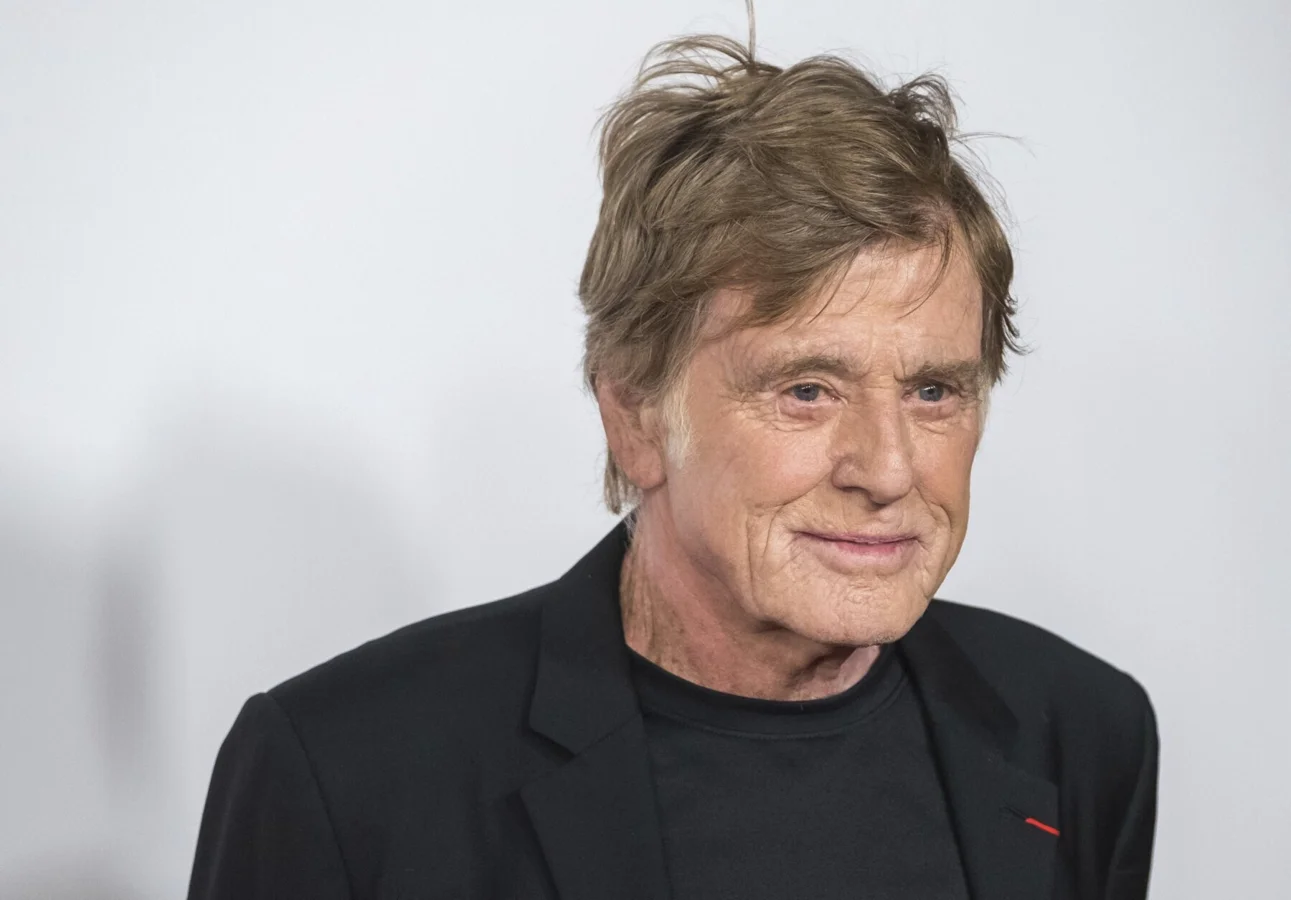
Despite the film’s critical acclaim and its four Academy Awards wins, including for Best Adapted Screenplay and Jason Robards’ portrayal of editor Ben Bradlee, Redford’s performance was largely overlooked by awards voters. The film received an Oscar nomination for Jane Alexander, but Redford himself, who only earned one acting nomination throughout his extensive career for The Sting, did not receive acting accolades for this specific role. Critics and audiences often praised the film’s production design and atmosphere, with less focus on Redford’s nuanced contribution as a lead actor.
Robert Redford’s Nuanced Portrayal of Bob Woodward Shines Amid Political Turmoil
Frequently categorized as a movie star rather than a dramatic actor alongside contemporaries like Al Pacino, Robert De Niro, or Dustin Hoffman, Redford’s portrayal of Bob Woodward defies such narrow classifications. His performance captures the complexity of Woodward as a young, driven journalist at The Washington Post, who transforms a seemingly minor hotel burglary into an investigation shaking the foundations of government.
Redford brings to life the intensity of Woodward’s dual experience: a charismatic figure admired for his journalistic skill, yet burdened by the heavy responsibility of exposing corruption. As he delves deeper with Carl Bernstein into the conspiracy behind Watergate, Woodward’s optimism fades into apprehension about how far-reaching the government’s deceit is. The film’s most haunting scenes involve clandestine meetings with the informant known as Deep Throat, played by Hal Holbrook, which heighten the suspense and reveal a pervasive fear of reprisal from powerful forces.
A Signature Scene Showcases Redford’s Subtle Mastery of On-Screen Tension
One of Redford’s most acclaimed moments in All the President’s Men is a nearly uninterrupted six-minute phone conversation in which Woodward juggles calls, including one to Kenneth Dahlberg, a lead in the investigation, and another to McGregor, associated with the re-election committee of the president. Director Alan J. Pakula’s fixed camera on Redford’s face contrasts with the chaotic newsroom environment, emphasizing the reporter’s focused determination.
This scene is celebrated as one of cinema’s finest examples of “phone acting,” where Redford conveys the weight of deciphering truth amid noise and deception. Tension builds as his expressions shift subtly, culminating in a moment where he mistakenly calls Dahlberg by the wrong name. Rather than diminishing the scene, this slip adds to its authenticity, capturing Woodward’s real perseverance under pressure. His subsequent call to Bernstein, radiating the thrill of breaking news, encapsulates the power of journalism to hold those in authority accountable.
Redford’s Enduring Legacy as Both a Film Star and a Serious Actor
All the President’s Men stands as a testament not only to the significance of the Watergate story but also to Robert Redford’s often underappreciated dramatic abilities. His subtle yet potent portrayal of Bob Woodward anchors one of the most iconic political dramas of the 1970s, proving that his talents extended well beyond his status as a Hollywood sex symbol.
Redford’s career, which also includes his influential role as a curator of independent cinema through the Sundance Film Festival, leaves a legacy of artistic depth paired with cultural impact. His passing leaves a void but also a reminder of how a movie star can embody the gravitas necessary to illuminate the truths behind national scandals. His work continues to inspire both audience and industry, setting a standard for committed storytelling on screen.
Exploring the Ensemble Cast of ‘All the President’s Men’
The film’s strength also lies in its exceptional supporting cast. Dustin Hoffman brings to life Carl Bernstein, Woodward’s investigative partner, with equal intensity. Alongside them, Jack Warden plays Harry Rosenfeld, Martin Balsam portrays Howard Simons, and Jason Robards delivers an award-winning turn as Ben Bradlee, the Washington Post’s executive editor. This ensemble effectively reflects the journalistic dedication that uncovered one of the largest political scandals in American history.
